
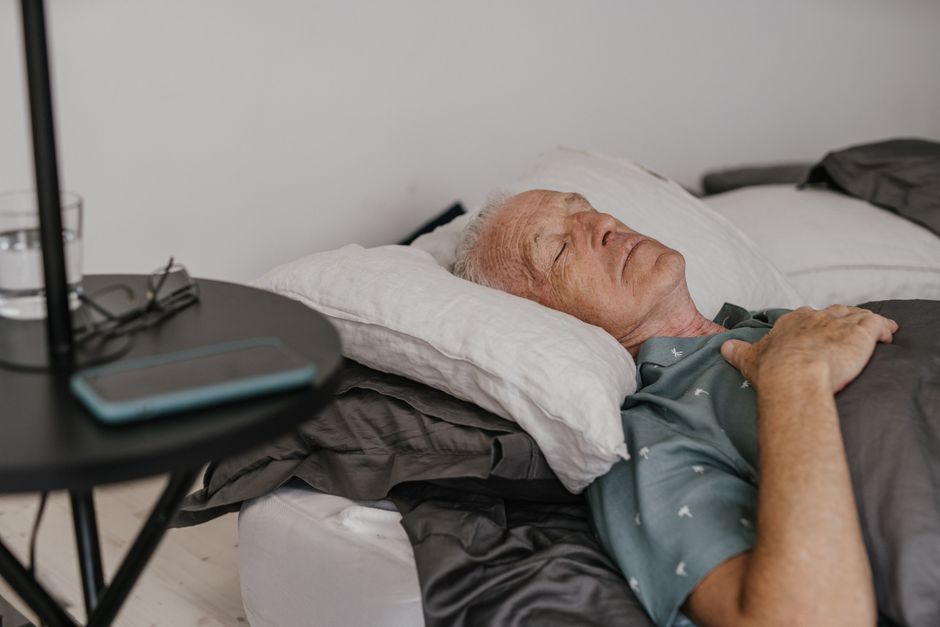
Most people wake up in a position they did not choose. You fall asleep on your back and find yourself on your stomach at 3 AM. This matters because how you sleep affects your spine, your breathing, and even your face. The short answer is that sleeping on your side is the best position for most adults. Back sleeping is second best for many people but not everyone. Stomach sleeping is the position most experts recommend avoiding. But the real answer depends on your specific health conditions, your mattress, and your pillow setup. There is no single perfect position for every person.
What Does Research Say About Sleeping Positions and Health?
Research on sleep positions is not as deep as you might think. Most studies rely on people reporting their own sleep habits. But some findings are consistent enough to trust.
One 2017 study in the journal Sleep Science looked at how sleep position affects sleep quality. The researchers found that side sleepers reported better quality sleep than stomach sleepers. Back sleepers fell somewhere in between. The study was small but the pattern matches what many sleep specialists see in practice.
The American Academy of Sleep Medicine notes that side sleeping is the position most often recommended for people with sleep apnea. The reason is simple. When you sleep on your back, gravity pulls your tongue and soft palate backward. This narrows your airway. Side sleeping keeps the airway more open.
There is also research on spinal alignment. A 2019 review in the Journal of Physical Therapy Science found that side sleeping with a pillow between the knees helped maintain neutral spine position. Back sleeping with a pillow under the knees did the same. Stomach sleeping consistently showed the worst spinal alignment in these studies.
Which Way Is Better To Sleep Side Back Or Stomach for Your Spine?
Your spine has natural curves. When you sleep, you want to keep those curves as neutral as possible. That means your head, shoulders, and hips should stay in a straight line.
Side sleeping does this well if you have the right pillow height. Your pillow should fill the gap between your ear and the mattress. Too high or too low and your neck bends sideways. This can cause morning stiffness and long-term neck problems.
Back sleeping also keeps your spine fairly straight. But it can worsen snoring and sleep apnea. Some people also feel lower back pain when sleeping on their back because the curve of the lower back is not supported.
Stomach sleeping forces your neck to twist to one side for hours. This is the worst position for your cervical spine. A 2018 study in the Journal of Chiropractic Medicine found that stomach sleepers had significantly more neck pain than side or back sleepers. The twisting puts pressure on the facet joints in your neck. Over time this can lead to chronic issues.
What About Sleep Apnea and Breathing?
Sleep apnea affects about 30 million Americans according to the American Academy of Sleep Medicine. For these people, sleep position is not just about comfort. It affects whether they stop breathing at night.
Back sleeping makes sleep apnea worse. When you lie on your back, your airway collapses more easily. The apnea events become more frequent and more severe. This is well established in the medical literature.
Side sleeping is the recommended position for sleep apnea patients. Some studies show that sleeping on the left side specifically may be even better. The theory is that left side sleeping keeps the stomach below the esophagus, reducing acid reflux that can worsen breathing issues. But the evidence for left versus right side is not strong enough to call it a rule.
Stomach sleeping can help some people with sleep apnea because the airway stays more open than on the back. But the neck twisting required often cancels out any breathing benefit. Most sleep specialists still recommend side sleeping over stomach sleeping for apnea patients.





How Does Sleep Position Affect Acid Reflux and Digestion?
Acid reflux gets worse when you lie flat. Gravity no longer keeps stomach acid where it belongs. This is why reflux symptoms often get worse at night.
Sleeping on your left side is the best position for acid reflux. A study in the American Journal of Gastroenterology found that left side sleeping significantly reduced acid exposure in the esophagus compared to right side sleeping or back sleeping. The reason has to do with the angle of the connection between the esophagus and the stomach.
Back sleeping allows acid to flow back into the esophagus more easily. Stomach sleeping puts pressure on the abdomen, which can push acid upward. If you have GERD, left side sleeping is your best option.
Some people report that right side sleeping makes their reflux worse. The evidence supports this. The stomach sits slightly higher than the esophagus when you lie on your right side. This makes it easier for acid to escape.
What Are the Cosmetic Effects of Sleep Position?
This is a topic that gets a lot of attention on social media but the evidence is thin. Some people claim that sleeping on your back prevents wrinkles because your face is not pressed into a pillow. The logic makes sense. Repeated pressure on the same areas of your face night after night could contribute to sleep lines that eventually become permanent wrinkles.
Side sleeping presses one side of your face into the pillow. Over years, this could deepen nasolabial folds and cause cheek wrinkles on that side. Stomach sleeping does the same but with more pressure because your full head weight rests on the pillow.
There is no strong clinical study proving that sleep position causes or prevents wrinkles. Dermatologists acknowledge the theory but point out that genetics, sun exposure, and smoking matter far more. If you are concerned about wrinkles, back sleeping is probably the safest bet. But do not expect it to reverse aging.
How to Choose the Right Pillow and Mattress for Your Position
Your sleep position determines what kind of pillow and mattress you need. Using the wrong setup can make any position worse.
Side sleepers need a firm, thick pillow. The pillow should fill the space between your ear and the mattress. A good test is to lie on your side and have someone check if your neck is straight. If your head tilts down toward the mattress, the pillow is too thin. If your head tilts up, the pillow is too thick. Side sleepers also benefit from a pillow between the knees to keep the hips aligned.
Back sleepers need a thinner pillow. The goal is to support the natural curve of the neck without pushing the head too far forward. A medium-firm mattress works best for back sleepers. Too soft and your hips sink, creating a curve in your lower back.
Stomach sleepers need the thinnest pillow possible. Some stomach sleepers do best with no pillow at all. The idea is to keep the neck as straight as possible. A firm mattress also helps stomach sleepers because it prevents the hips from sinking too deep.
| Sleep Position | Best Pillow | Best Mattress | Key Concern |
|---|---|---|---|
| Side | Firm, thick | Medium to firm | Neck alignment |
| Back | Thin, medium support | Medium-firm | Snoring, apnea |
| Stomach | Very thin or none | Firm | Neck twisting |
Common Misconceptions About Sleep Positions
One common myth is that you must sleep on your left side for heart health. This comes from the idea that sleeping on the left side improves circulation. The reality is that there is no strong evidence that left side sleeping benefits heart function in healthy people. For pregnant women, left side sleeping is recommended because it improves blood flow to the fetus. But for the average person, either side is fine.
Another myth is that back sleeping causes sleep paralysis. Sleep paralysis can happen in any position. Some small studies suggest it may be slightly more common on the back but the difference is not large enough to change recommendations for most people.
Some people believe that stomach sleeping is bad for everyone. This is not entirely true. Some people with certain types of back pain actually feel better on their stomach. The key is whether the position causes pain for you personally. General guidelines are helpful but your own experience matters more.
There is also a widespread claim that sleeping on your back prevents dementia. This comes from research on the glymphatic system, which clears waste from the brain during sleep. Some animal studies suggest that side sleeping may help this process more than back or stomach sleeping. But human studies are limited. The American Heart Association has not endorsed any sleep position for dementia prevention. This is an area where the science is still developing.
Frequently Asked Questions
Is it bad to sleep on my stomach every night?
Stomach sleeping is the least recommended position because it twists your neck and flattens the natural curve of your spine. If you have no pain from it you may be fine but most people develop neck or back issues over time.
Can I train myself to sleep on my side if I have always been a stomach sleeper?
Yes you can retrain your sleep position over several weeks. Use a body pillow to block yourself from rolling onto your stomach and choose a firm pillow that supports side sleeping.
Does sleeping on your back cause snoring?
Back sleeping makes snoring worse for most people because gravity pulls the soft tissues in your throat backward. Side sleeping often reduces or stops snoring entirely.
What is the best sleep position for lower back pain?
Side sleeping with a pillow between your knees is often best for lower back pain. Back sleeping with a pillow under your knees can also help by supporting the natural curve of your spine.
