
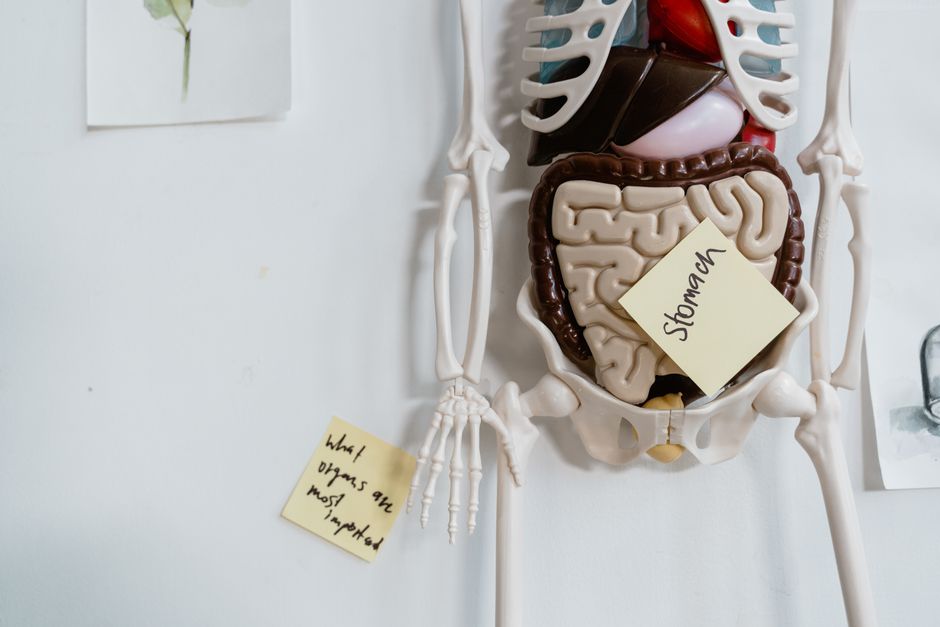
Back problems can absolutely cause stomach pain. The nerves that supply the spine, abdomen, and digestive organs are closely connected. When those nerves are irritated or compressed by a spinal issue, the brain can interpret the signals as pain in the belly. This is called referred pain, and it is a well-documented medical phenomenon.
How Can a Back Problem Cause Stomach Pain?
Your spinal cord is the main highway for nerve signals traveling between your brain and the rest of your body. Nerves exit the spinal cord between the vertebrae and branch out to organs, muscles, and skin. When a disc herniates, bone spurs form, or the spine narrows, these nerves can become compressed or irritated.
This irritation does not always cause pain exactly where the problem is. The brain receives the distress signal and may “map” it to a different location. This is why a problem in the lower thoracic spine, which is the middle-to-lower part of your back, can feel like stomach or abdominal pain.
Some spinal conditions can also directly affect the nerves that control the digestive tract. This can slow down digestion, cause bloating, or create cramping. The connection is real, but it is also easy to overestimate. Not every stomach ache traces back to the spine.
Which Back Problems Are Most Likely to Cause Abdominal Pain?
Not all back issues create stomach symptoms. The location and type of the spinal problem matter a great deal. The most common culprits involve the thoracic spine, which sits between your neck and lower back, and the upper lumbar spine.
- Thoracic disc herniation: This is less common than lumbar herniations, but it is more likely to cause referred abdominal pain because the nerves here supply the trunk and abdomen.
- Spinal stenosis: Narrowing of the spinal canal can compress nerve roots. When this happens in the thoracic region, it can produce pain that wraps around the ribs and into the belly.
- Nerve root compression: Any condition that pinches a nerve root, including bone spurs from arthritis, can trigger referred pain.
- Vertebral fractures: A compression fracture in the thoracic spine can irritate nearby nerves and cause abdominal discomfort, often alongside sharp back pain.
These conditions share a common thread. They all involve irritation of nerves that serve the abdominal wall or internal organs. The pain is real, but the source is in the spine, not the abdomen.
What Does Referred Abdominal Pain Feel Like?
Referred pain from the back does not always feel like typical stomach pain. It often has distinct features that help doctors tell it apart from digestive issues.
People often describe it as a dull ache, a deep pressure, or a burning sensation rather than a sharp cramp. It may be constant rather than coming in waves. It often stays in one spot rather than moving around the abdomen. And critically, it tends not to change with eating, bowel movements, or other digestive activity.
Movement often changes the pain. Bending, twisting, coughing, or sitting for long periods may make it worse. Lying down or changing position might ease it. This is a key clue. Stomach pain that worsens with specific spinal movements points toward a musculoskeletal source.
There is also a condition called viscerosomatic convergence. This happens when nerve signals from an organ and signals from the spine meet at the same place in the spinal cord. The brain gets confused about which signal is which. This can make a back problem feel like an organ problem and vice versa. It works in both directions.





How Do Doctors Tell Back Pain Apart from Stomach Problems?
Distinguishing a spinal cause of abdominal pain from a digestive cause requires a careful clinical evaluation. Doctors look for red flags that point toward the digestive system or internal organs.
Pain that is accompanied by nausea, vomiting, fever, blood in the stool, or unintentional weight loss is far more likely to be a true abdominal problem. Jaundice, which is yellowing of the skin or eyes, also points to the liver or gallbladder. These symptoms should never be attributed to the spine without a full workup.
On the other hand, pain that is reproducible when a doctor presses on specific spinal vertebrae, or pain that changes with certain movements, points toward the spine. If pressing on the spine reproduces the abdominal pain, that is a strong clue.
Imaging studies help confirm the diagnosis. An MRI of the thoracic or lumbar spine can reveal disc herniations, stenosis, or fractures. But imaging alone is not enough. Many people have abnormal spinal findings on MRI without any symptoms at all. The clinical picture matters more than the scan.
When Is Stomach Pain a True Emergency?
Some abdominal pain requires immediate medical attention. Do not assume back problems are the cause when these symptoms are present.
Seek emergency care if stomach pain is severe and sudden, if the abdomen is hard or tender to the touch, or if you are vomiting blood. Pain accompanied by shortness of breath, chest pain, or dizziness also needs urgent evaluation. In women of childbearing age, sudden severe abdominal pain can signal an ectopic pregnancy and requires immediate care.
Sudden loss of bladder or bowel control, numbness in the groin area, or weakness in both legs alongside back pain is a medical emergency. This can indicate cauda equina syndrome, a condition where spinal nerves are severely compressed. Permanent damage can occur without prompt surgery.
These situations are not common, but they are serious. When in doubt, seek medical care. It is always safer to have a doctor rule out a dangerous condition than to assume the pain is muscular or spinal.
What Treatments Help When the Spine Is the Cause?
When a doctor confirms that a back problem is causing abdominal pain, treatment focuses on the spine, not the stomach. The approach depends on the specific spinal condition.
Physical therapy is a common first step. Strengthening the muscles that support the spine and improving posture can reduce nerve irritation. Anti-inflammatory medications, such as ibuprofen or naproxen, can reduce swelling around compressed nerves. These are available over the counter, but you should talk to a doctor before taking them regularly, especially if you have kidney issues, stomach ulcers, or take blood thinners.
Some clinicians recommend nerve pain medications, such as gabapentin or pregabalin. These are prescription drugs that calm overactive nerve signals. They do not treat the underlying spinal problem, but they can reduce the referred pain.
Epidural steroid injections are another option. A doctor injects a corticosteroid near the affected nerve root to reduce inflammation. This is a common procedure, but the evidence for long-term benefit is mixed. Some people get significant relief that lasts for months. Others get no benefit at all.
Surgery is reserved for severe cases. If a herniated disc is compressing a nerve and causing progressive weakness, loss of bowel or bladder function, or pain that does not respond to conservative treatment, surgery may be appropriate. This decision is made on an individual basis with a spine surgeon.
Can Stomach Problems Cause Back Pain?
The reverse is also true. Digestive issues can cause back pain. This is important because it means the relationship between the back and the abdomen goes both ways.
Pancreatitis, an inflammation of the pancreas, often causes pain that radiates to the upper back. Gallbladder disease can cause pain in the right shoulder blade area. Kidney stones typically cause pain in the flank, which is the side of the back just below the ribs. Peptic ulcers can cause pain that is felt in the mid-back.
This overlap is why doctors take a full history and do a physical exam rather than jumping to a diagnosis. The same nerve pathways that allow back problems to cause stomach pain also allow abdominal problems to cause back pain. Sorting out which came first requires careful evaluation.
When Should You See a Doctor?
If you have back pain and stomach pain together, a medical evaluation is reasonable. The symptoms may be related, or they may be two separate problems happening at the same time.
See a doctor promptly if the pain is severe, if it interferes with daily activities, or if it does not improve within a few weeks. Also seek care if you have a history of cancer, unexplained weight loss, or a weakened immune system. These factors increase the risk that something more serious is going on.
If you have both back pain and digestive symptoms like nausea, vomiting, or changes in bowel habits, mention all of it to your doctor. The connection between the two may be the key to the diagnosis.
Frequently Asked Questions
Can a pinched nerve in the back cause stomach pain?
Yes. A pinched nerve in the thoracic or upper lumbar spine can cause referred pain that feels like it comes from the stomach. The pain is real, but the source is the irritated nerve in the spine.
What does spinal-related stomach pain feel like?
It typically feels like a dull, constant ache rather than a sharp cramp. It often does not change with eating or bowel movements, but it may worsen with certain spinal movements like bending or twisting.
How long does referred pain from the back last?
It lasts as long as the underlying nerve irritation persists. Once the spinal condition is treated effectively, the referred abdominal pain typically resolves.
Should I get an MRI of my back if I have stomach pain?
Only if a doctor recommends it after a clinical evaluation. Imaging is not a first step for abdominal pain. A doctor will first rule out digestive and organ causes before investigating the spine.
