
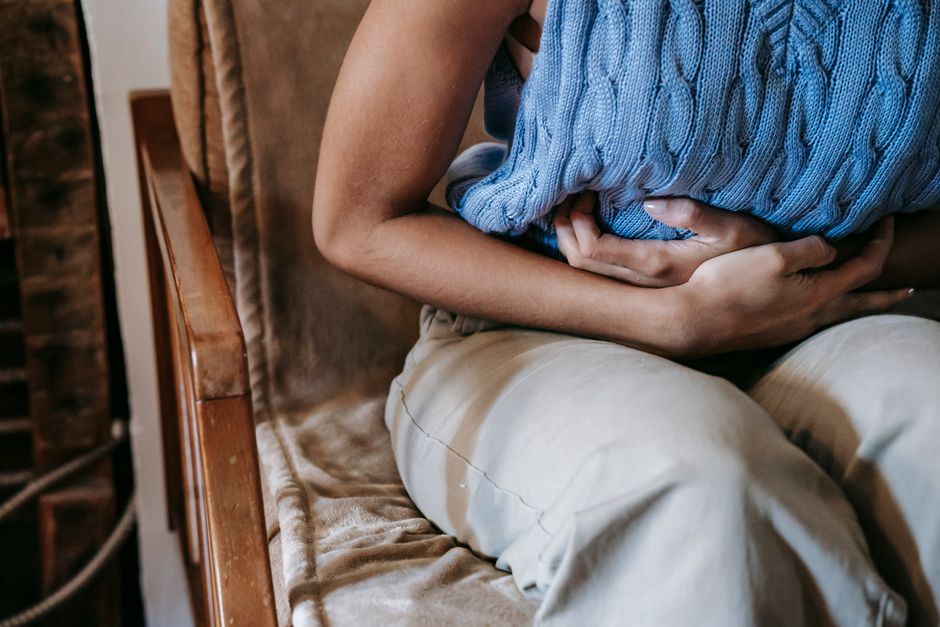
Yes, for most people, sleeping on your stomach is bad for your back. This position flattens the natural curve of your spine and forces your neck to twist for hours. Research in The Spine Journal has linked stomach sleeping to increased lower back pain and neck strain. While no sleep position is perfect for everyone, stomach sleeping is widely considered the least supportive option for spinal health. The problem is mechanical — your spine is not designed to stay neutral when you are face down.
What Happens to Your Spine When You Sleep on Your Stomach?
Your spine has three natural curves. They form an S shape when viewed from the side. Sleeping on your stomach compresses or reverses these curves.
When you lie face down, your lower back arches more than it should. This puts pressure on the facet joints in your spine. These small joints connect your vertebrae and allow bending. Extended pressure on them can cause inflammation and stiffness by morning.
Your neck takes the worst hit. To breathe, you must turn your head to one side. This rotates your cervical spine for hours. The American Chiropractic Association states that this twist strains the muscles, ligaments, and discs in your neck. Over time, this can lead to chronic neck pain and even headaches.
Your shoulders also suffer. Stomach sleeping often requires one arm under the pillow or above your head. This can compress nerves in your shoulder and cause numbness or tingling in your hands and arms.
Does Sleeping on Your Stomach Cause Lower Back Pain?
The evidence says yes for many people. A 2017 study in BMJ Open surveyed over 1,200 adults about sleep positions and back pain. Participants who slept on their stomachs reported significantly higher rates of lower back pain compared to side sleepers.
The mechanism is straightforward. Your mattress pushes against your abdomen when you lie face down. This pushes your pelvis forward and increases the arch in your lower back. Over hours, this position stresses the lumbar discs and surrounding muscles.
Some people report that stomach sleeping actually reduces their back pain. This is uncommon but not impossible. These individuals often have a specific body type — such as a large chest or a swayback posture — where the position feels more natural. But for the general population, stomach sleeping is a risk factor, not a remedy.
What Does Research on Sleep Positions and Spinal Health Show?
Sleep position research is limited compared to other areas of spine health. Most studies rely on self-reported data rather than lab measurements. But the findings are consistent enough to draw conclusions.
A 2020 review in Nature and Science of Sleep examined multiple studies on sleep posture and pain. The review found that back sleepers had the lowest rates of morning pain and stiffness. Side sleepers had moderate rates. Stomach sleepers had the highest rates of both pain and poor sleep quality.
Another study from Journal of Manipulative and Physiological Therapeutics used pressure mapping to measure spinal alignment in different positions. Stomach sleeping produced the most deviation from neutral spine alignment. The study noted that even when participants used a thin pillow or no pillow, their cervical spine remained rotated.
No major health organization recommends stomach sleeping. The American Academy of Family Physicians suggests side or back sleeping for spine health. The only exception is for infants, where back sleeping is strongly recommended to reduce SIDS risk — a different issue entirely.





How Do Other Sleep Positions Compare for Back Health?
Here is a straightforward comparison of the three main sleep positions and their effects on your spine.
| Sleep Position | Spine Alignment | Common Issues | Best For |
|---|---|---|---|
| Back sleeping | Neutral — maintains natural curves | Snoring, sleep apnea | Most people with back pain |
| Side sleeping | Good with proper pillow height | Shoulder pressure, jaw strain | People with acid reflux or snoring |
| Stomach sleeping | Poor — flattens lumbar curve, rotates neck | Lower back pain, neck pain, nerve compression | Very few people |
Back sleeping allows your head, neck, and spine to rest in a neutral line. A pillow under your knees can reduce lower back strain further. Side sleeping with a pillow between your knees keeps your hips aligned. Both are far better options than stomach sleeping for spinal health.
Can You Make Stomach Sleeping Safer for Your Back?
If you cannot switch positions, there are ways to reduce the damage. These are compromises, not fixes.
Use a very thin pillow or no pillow at all. A thick pillow forces your neck into a sharper angle. The goal is to keep your cervical spine as close to neutral as possible. Some people find a feather pillow works because it compresses easily.
Place a flat pillow under your pelvis and lower abdomen. This reduces the arch in your lower back. Even a small lift can take pressure off your lumbar facet joints. A folded blanket works in a pinch.
Stretch in the morning. After a night in a compromised position, your muscles need gentle movement. Neck rotations, shoulder rolls, and cat-cow stretches can help release tension built up overnight.
- Keep your arms down by your sides rather than above your head or under the pillow
- Alternate which side your face turns to each night to balance neck strain
- Consider a firm mattress — it provides more support for your midsection than a soft one
- Try a body pillow along your side to prevent rolling onto your stomach during the night
None of these strategies make stomach sleeping good for your back. They only make it less bad. The best long-term solution is retraining yourself to sleep on your side or back.
How to Stop Sleeping on Your Stomach
Changing a sleep position you have used for years is difficult. Your body has muscle memory. But it is possible with consistent effort over a few weeks.
Start on your side. Lie on your side with a pillow between your knees. Place another pillow in front of your chest to keep you from rolling forward onto your stomach. This creates a physical barrier that reminds your body to stay on its side.
Use the tennis ball trick. Sew a tennis ball into the front pocket of a snug t-shirt. When you roll onto your stomach during the night, the pressure wakes you up. After a week or two, your body learns to avoid the position. This method is widely recommended by physical therapists.
Adjust your pillow setup. Side sleepers need a thicker pillow to fill the space between their ear and shoulder. A proper pillow makes side sleeping more comfortable and reduces the urge to switch positions.
Be patient. Research on habit change suggests it takes 18 to 66 days to form a new habit. Sleep position changes fall on the longer end of that range because you are not conscious while doing it. Expect some nights of poor sleep during the transition.
Common Misconceptions About Stomach Sleeping
Some people believe stomach sleeping helps with snoring or sleep apnea. This is partly true. Stomach sleeping can reduce snoring because your airway is less likely to collapse compared to back sleeping. But the trade-off is increased spinal strain. The American Academy of Sleep Medicine recommends side sleeping as a better option for snoring and mild sleep apnea without the spine damage.
Another myth is that stomach sleeping is fine if you use the right pillow. No pillow can fix the fundamental problem of your lower back arching all night. A pillow can help your neck, but it cannot support your lumbar spine when you are face down.
Some people claim stomach sleeping reduces acid reflux. This is not supported by evidence. Side sleeping on your left side is actually the best position for reflux because it keeps the stomach below the esophagus. Stomach sleeping can actually worsen reflux by compressing your abdomen.
Frequently Asked Questions
Is sleeping on your stomach bad for your back every night?
Yes, doing it every night increases the risk of chronic lower back and neck pain because your spine stays in an unnatural position for hours.
Can sleeping on your stomach cause permanent damage?
Permanent structural damage is rare, but long-term stomach sleeping can lead to chronic pain, disc problems, and nerve compression that may require treatment.
What is the best sleep position for lower back pain?
Back sleeping with a pillow under your knees is best for most people, followed by side sleeping with a pillow between your knees.
How long does it take to stop sleeping on your stomach?
Most people can retrain themselves within two to four weeks using physical barriers like a body pillow or the tennis ball method.
