
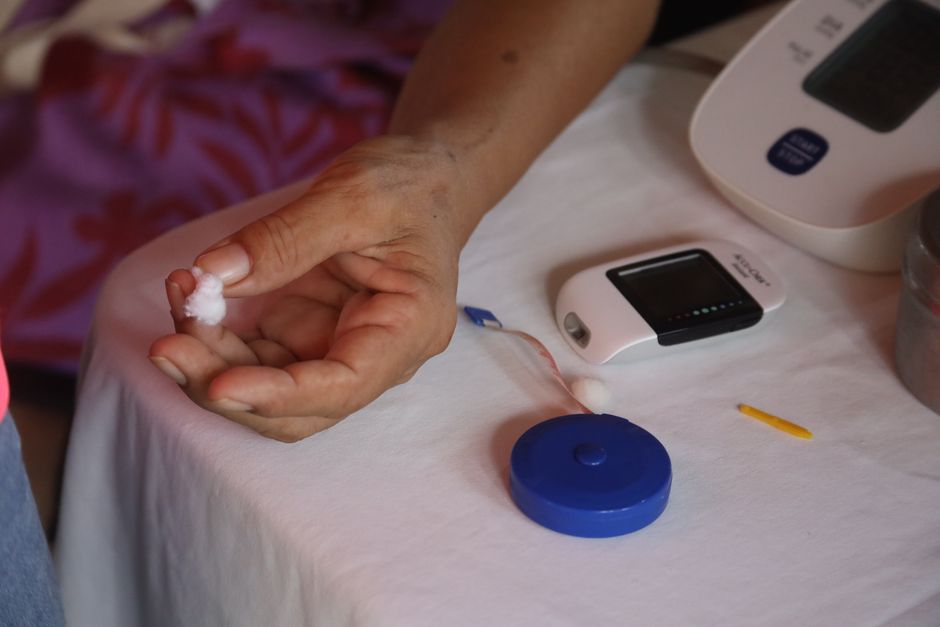
At 10 weeks pregnant, the core tests you need are the first-trimester blood work and urine tests that check your blood type, Rh factor, hemoglobin levels, and screen for infections. You will also likely have an ultrasound to confirm your due date and check for major structural development. Most providers schedule the first prenatal visit between 8 and 12 weeks, and this is when the standard panel of tests happens.
What Blood Tests Happen at the 10-Week Mark?
Your first prenatal blood draw covers several basic health checks. The panel is standard across most US practices. It is not optional in most clinics, because the results guide the rest of your pregnancy care.
The blood tests check for:
- Blood type and Rh factor — This determines if you are Rh-negative or Rh-positive. If you are Rh-negative and the baby is Rh-positive, you need a medication called Rh immunoglobulin later in pregnancy.
- Hemoglobin and hematocrit — These measure your red blood cells and screen for anemia. Anemia is common in pregnancy and treatable with iron if needed.
- Infections — Most practices test for syphilis, hepatitis B, and HIV. These are routine and done with your consent.
- Rubella immunity — This checks whether you are immune to German measles. If you are not immune, you cannot get the vaccine during pregnancy, but your provider will note it for after delivery.
- Varicella immunity — Similar to rubella, this checks for chickenpox immunity.
Some providers also check thyroid function if you have symptoms or a family history of thyroid disease. This is not universal, so ask if it matters for you.
Which Test Need To Do In 10 Week Pregnancy Specifically?
The most specific test at this stage is the first-trimester screening, sometimes called the combined screening. It happens between 11 and 13 weeks, so at 10 weeks you are just before the window. Many practices order it at the 10-week visit so you can schedule the blood draw and ultrasound at the right time.
This screening includes two parts:
- Nuchal translucency ultrasound — This measures the fluid at the back of the baby’s neck. It helps assess the risk of Down syndrome and some heart defects.
- Maternal blood test — This measures two proteins: PAPP-A and free beta-hCG. Abnormal levels can indicate higher risk for chromosomal conditions.
This screening is not diagnostic. It tells you if your risk is higher or lower than average. If results come back concerning, you will be offered a diagnostic test like chorionic villus sampling or amniocentesis.
Another option at this stage is cell-free DNA testing, often called NIPT. This blood test screens for Down syndrome, trisomy 18, and trisomy 13. It can be done as early as 10 weeks. Some providers offer it to everyone; others reserve it for higher-risk pregnancies. It is more accurate than the combined screening for these specific conditions, but it does not replace the nuchal translucency ultrasound for detecting structural problems.
What Does the 10-Week Ultrasound Show?
If you have an ultrasound at 10 weeks, the baby is about the size of a strawberry. The ultrasound confirms the heartbeat, which is usually visible and strong at this stage. It also confirms the number of babies — twins or triplets are clearly visible.
The dating ultrasound is important because it establishes your due date. Many women have irregular cycles or are unsure of their last menstrual period. The ultrasound measurement of the crown-rump length is the most accurate way to date a pregnancy in the first trimester.
At 10 weeks, the ultrasound cannot yet show detailed anatomy. Organs are forming, but they are too small to evaluate. The detailed anatomy scan happens around 18 to 22 weeks. Do not expect the 10-week ultrasound to detect structural abnormalities beyond basic heartbeat and size.





Urine Tests at the First Prenatal Visit
A urine sample is collected at nearly every prenatal visit, starting with the first one. At the 10-week appointment, the urine test checks for:
- Protein — High protein can indicate kidney issues or preeclampsia later in pregnancy, but at 10 weeks it is usually just a baseline.
- Sugar — Glucose in the urine can suggest diabetes, though it is not a diagnostic test. It prompts further testing if abnormal.
- Infection — A urine culture or dipstick test checks for bacteria. Urinary tract infections are more common in pregnancy and can be silent, meaning no symptoms.
Treating a urinary tract infection during pregnancy is important. Untreated infections can increase the risk of preterm labor. If your urine test shows bacteria, your provider will prescribe antibiotics that are safe in pregnancy.
Genetic Carrier Screening: Should You Do It at 10 Weeks?
Carrier screening checks whether you carry genes for conditions like cystic fibrosis, spinal muscular atrophy, or sickle cell disease. It is a blood test, and it can be done at any point in pregnancy, including at 10 weeks.
This screening is different from the first-trimester screening. Carrier screening looks at your genes, not the baby’s. It tells you if you are a carrier for certain inherited conditions. If both parents are carriers for the same condition, the baby has a higher risk of being affected.
Many practices offer carrier screening at the first visit. It is your choice whether to do it. Some people prefer to know early so they have time to consider options. Others decline because they would not change their pregnancy management regardless of results. There is no right answer, but the information is available if you want it.
Which Tests Can Wait Until Later?
Several common pregnancy tests do not happen at 10 weeks. Knowing what is not done yet can reduce confusion.
The glucose tolerance test for gestational diabetes happens around 24 to 28 weeks. The anatomy scan happens around 18 to 22 weeks. The group B strep swab happens around 36 to 37 weeks. These are all important, but they are not part of the first-trimester visit.
Some providers offer optional testing for thyroid antibodies or vitamin D levels. These are not standard for everyone. If you have risk factors, your provider may order them. If you do not have risk factors, there is no evidence that routine testing improves outcomes.
What Should You Ask Your Provider at the 10-Week Visit?
Bring a list of questions. The first prenatal visit is often rushed because there is a lot of paperwork and history-taking. Prioritize what matters most to you.
Ask about:
- Which screening tests are recommended for your age and risk profile
- Whether NIPT is covered by your insurance
- What your blood type and Rh status mean for your pregnancy
- Which medications and supplements are safe to continue
- What symptoms should prompt a call to the office before your next visit
Also tell your provider about any chronic conditions, previous pregnancy complications, or medications you take. This information shapes which additional tests you need.
What If You Have Not Had a Prenatal Visit Yet?
If you are 10 weeks and have not seen a provider, schedule an appointment now. Care in the first trimester matters. Some tests, like the nuchal translucency ultrasound, have a narrow window between 11 and 13 weeks. Missing that window means you lose the option for combined screening and may be offered NIPT instead.
Most insurance plans cover prenatal care, including the first visit and routine labs. If you do not have insurance, many states offer programs for pregnant people. Do not delay care because of cost concerns. Community health centers and Planned Parenthood locations offer sliding-scale prenatal services.
What Do the Results Mean?
Normal results are reassuring. They give you a baseline for the rest of your pregnancy. Abnormal results do not automatically mean something is wrong. They mean further testing is needed.
For example, a low hemoglobin level means you are anemic. Your provider will likely recommend iron supplementation and recheck your blood in a few weeks. An abnormal first-trimester screening result means you will be offered a diagnostic test. Many women with abnormal screening results go on to have healthy babies.
The key is to ask your provider to explain every result in plain language. Do not search for meaning online. Your provider knows your full history and can interpret results in context.
Frequently Asked Questions
Is the 10-week ultrasound necessary?
Yes, if you have not had one yet. It confirms the heartbeat, dates the pregnancy accurately, and establishes a baseline for future growth measurements.
Can I do NIPT at 10 weeks?
Yes, cell-free DNA testing can be done as early as 10 weeks. It screens for Down syndrome and other chromosomal conditions with high accuracy.
Do I need to fast before my 10-week blood tests?
No, the standard first-trimester blood panel does not require fasting. Your provider will tell you if any specific test you are having requires it.
What happens if my first-trimester screening shows high risk?
You will be offered a diagnostic test like chorionic villus sampling or amniocentesis to get a definitive answer. A high-risk screening result is not a diagnosis.
