
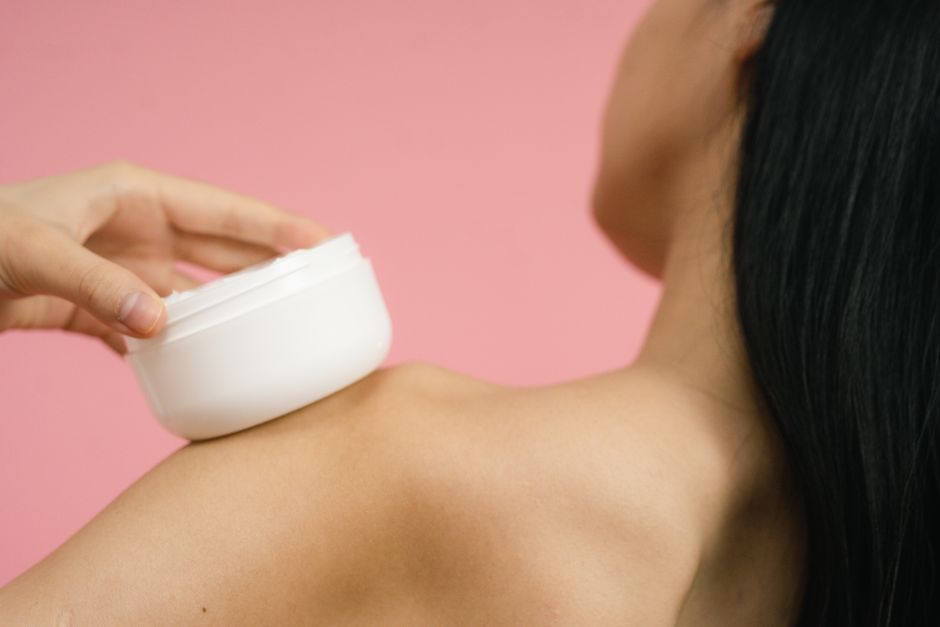
The best skin care product is sunscreen. No single serum, cream, or device does more to protect your skin’s long-term health and appearance than daily sun protection. Research consistently shows that ultraviolet (UV) exposure causes most visible skin aging and is a leading cause of skin cancer. If you only use one product, make it a broad-spectrum sunscreen with SPF 30 or higher, applied every morning.
Why Sunscreen Beats Every Other Product
Your skin ages in two ways. Intrinsic aging happens naturally over time. Extrinsic aging comes from outside factors, and UV radiation is the dominant one.
UV rays break down collagen and elastin, the proteins that keep skin firm and springy. They also cause DNA damage in skin cells. Over years, this damage accumulates as wrinkles, dark spots, and a leathery texture. Sunscreen blocks this damage before it starts.
No anti-aging cream can reverse what UV damage has already done. The most expensive retinoid or vitamin C serum works on a foundation that sunscreen protects in the first place. Think of sunscreen as the foundation and everything else as optional upgrades.
What to Look for in a Sunscreen
Not all sunscreens are equal. You want a product labeled broad-spectrum, meaning it blocks both UVA and UVB rays. UVB rays cause sunburn. UVA rays penetrate deeper and drive premature aging. You need protection from both.
SPF stands for Sun Protection Factor. It measures UVB protection only. SPF 30 blocks about 97% of UVB rays. SPF 50 blocks about 98%. The difference is small, but higher SPF matters if you apply too little, which most people do.
Dermatologists generally recommend SPF 30 or higher for daily use. There is no evidence that SPF above 50 provides meaningfully better protection, and no sunscreen blocks 100% of UV rays.
Two types of filters exist. Chemical filters like avobenzone and octinoxate absorb UV rays and convert them to heat. Mineral filters like zinc oxide and titanium dioxide sit on the skin and reflect or scatter UV rays. Both work well when applied correctly. The best sunscreen is the one you will actually use every day.
How Most People Get Sunscreen Wrong
The most common mistake is not applying enough. Most people apply about half the recommended amount. For the face and neck, that means roughly a nickel-sized dollop or the two-finger method: squeeze sunscreen along the full length of your index and middle fingers and apply that to your face and neck.
You need to apply sunscreen as the last step of your morning routine, after moisturizer and before makeup. It takes about 15 minutes for chemical sunscreens to bind to the skin. Mineral sunscreens work immediately.
Reapplication matters more than most people realize. Sunscreen wears off through sweat, oil, and incidental rubbing. For a typical indoor day, one morning application may be enough if you are not near windows for long periods. For outdoor activity, reapply every two hours. If you are swimming or sweating heavily, reapply more often.
Many people skip sunscreen on cloudy days. Up to 80% of UV rays can pass through cloud cover. You also need protection through window glass. Standard car and home windows block most UVB but allow significant UVA to pass through.



What About Moisturizers With SPF?
A moisturizer with SPF 30 can work, but only if you apply enough of it. Most people apply moisturizer more sparingly than sunscreen, which means the actual protection is lower than the label claims.
If you use a separate moisturizer and sunscreen, apply moisturizer first, let it absorb for a few minutes, then apply sunscreen. If you want to simplify your routine, a moisturizer with SPF 30 or higher is a reasonable choice for daily indoor use. For extended outdoor time, use a dedicated sunscreen.
What Is the Second Best Skin Care Product?
If sunscreen is the clear number one, the second spot belongs to a gentle cleanser. Cleansing removes dirt, oil, sweat, and pollution from the skin surface. It also prepares the skin to absorb other products.
Harsh cleansers strip the skin of its natural oils. This damages the skin barrier, which is the outermost layer that keeps moisture in and irritants out. A damaged barrier leads to dryness, redness, and sensitivity.
Look for a gentle, fragrance-free cleanser suitable for your skin type. If your skin feels tight or squeaky after washing, your cleanser is too harsh. Your skin should feel clean but comfortable.
Most people only need to cleanse once a day, typically in the evening to remove the day’s buildup. In the morning, a splash of water may be enough, especially if your skin is dry or sensitive.
What About Retinoids, Vitamin C, and Other Actives?
These products have real evidence behind them, but they are not essential for everyone.
Retinoids are vitamin A derivatives that speed up cell turnover and stimulate collagen production. They are the most studied anti-aging ingredients and have strong evidence for reducing fine lines and improving skin texture. Retinol is available over the counter. Stronger retinoids require a prescription. They can cause irritation, especially when you first start using them.
Vitamin C is an antioxidant that neutralizes free radicals caused by UV exposure and pollution. It does not reverse existing damage, but it adds another layer of protection alongside sunscreen. Some research suggests it can help brighten skin tone over time. The evidence is moderate, not overwhelming.
Niacinamide, a form of vitamin B3, supports the skin barrier and may help with redness and uneven tone. It is generally well tolerated and pairs well with other products.
These products are worth considering if you have specific skin concerns. But they are enhancements, not necessities. A routine of sunscreen, a gentle cleanser, and a basic moisturizer covers the essentials for most people.
Is Expensive Skin Care Better?
Price does not determine effectiveness. A drugstore sunscreen with SPF 50 protects your skin just as well as a luxury brand. The active ingredients are the same or similar.
What you pay for in expensive products is often the formulation, fragrance, packaging, and marketing. A well-formulated product feels nicer on the skin, which may mean you use it more consistently. That consistency matters more than the price tag.
Some research suggests that fragrance and essential oils can irritate sensitive skin. If you have sensitive skin, choose fragrance-free products regardless of price. The most important factor is that you use the product daily, not what brand it is.
How to Build a Simple Routine
You do not need ten products. A simple, consistent routine beats a complex one you abandon after two weeks.
Start with three products:
- A gentle cleanser for the evening
- A moisturizer that suits your skin type
- A broad-spectrum sunscreen with SPF 30 or higher for the morning
That is the core. If you want to add targeted treatments, introduce them one at a time. Wait at least two weeks between adding new products so you can identify any irritation. If a product causes redness, stinging, or breakouts, stop using it.
Your skin type matters. Dry skin needs richer moisturizers. Oily skin may prefer lighter gels or lotions. But everyone needs sunscreen regardless of skin type.
When to See a Dermatologist
Over-the-counter products handle most basic skin concerns. But some signs warrant a professional opinion.
See a dermatologist if you notice a new mole or a change in an existing mole. Look for the ABCDE signs: asymmetry, irregular borders, multiple colors, diameter larger than a pencil eraser, or evolution over time. Skin cancer is highly treatable when caught early.
Also seek professional help for persistent acne that does not respond to over-the-counter treatments, severe dryness or itching, or any rash that does not resolve within a few weeks. Prescription treatments are often more effective than anything available without a prescription.
A dermatologist can also help you build a routine tailored to your specific skin type and concerns. That professional guidance is worth more than any product recommendation from social media.
Frequently Asked Questions
What is the single best skin care product for anti-aging?
Sunscreen is the best anti-aging product because it prevents UV damage that causes wrinkles and dark spots. No other product can reverse damage as effectively as sunscreen prevents it.
Is SPF 30 or SPF 50 better for daily use?SPF 50 blocks slightly more UVB rays than SPF 30, but both are adequate for daily use when applied properly. Choose SPF 50 if you spend significant time outdoors or tend to apply too little.
Do I need sunscreen if my moisturizer has SPF?
It depends on how much you apply. Most people apply moisturizer too sparingly to get the labeled SPF protection, so a separate sunscreen is more reliable for real sun exposure.
Can a cheap sunscreen work as well as an expensive one?
Yes, the active ingredients are essentially the same regardless of price. The best sunscreen is the one you will apply consistently every day.
