
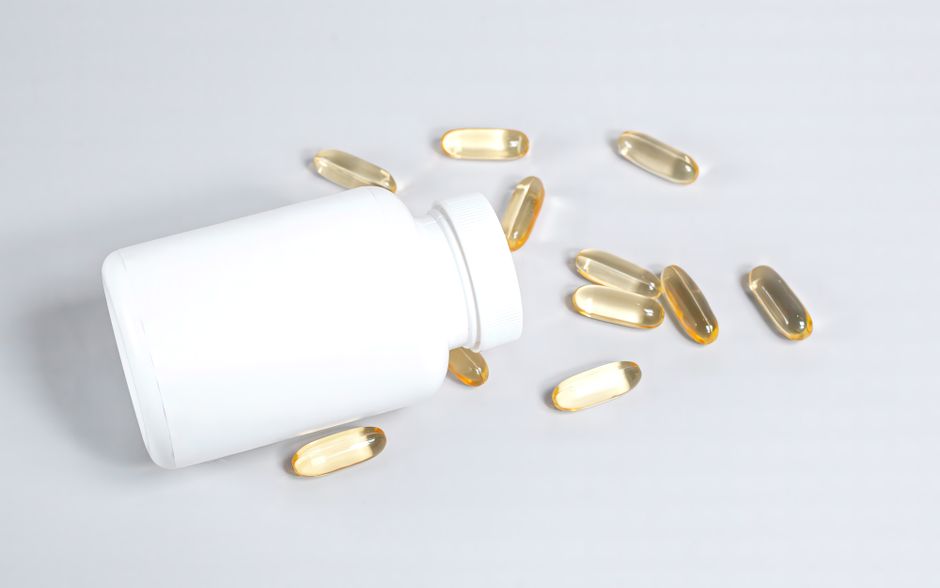
If you are taking omega-3 for high cholesterol, EPA is the fatty acid with the strongest evidence for lowering triglycerides, a type of fat in your blood. DHA also lowers triglycerides, but it can raise LDL (“bad”) cholesterol levels in some people, which makes EPA the better choice when cholesterol numbers are the main concern. Both are essential, but for the specific goal of improving a cholesterol panel, the research points to EPA as the more effective and safer option.
What Do EPA and DHA Actually Do in Your Body?
EPA and DHA are long-chain omega-3 fatty acids found in fatty fish like salmon, mackerel, and sardines. They are not the same molecule, and your body does not use them interchangeably.
EPA is primarily involved in reducing inflammation and supporting cardiovascular function. DHA is a structural component of the brain and eyes, and it is critical for neurological development and maintenance. This difference matters when you are choosing a supplement for a specific health goal like cholesterol management.
Both EPA and DHA can lower triglycerides. Triglycerides are the most common type of fat in your body, and high levels are a risk factor for heart disease. The effect is dose-dependent, meaning higher doses produce greater reductions. However, the two fatty acids have different effects on other parts of your lipid profile, and that is where the distinction becomes clinically important.
Which Omega 3 Is Best For High Cholesterol EPA or DHA?
For high cholesterol, EPA is the better choice. The reason is how each fatty acid affects LDL cholesterol.
DHA consistently raises LDL cholesterol in many people. Studies have shown that DHA increases LDL particle size and concentration, which is undesirable when you are already trying to lower your cholesterol. EPA, on the other hand, has a neutral or slightly beneficial effect on LDL. It lowers triglycerides without the unwanted LDL bump that DHA causes.
This is why prescription omega-3 products designed for cardiovascular risk often contain pure EPA or high-EPA formulations. The FDA-approved drug icosapent ethyl is pure EPA, and it was developed specifically because of the LDL-raising effect of DHA.
If you are taking an omega-3 supplement specifically to improve your cholesterol numbers, a high-EPA product is the more logical choice. A combined EPA/DHA supplement will still lower triglycerides, but the DHA component may partially offset the benefit by raising LDL.
How Much Omega-3 Do You Need to Lower Triglycerides?
The triglyceride-lowering effect of omega-3s only appears at relatively high doses. Over-the-counter fish oil capsules typically contain 300-500 mg of combined EPA and DHA per capsule. This dose is not enough to meaningfully change your cholesterol panel.
Clinical trials that show significant triglyceride reduction use doses of 2,000-4,000 mg of EPA plus DHA per day. At these doses, triglycerides can drop by 20-30%. Lower doses have minimal effect.
This is an important practical point. If you are swallowing one or two fish oil capsules a day hoping to fix your cholesterol, you are almost certainly not taking enough to matter. You would need to take multiple capsules daily to reach the effective dose, which can be expensive and may cause digestive side effects like fishy burps or loose stools.
Before starting high-dose omega-3 therapy, talk to your doctor. High doses can interact with blood thinners and affect bleeding time. Your doctor can also determine whether prescription omega-3 is appropriate for your situation.




Does the Form of Omega-3 Matter?
The chemical form of omega-3 affects how well your body absorbs it. This is not marketing noise — it is established pharmacology.
There are three main forms found in supplements:
- Triglyceride form (TG): The natural form found in fish. Best absorbed by the body.
- Ethyl ester form (EE): A processed form that is cheaper to manufacture. Less efficiently absorbed, especially on an empty stomach.
- Phospholipid form: Found in krill oil. Absorbed well, but contains lower amounts of EPA and DHA per dose.
Most inexpensive fish oil supplements are in the ethyl ester form. They work, but you may need a higher dose to get the same effect as a triglyceride-form product. Higher-quality supplements often use the triglyceride form and label it clearly.
When comparing products, look at the actual amount of EPA and DHA per serving, not the total fish oil weight. A capsule that contains 1,000 mg of fish oil might only deliver 300 mg of EPA and 200 mg of DHA. The rest is other fats.
What About Plant-Based Omega-3 Sources?
Flaxseed, chia seeds, and walnuts contain alpha-linolenic acid (ALA), which is a plant-based omega-3. Your body can convert ALA into EPA and DHA, but the conversion rate is very low.
Only about 5-10% of ALA converts to EPA, and conversion to DHA is even lower — often less than 1%. This means plant-based sources are not a practical way to achieve the high omega-3 levels needed to lower triglycerides.
Algae-based supplements are the exception. Algae oil contains preformed DHA and sometimes EPA. This is a viable option for vegetarians and vegans, though algae-based EPA products are less common and often more expensive than fish oil.
If you follow a plant-based diet and need to lower triglycerides, an algae-derived DHA supplement can work, but be aware of the LDL-raising effect. Discuss your options with your doctor.
What Does the Evidence Say About Omega-3 and Heart Disease?
Lowering triglycerides is not the same as preventing heart attacks. This distinction is often confused in marketing materials.
Large clinical trials have produced mixed results on whether omega-3 supplements reduce cardiovascular events like heart attacks and strokes. Some trials show a modest benefit, particularly in people with high triglycerides or established heart disease. Others show no benefit in people without cardiovascular risk factors.
The REDUCE-IT trial, published in the New England Journal of Medicine, found that high-dose pure EPA reduced cardiovascular events by about 25% in people with elevated triglycerides and existing heart disease or diabetes. This is a significant finding, but it used a prescription EPA product at a dose of 4 grams per day.
Other trials using combined EPA and DHA at lower doses have not shown the same benefit. The evidence does not support the idea that taking a casual fish oil supplement will protect you from heart disease.
Omega-3s are not a substitute for statins or other cholesterol-lowering medications. If your doctor has prescribed a statin, continue taking it. Omega-3s can be used alongside statins, but they are an addition, not a replacement.
Which Omega-3 Should You Buy?
If you and your doctor decide that omega-3 supplementation is appropriate, look for a product that is high in EPA and low in DHA. Some products are labeled as “EPA-only” or “high-EPA.”
Check the supplement facts panel for the exact milligrams of EPA and DHA per serving. A product that lists “fish oil concentrate” without breaking down the EPA and DHA content is not being transparent. Choose a brand that provides this information clearly.
Third-party testing is worth looking for. Organizations like NSF International, USP, and ConsumerLab test supplements for purity and accurate labeling. A product with third-party certification is less likely to contain contaminants like mercury or PCBs.
Keep in mind that no supplement can fix a poor diet. Omega-3s are most effective when combined with a diet low in refined carbohydrates and saturated fats, regular physical activity, and other heart-healthy habits.
Frequently Asked Questions
Can I take both EPA and DHA for high cholesterol?
Yes, but the DHA may raise your LDL cholesterol. If your main goal is lowering triglycerides without worsening LDL, a high-EPA product is the better choice.
How long does it take for omega-3 to lower cholesterol?
Triglyceride reductions typically appear within 6-12 weeks of consistent use at effective doses. LDL cholesterol changes, if any, follow a similar timeline.
Is 1000 mg of omega-3 enough to lower cholesterol?
No. Clinical trials showing meaningful triglyceride reduction use 2,000-4,000 mg of combined EPA and DHA per day. Lower doses have minimal effect on cholesterol numbers.
Are omega-3 supplements safe to take with statins?
Yes, omega-3s are generally safe to combine with statins and are commonly used together. High doses can increase bleeding risk, so discuss your total dose with your doctor.
