
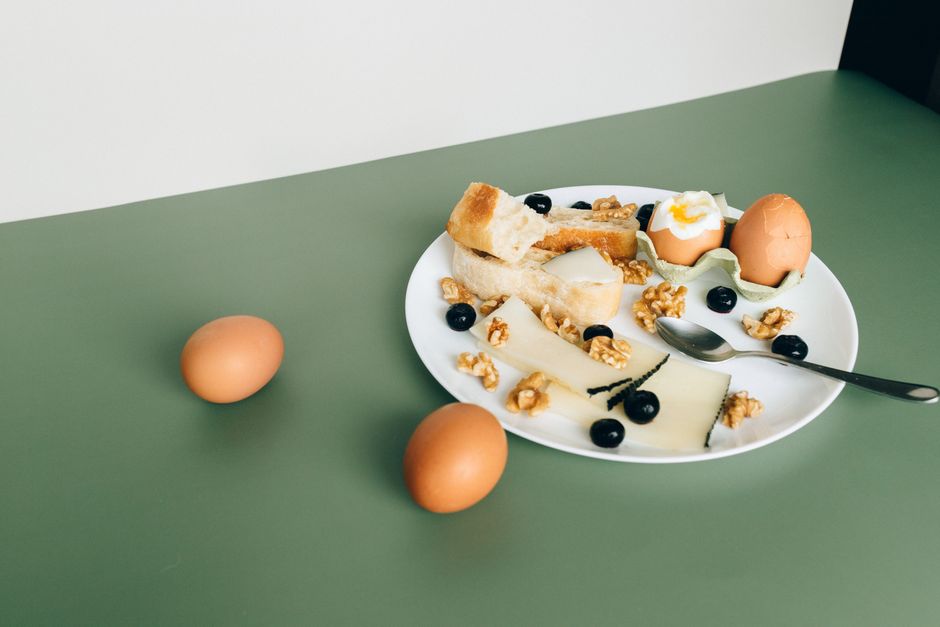
If you are looking for the highest protein cheese, hard cheeses like Parmesan lead the pack. A typical serving of grated Parmesan provides about 10 grams of protein per ounce, which is more than most other varieties. While it is not a complete protein source on its own, it is a concentrated way to add protein and calcium to your meals.
Which Cheese Has The Most Protein?
Parmesan is the clear winner when it comes to protein content per serving. Other hard cheeses are close behind. Romano, Gruyère, and aged Cheddar all deliver roughly 8 to 9 grams of protein per ounce.
Soft cheeses are lower in protein because they contain more water. Mozzarella, Brie, and Camembert have less protein per ounce than their hard counterparts. Cottage cheese is the exception among soft cheeses — it is high in protein because it is made from curds that are packed tightly together.
Protein Content by Cheese Type
Protein amounts vary widely across cheese types. The table below shows approximate values based on standard USDA nutritional data for a 1-ounce serving, which is about 28 grams.
| Cheese Type | Protein (grams per ounce) | Notes |
|---|---|---|
| Parmesan | 10 | Hard, aged, grated |
| Romano | 9 | Hard, sharp flavor |
| Gruyère | 8 | Firm, nutty |
| Cheddar (aged) | 7 | Firm, widely available |
| Swiss | 8 | Firm with large holes |
| Mozzarella (part-skim) | 7 | Softer, higher moisture |
| Brie | 6 | Soft, creamy |
| Cottage cheese (1% milkfat) | 14 per half-cup | Not sold by the ounce typically |
Notice that cottage cheese looks different on this list. It is usually measured in cups, not ounces. A half-cup serving of low-fat cottage cheese contains about 14 grams of protein. That makes it comparable to Parmesan per 100-calorie serving, but it is a completely different food in texture and use.
Why Hard Cheeses Have More Protein
The protein content in cheese comes down to moisture. Cheese is made by coagulating milk protein (casein) and draining off the liquid whey. The longer a cheese is aged and the more moisture that is pressed out, the more concentrated the remaining protein becomes.
Hard cheeses like Parmesan are aged for 12 months or longer. During that time, they lose significant water weight. What remains is a dense block of protein, fat, and minerals. Soft cheeses retain more water, so their protein is diluted.
This is also why a small amount of hard cheese can satisfy a craving more quickly than a larger piece of soft cheese. You are eating a more concentrated food.


Is Cheese a Complete Protein?
Cheese is a complete protein. It contains all nine essential amino acids that your body cannot make on its own. This is because cheese is made from milk, and milk protein is complete.
That said, cheese is not a protein powder. It comes packaged with saturated fat and sodium. A 1-ounce serving of Parmesan contains about 5 grams of saturated fat and roughly 330 milligrams of sodium. For context, the American Heart Association recommends limiting saturated fat to about 13 grams per day on a 2,000-calorie diet.
Protein quality matters too. The body uses cheese protein efficiently, but it is not the only factor in muscle building or recovery. Total daily protein intake and overall diet quality matter more than any single food.
Best High-Protein Cheeses for Different Needs
Your choice of cheese depends on how you plan to use it. Here is a practical breakdown:
- For snacking: Aged Cheddar or Swiss gives you solid protein with a satisfying texture. Pair with fruit or whole-grain crackers.
- For cooking: Parmesan and Romano are ideal for grating over pasta, salads, or soups. A tablespoon of grated Parmesan adds about 2 grams of protein.
- For sandwiches: Swiss and Gruyère melt well and provide 7 to 8 grams per slice.
- For high volume: Cottage cheese and Greek yogurt-style cheeses deliver more protein per calorie if you are watching fat intake.
If you are lactose intolerant, aged hard cheeses are often better tolerated. The aging process breaks down most of the lactose. Parmesan and aged Cheddar typically contain less than 1 gram of lactose per ounce, while fresh mozzarella and ricotta contain more.
Protein per Calorie: A More Useful Comparison
Protein per ounce is one way to compare cheeses. But if you are watching calories, protein per calorie matters more. Parmesan is high in protein but also high in fat and calories — about 110 calories per ounce.
Cottage cheese (1% milkfat) has about 80 calories per half-cup and 14 grams of protein. That works out to roughly 17.5 grams of protein per 100 calories. Parmesan provides about 9 grams per 100 calories.
Non-fat Greek yogurt is not cheese, but it is worth mentioning because it is often used as a cheese substitute. It delivers about 10 grams of protein per 100 calories with far less sodium and saturated fat.
If your goal is maximum protein with minimum calories, cottage cheese and Greek yogurt beat every hard cheese. If your goal is flavor and convenience, hard cheeses remain a strong choice.
How Much Cheese Is Too Much?
There is no official daily limit for cheese. Dietary guidelines treat cheese as part of a balanced diet, not a required food. The key is portion control.
A serving of cheese is 1.5 ounces for natural cheese, according to USDA dietary guidance. That is about the size of two dice or four cubes. Most people eat far more than that in a single sitting.
Eating cheese daily is fine for most healthy adults. The concern is not cheese itself but the saturated fat and sodium that come with it. If you have high blood pressure, high cholesterol, or heart disease, talk to your doctor about how much cheese fits into your diet.
One practical approach: use strong-flavored hard cheeses in smaller amounts. You get the flavor and protein without the extra calories of a larger portion of mild cheese.
Does the Protein in Cheese Help Build Muscle?
Yes, but with a caveat. Cheese protein is high in leucine, the amino acid that triggers muscle protein synthesis. Studies have shown that dairy proteins are effective for muscle recovery after resistance training.
However, cheese is not a post-workout staple for most athletes. The fat in cheese slows digestion, which delays amino acid delivery to muscles. Whey protein shakes are absorbed faster for this reason.
For everyday meals, cheese contributes meaningfully to total protein intake. If you eat 3 ounces of cheese across the day, that is roughly 21 to 30 grams of protein — a solid chunk of the recommended 0.8 grams per kilogram of body weight for a sedentary adult, or the higher range of 1.2 to 2.0 grams per kilogram for active people.
What About Plant-Based Cheese Alternatives?
Most plant-based cheeses are not high in protein. They are typically made from coconut oil, starch, and flavorings. A standard serving of vegan cheddar-style slices contains 0 to 1 gram of protein.
Some newer brands use pea protein or cashews to boost protein content. These can reach 5 to 7 grams per serving, but they are not equivalent to dairy cheese in protein density.
If you avoid dairy for ethical or health reasons, do not assume plant-based cheese will replace the protein you would get from dairy. You will need other protein sources like legumes, tofu, tempeh, or seitan to make up the difference.
Frequently Asked Questions
What cheese has the highest protein per ounce?
Parmesan has the highest protein content at about 10 grams per ounce. Romano and Gruyère are close behind at 8 to 9 grams per ounce.
Is cottage cheese high in protein?
Yes, cottage cheese is very high in protein — about 14 grams per half-cup. It is lower in calories than hard cheeses, making it a good option for high protein intake with fewer calories.
Which cheese is best for building muscle?
Any cheese with high protein and low fat works well, such as part-skim mozzarella or cottage cheese. Hard cheeses like Parmesan are also effective but come with more saturated fat per serving.
Can I eat high-protein cheese every day?
Yes, for most healthy adults, eating cheese daily is fine in moderation. Stick to 1.5 ounces or less per serving and balance it with other protein sources and vegetables.
