
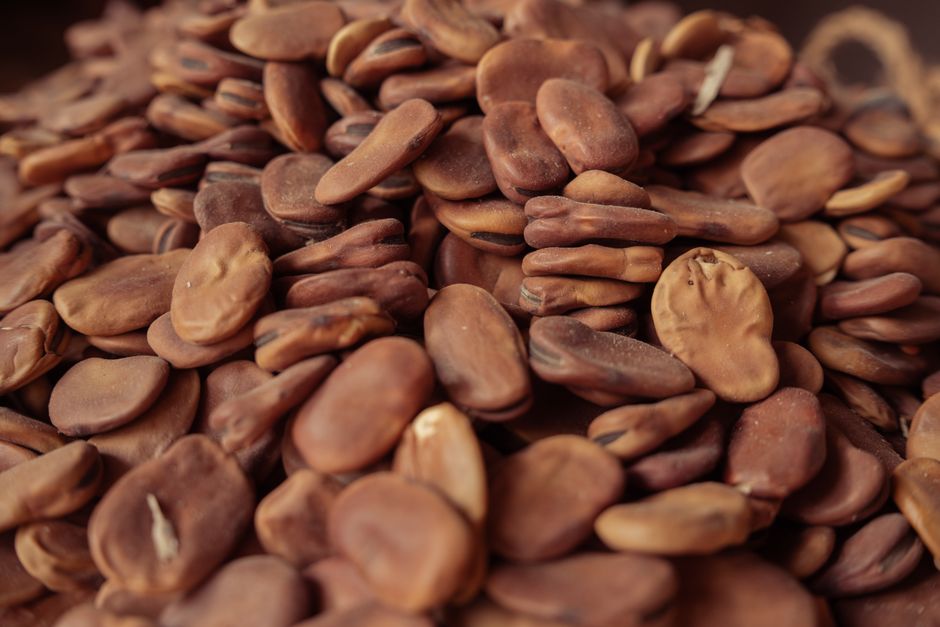
Which beans are not legumes? The ones that are seeds, roots, or pods from entirely different plant families. Coffee beans, cocoa beans, vanilla beans, and castor beans are not legumes at all. They picked up the word “bean” because they look like one, not because they are one.
Botanically, a legume is a specific thing. It is the fruit of a plant in the family Fabaceae, and it splits along two seams to release its seeds. A kidney bean, a lentil, a chickpea, and a soybean all fit that definition. A coffee “bean” is the seed of a fruit that grows on a shrub. It never belonged to the legume family in the first place.
This matters more than a trivia point. People with legume allergies, people following specific diets, and anyone reading a nutrition label can be misled by a name that describes a shape rather than a plant.
What Actually Makes a Bean a Legume?
A legume is defined by its plant family and its fruit structure, not by its common name. Members of Fabaceae produce a pod that typically opens along two sides when ripe. The seeds inside are what we eat as beans, peas, and lentils.
That botanical definition is strict. A plant either belongs to the family or it does not. Common language is far looser. Over centuries, English speakers applied the word “bean” to almost any small, roundish seed, especially ones used to make a hot drink or a flavoring. The name stuck even when the plant had nothing to do with legumes.
So the real question is not whether something is called a bean. It is which plant family it comes from. That single fact separates true legumes from the impostors.
Which Beans Are Not Legumes A Botanical Look at the Most Common Ones?
The most familiar non-legume “beans” come from four different plant families, and none of them are related to peas or lentils. Each one earned the name for a different reason.
- Coffee beans — the seed of the Coffea shrub, in the family Rubiaceae
- Cocoa beans — the seed of the cacao tree, in the family Malvaceae
- Vanilla beans — the cured pod of an orchid, in the family Orchidaceae
- Castor beans — the seed of the castor oil plant, in the family Euphorbiaceae
- Tonka beans — the seed of a tree in the legume family, but treated differently in food law
Notice the range. Coffee is a shrub. Cocoa is a tree. Vanilla is an orchid vine. Castor is a spurge. None of them share the pod-splitting structure that defines a legume.
Vanilla is a useful case. The “bean” is actually the fruit of the vanilla orchid, harvested green and cured until it turns dark and fragrant. It is a pod, but not a legume pod. The orchid family and the legume family split apart on the plant family tree a very long time ago.
Why Do We Call So Many Non-Legumes “Beans”?
Language is the culprit, not biology. The word “bean” has been a catch-all term for small edible seeds for well over a thousand years. When a new plant arrived in Europe or the Americas, people often named it by resemblance rather than by science.
Coffee is the clearest example. The seed looks like a small bean, so it became a coffee bean. Cocoa seeds are larger but still bean-shaped, so they became cocoa beans. Vanilla pods are long and thin, but they resemble a bean pod, so the name followed.
This is common in food language. A “nut” is not a botanical category either. Peanuts are legumes, almonds are seeds, and walnuts are drupes, yet we group them all as nuts on a shelf. The same looseness applies to beans.
One clarification worth holding onto: a name tells you how people use a plant, not what the plant is. If you need to know the botanical identity, you have to look at the family, not the label.





Are Peanuts, Soybeans, and Other Confusing Cases Legumes?
Peanuts are legumes. This surprises many people because peanuts are usually shelved with nuts and sold as a snack. Botanically, the peanut is a legume that develops its pod underground, which is unusual but still fits the family.
Soybeans, black beans, pinto beans, kidney beans, navy beans, and mung beans are all true legumes. So are peas, lentils, and chickpeas. If it grows in a pod that splits along two seams, it belongs to Fabaceae.
Tonka beans are the tricky one. The tonka tree is in the legume family, so botanically the tonka bean is a legume. But it contains a compound called coumarin, and regulators have restricted its use in food in several countries. So it is a legume by family but not a food you would treat like a kidney bean.
That split between botanical family and food regulation is worth remembering. A plant can be a legume and still be handled very differently from the legumes on your dinner plate.
Does It Matter If a Bean Is a Legume?
For most people, no. You can enjoy coffee and chocolate without thinking about plant families. But for some people, the distinction carries real weight.
Legume allergies are a recognized clinical concern, and they center on proteins found in Fabaceae plants. Peanut allergy is the best known example. Someone with a legume allergy may need to know whether a food contains a true legume, and a name like “coffee bean” could cause confusion.
There is no established evidence that coffee, cocoa, or vanilla trigger legume allergies, because they are not legumes. The proteins are unrelated. That said, anyone managing a food allergy should rely on their clinician’s guidance rather than on botanical categories alone.
Diet also plays a role. People following a legume-free diet for medical reasons sometimes worry about coffee and chocolate. Botanically, those are not legumes, so they usually fall outside that restriction. But individual tolerance and clinical advice vary, and no general rule replaces a doctor’s assessment.
How Can You Tell a Legume From a Non-Legume Bean?
Look at the plant, not the name. The most reliable sign is the pod. Legumes grow their seeds in a pod that splits open along two seams when mature. If you can picture the plant and its fruit, the family usually becomes obvious.
A second sign is the plant type. Legumes are a huge family that includes herbs, shrubs, vines, and trees, but the edible ones we call beans and peas mostly grow as low bushes or climbing vines with distinctive flowers. Coffee grows on a shrub with glossy leaves and white flowers. Cocoa grows on a tree with large pods that hang directly from the trunk.
| Name | Plant Family | Legume? |
|---|---|---|
| Kidney bean | Fabaceae | Yes |
| Peanut | Fabaceae | Yes |
| Coffee bean | Rubiaceae | No |
| Cocoa bean | Malvaceae | No |
| Vanilla bean | Orchidaceae | No |
| Castor bean | Euphorbiaceae | No |
When in doubt, the family name settles it. Fabaceae means legume. Anything else, whatever it is called, is not.
Why the Confusion Persists
Food language and botanical language grew up separately, and they still do not match. Grocery stores group foods by how we use them, not by how they are classified. That is why peanuts sit with almonds and coffee beans sit with spices.
This gap is not a flaw in either system. It is just two different ways of organizing the same plants. The trouble only appears when someone assumes a common name carries scientific meaning. It usually does not.
The practical takeaway is simple. If you need to know whether something is a legume, check the plant family. If you are just cooking or drinking it, the name on the label is fine.
Frequently Asked Questions
Is a coffee bean a legume?
No. A coffee bean is the seed of the Coffea shrub, which belongs to the family Rubiaceae, not Fabaceae. It is called a bean because of its shape, not its botany.
Are peanuts legumes or nuts?
Peanuts are legumes. They belong to the family Fabaceae and develop their pods underground, which is unusual for a legume but still places them firmly in that family.
Is vanilla a bean or a pod?
Vanilla is the cured pod of an orchid, so it is a fruit rather than a seed. It is not a legume, because orchids belong to a completely different plant family.
Can you be allergic to coffee if you have a legume allergy?
There is no established evidence that coffee triggers legume allergies, since coffee is not a legume and its proteins are unrelated. Anyone with a food allergy should follow their clinician’s advice rather than botanical categories alone.
