
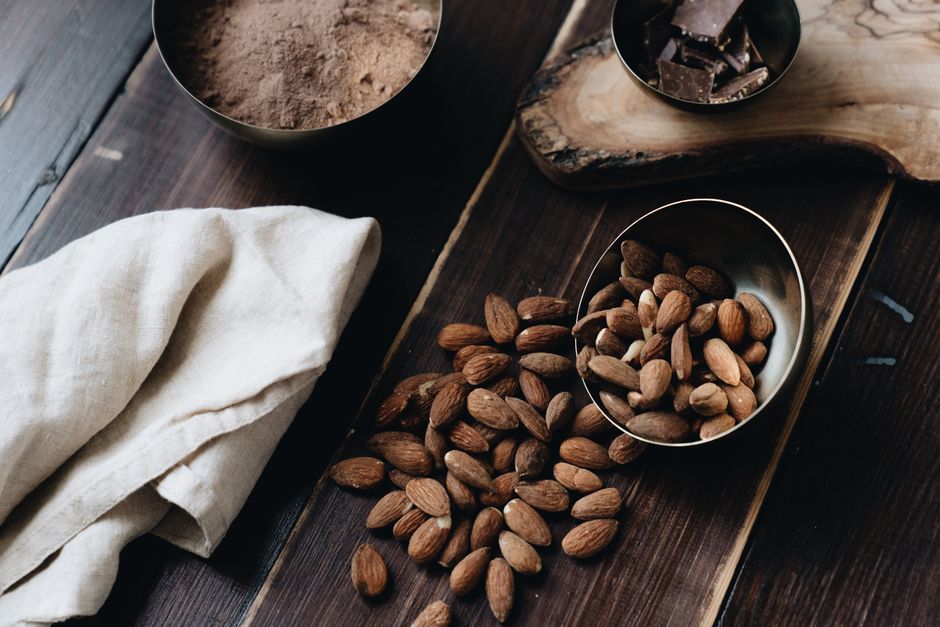
Almond oil for hair comes in two forms, and they are not the same product. Sweet almond oil (Prunus dulcis) is the one sold for skin and hair care. Bitter almond oil contains compounds that make it unsafe to apply or ingest. For almost everyone, cold-pressed, unrefined sweet almond oil is the best choice. That single distinction matters more than any brand name on the shelf.
Which Almond Oil Is Best For Your Hair?
Cold-pressed, unrefined sweet almond oil is the best option for most hair types. The cold-pressing method uses no high heat or chemical solvents, so more of the oil’s natural vitamin E and fatty acids stay intact.
Sweet almond oil is roughly half oleic acid and about a quarter linoleic acid, with smaller amounts of other fatty acids. That mix makes it a mid-weight oil. It is lighter than castor or coconut oil and heavier than jojoba. It spreads easily and does not leave the heavy coating that some thicker oils do.
What it does not do is repair hair. No oil repairs split ends or regrows hair. What almond oil can reasonably do is coat the hair shaft, reduce moisture loss, and add slip that makes detangling easier. Those are real, measurable effects. Anything beyond that is usually marketing.
What about bitter almond oil?
Bitter almond oil should not be used on hair or skin. It contains amygdalin, which releases hydrogen cyanide. Small amounts can be toxic, and it is not sold as a cosmetic oil for this reason. If a product lists bitter almond oil as an ingredient, treat that as a red flag.
What Is the Difference Between Sweet and Bitter Almond Oil?
Sweet and bitter almond oil come from different varieties of the same tree, but they behave nothing alike. Sweet almond oil is the cosmetic and culinary oil. Bitter almond oil is a source of flavoring compounds and, in its raw form, a poison risk.
Sweet almond oil is generally recognized as safe for topical use. Reactions are uncommon but do happen, especially in people with tree nut allergies. Bitter almond oil is a different story. The amygdalin it contains breaks down into hydrogen cyanide in the body. Even small amounts of the raw oil have caused serious harm.
Essential oil of bitter almond is sometimes sold. It is processed to remove most of the cyanide, but it is still not a hair oil. It is a concentrated fragrance ingredient. Do not apply it to your scalp.
Does Unrefined Almond Oil Beat Refined Almond Oil?
Unrefined almond oil keeps more of its natural compounds. That is the main argument for choosing it. Refining removes impurities and gives the oil a longer shelf life, but it also strips out much of the vitamin E and other minor components.
The trade-off is real. Unrefined oil goes rancid faster and has a stronger nutty smell. Refined oil is more stable and nearly odorless. For hair, the difference in performance is modest. Both will coat and condition the shaft. Unrefined oil just brings a few more beneficial compounds along for the ride.
If you use oil slowly, refined may actually serve you better because it lasts longer. If you go through a bottle within a few months, unrefined is the better pick.





How Should You Choose Almond Oil for Different Hair Types?
Hair type changes which oil works best, but almond oil is flexible enough to suit most people. The key is how you use it, not just what you buy.
- Fine hair: Use a few drops on the ends only. Almond oil is light, but too much still weighs fine hair down.
- Thick or coarse hair: You can use more freely, including as a pre-wash treatment.
- Curly hair: Works well as a sealant over a leave-in conditioner to slow moisture loss.
- Dry or damaged hair: Helps temporarily by coating the shaft and reducing friction, but it does not repair damage.
- Oily scalp: Apply to the ends and mid-lengths, not the roots. Oil on an already oily scalp adds to the problem.
One point that gets lost: oil and water do not mix. Almond oil does not add moisture to hair. It slows the rate at which water already in the hair escapes. That is why applying oil to bone-dry hair does less than applying it to damp hair.
What Should You Look for on the Label?
The label tells you more than the front of the bottle. Look for a few specific things.
- Sweet almond oil or Prunus dulcis as the ingredient. Not bitter almond.
- Cold-pressed if you want the unrefined version.
- Single ingredient. Fragrance, dyes, and added “hair growth” actives are not needed and can irritate the scalp.
- A dark glass bottle or opaque container. Light and heat speed up rancidity.
- A harvest or press date if available. Fresher is better.
Be wary of any product that promises to regrow hair. No topical oil has been shown to regrow hair in controlled human trials. Minoxidil, a medication, has evidence behind it. Almond oil does not. If a bottle claims otherwise, that is a sign the marketing has outrun the science.
How Do You Use Almond Oil on Hair?
How you apply almond oil matters as much as which one you buy. A little goes a long way.
For a light daily finish, warm two to three drops between your palms and smooth them over the ends of damp or dry hair. Avoid the roots unless your scalp is very dry.
For a deeper pre-wash treatment, apply a larger amount to dry hair, cover with a shower cap, and leave it on for at least 30 minutes. Some people leave it overnight. Then shampoo it out. You may need to shampoo twice to get it all out.
For detangling, apply a small amount to the ends before combing. The oil reduces friction, which means less breakage from pulling.
One caution worth stating plainly: if you have a tree nut allergy, do not use almond oil without checking with a doctor first. Almond is a tree nut. Skin contact with nut oils can trigger reactions in some allergic people, and the risk is not zero.
Is Almond Oil Better Than Other Hair Oils?
Almond oil is not the best oil for every job. It is one good option among several, and the right pick depends on your hair and your goal.
| Oil | Weight | Common use |
|---|---|---|
| Sweet almond | Medium-light | Daily finishing, detangling, pre-wash |
| Coconut | Medium | Pre-wash, penetrating treatments |
| Jojoba | Light | Scalp and fine hair, closest to scalp oil |
| Castor | Heavy, thick | Edge and length sealing, used sparingly |
| Argan | Light | Finishing and frizz control |
Coconut oil has more research behind it for reducing protein loss from hair during washing. That is a specific, studied effect. Almond oil does not have the same body of evidence for that use. Jojoba is closer in makeup to the oil your scalp already makes, which is why some people prefer it for scalp care.
None of this makes almond oil a bad choice. It is a solid, well-tolerated, mid-weight oil. It just is not a magic ingredient, and it is not clearly superior to the alternatives.
Frequently Asked Questions
Is sweet almond oil the same as regular almond oil?
For hair and skin products, yes. When a bottle simply says “almond oil,” it almost always means sweet almond oil. Bitter almond oil is a separate product and should not be used on hair.
Can almond oil regrow hair?
No. No clinical evidence shows that almond oil regrows hair or treats hair loss. It can condition the hair you have, but it does not affect the follicles that control growth.
Can you leave almond oil in your hair overnight?
Yes, many people do this as a pre-wash treatment. Cover your hair to protect your pillow, and shampoo it out the next morning.
Is almond oil safe if you have a nut allergy?
Ask your doctor before using it. Almond is a tree nut, and topical nut oils can trigger reactions in some allergic people.
