
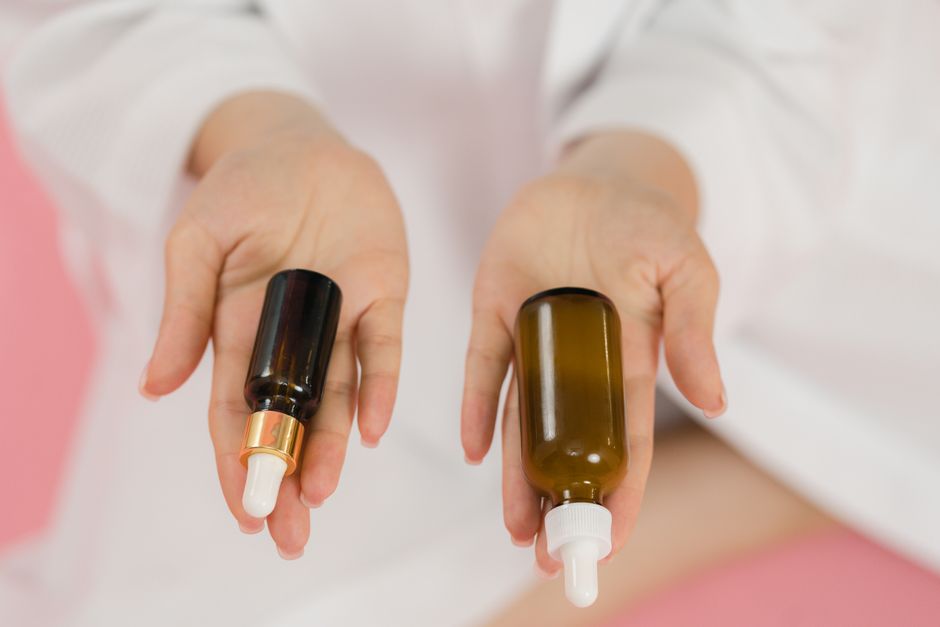
Essential oils are not automatically bad for your skin, but they carry real risks that many people do not know about. Undiluted application, wrong oil choices, and lack of patch testing can cause burns, allergic reactions, and long-term skin damage. The honest answer is that essential oils can be helpful for some skin concerns when used correctly, but the risks are often downplayed by wellness marketing.
What Actually Happens When You Put Essential Oils on Your Skin?
Essential oils are highly concentrated plant extracts. A single drop of peppermint oil equals about 28 cups of peppermint tea in concentration. When you put that drop directly on your skin, you are applying a potent chemical mixture to your largest organ.
Your skin absorbs some of what you put on it. The molecules in essential oils are small enough to penetrate the outer layer of skin. This is why people feel a warming or cooling sensation. But this same property means the oils can also irritate deeper layers of skin tissue.
The most common immediate reaction is contact dermatitis. This shows up as redness, itching, burning, or small blisters where the oil was applied. The National Institute for Occupational Safety and Health lists several essential oils as potential skin irritants. This is not rare. Studies published in the journal Contact Dermatitis have found that lavender and tea tree oils cause allergic reactions in a measurable percentage of people who use them.
Some people do not react on the first use. Sensitization can develop over time. You might use an oil for weeks with no problem, then suddenly develop a rash. Your immune system can build a response after repeated exposure.
Which Essential Oils Carry the Highest Skin Risks?
Not all essential oils are equal when it comes to skin safety. Some are much more likely to cause problems than others. Here is a breakdown of the ones that require the most caution.
| Oil | Risk Level | Common Reaction |
|---|---|---|
| Cinnamon bark | High | Burns, blistering |
| Clove | High | Skin irritation, numbness |
| Lemongrass | Moderate to high | Contact dermatitis |
| Peppermint | Moderate | Cooling burn sensation |
| Tea tree | Moderate | Allergic rash, dryness |
| Lavender | Lower | Mild irritation in some |
| Chamomile | Low | Rare reactions |
Citrus oils like lemon, orange, and bergamot add another risk. They contain compounds called furanocoumarins that make your skin extremely sensitive to sunlight. If you put these oils on your skin and go outside, you can develop a severe sunburn in minutes. This is called phytophotodermatitis. The burns can blister and leave dark marks that last for months.
Some people report that oils like frankincense or rose are gentle enough for direct use. But even these can cause reactions in sensitive individuals. The safest approach is to treat every essential oil as a potential irritant until you know how your skin responds.
How Should You Use Essential Oils on Skin Safely?
The single most important rule is to always dilute essential oils in a carrier oil. A carrier oil is a neutral plant oil like jojoba, coconut, almond, or grapeseed oil. Dilution reduces the concentration of the essential oil so it is less likely to irritate your skin.
For general adult use, a 2% dilution is standard. This means adding about 12 drops of essential oil per ounce (30 milliliters) of carrier oil. For facial use, many experts recommend an even lower 1% dilution. For children, elderly people, or those with sensitive skin, 0.5% is a safer starting point.
Patch testing is not optional. Before you use any new oil on a larger area, test it on a small patch of skin. Apply the diluted oil to the inside of your forearm or behind your ear. Cover it with a bandage. Wait 24 to 48 hours. If you see any redness, itching, or swelling, do not use that oil on larger areas.
Never use essential oils near your eyes, inside your ears, or on broken or damaged skin. These areas are much more absorbent and sensitive. If an oil gets in your eye, flush with a carrier oil — not water. Water can drive the oil deeper into the tissue.
Some people report that applying oils to the soles of the feet is safer because the skin there is thicker. This is widely claimed though strong evidence is limited. The skin on your feet is indeed thicker, but it still absorbs compounds into your bloodstream. Dilution rules still apply.





Can Essential Oils Help With Skin Conditions?
Research shows that some essential oils have antimicrobial and anti-inflammatory properties. Tea tree oil, for example, has been studied for acne. A study published in the Medical Journal of Australia found that 5% tea tree oil gel was effective for mild to moderate acne, though it worked more slowly than benzoyl peroxide.
Lavender oil has shown some promise for wound healing in animal studies. Evidence indicates it may help reduce inflammation and promote tissue repair. But human studies are limited, and the quality of the research varies widely.
For eczema and psoriasis, some people report relief from diluted chamomile or frankincense oil. But there is no strong clinical evidence that essential oils treat these conditions better than standard medical treatments. The National Eczema Association advises caution because essential oils can actually trigger flare-ups in some people.
Here is the honest truth: essential oils are not a replacement for dermatologist-prescribed treatments. If you have a diagnosed skin condition, talk to your doctor before adding oils to your routine. Some oils can interact with medications or make existing conditions worse.
What About Essential Oils in Store-Bought Skincare Products?
Many commercial skincare products contain essential oils. A moisturizer might list lavender oil or rose oil as an ingredient. These products are formulated at safe concentrations by manufacturers who follow cosmetic regulations. The risk is much lower than using undiluted oils at home.
But even in products, essential oils can cause problems for some people. The American Academy of Dermatology notes that “natural” ingredients are not automatically safe for everyone. Fragrance is one of the most common causes of allergic contact dermatitis, and essential oils are a type of fragrance.
If you have sensitive skin or a history of allergic reactions, look for products labeled “fragrance-free” rather than “unscented.” Unscented products can still contain masking fragrances made from essential oils. Fragrance-free means no fragrance ingredients are added at all.
Some people do well with essential oil-containing products for years without issues. Others develop reactions over time. Pay attention to how your skin responds. If a product makes your skin red, tight, or itchy, stop using it regardless of how “natural” the ingredients list looks.
Common Misconceptions About Essential Oils and Skin
One widespread myth is that “therapeutic grade” or “100% pure” essential oils are safe to apply directly to skin. No regulatory body defines these terms. They are marketing labels, not safety certifications. A “pure” oil can still cause burns and allergic reactions.
Another misconception is that if a small amount is good, more is better. This is dangerous with essential oils. Higher concentrations increase the risk of irritation and toxicity. More oil does not mean better results. It means higher risk.
Some people believe that essential oils are safe because they are “natural.” Poison ivy is natural too. The natural origin of a substance does not determine its safety for your skin. Many potent plant compounds are designed by nature to deter animals from eating them. Your skin can react to these defense chemicals.
The idea that essential oils can “detox” your skin through a rash or breakout is also misleading. A skin reaction is not a sign of detoxification. It is a sign of irritation or allergy. If your skin reacts badly to an oil, stop using it. Do not push through the reaction thinking it is part of a healing process.
Frequently Asked Questions
Can essential oils cause permanent skin damage?
Yes, undiluted essential oils can cause chemical burns that leave scars or permanent discoloration. Phototoxic reactions from citrus oils can also cause lasting skin damage.
How do I know if I am allergic to an essential oil?
Perform a patch test on a small area of skin and wait 24 to 48 hours. Redness, itching, swelling, or blisters indicate an allergic reaction or irritation.
Is it safe to put essential oils in my bath water?
No, essential oils do not dissolve in water and can float to the surface, causing concentrated contact with your skin. Mix them with a carrier oil or a dispersant first.
Can I use essential oils on my baby’s skin?
Most health organizations advise against using essential oils on infants and young children due to their sensitive skin and developing systems. Consult a pediatrician before any use.
