
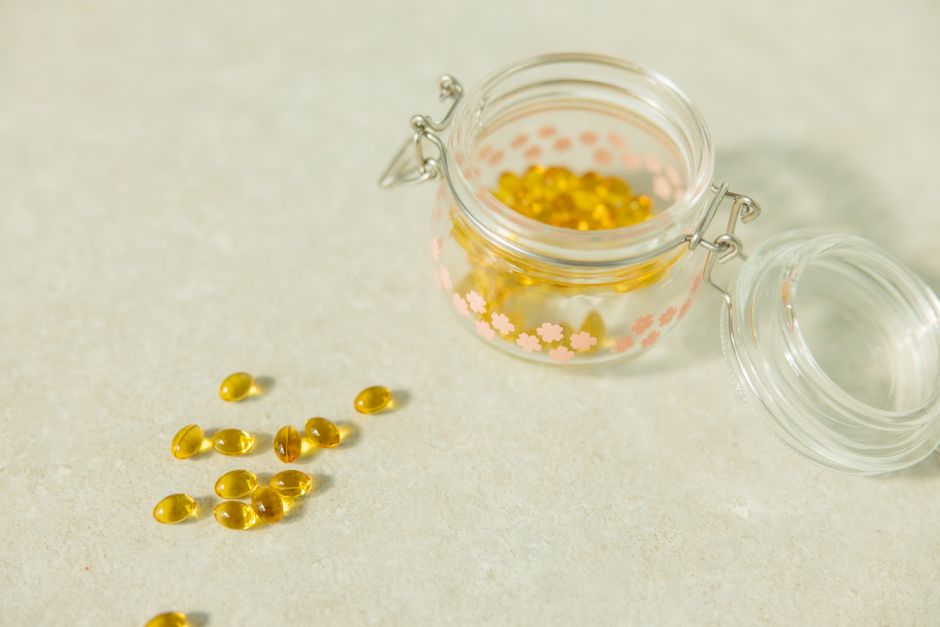
DHT (dihydrotestosterone) is the main hormone linked to male and female pattern hair loss. Several supplements have been studied for their ability to block DHT or reduce its effects on hair follicles. The most researched options include saw palmetto, pumpkin seed oil, green tea extract, and certain vitamins like zinc and vitamin D. None work as strongly as prescription medications like finasteride, but some people see real results with consistent use.
What Exactly Is DHT and How Does It Cause Hair Loss?
DHT is a byproduct of testosterone. An enzyme called 5-alpha-reductase turns testosterone into DHT. This process happens in the prostate, skin, and scalp.
DHT binds to receptors in hair follicles. For people with a genetic sensitivity to DHT, this binding shrinks the follicles over time. The hair becomes thinner and shorter with each growth cycle. Eventually the follicle stops producing visible hair altogether. This is the basic process behind androgenetic alopecia, which is the medical name for pattern baldness.
Not everyone responds to DHT the same way. Some people have hair follicles that are genetically resistant to DHT. Others have follicles that are highly sensitive. This is why two brothers can have very different hair loss patterns even with similar hormone levels.
What Supplements Block DHT For Hair Loss? The Evidence-Based List
The most commonly studied supplement for blocking DHT is saw palmetto. Multiple studies have found that saw palmetto extract can inhibit 5-alpha-reductase activity. A 2020 review in the journal Dermatology and Therapy looked at several trials and found that saw palmetto improved hair density in men with mild to moderate hair loss. The effect is modest compared to finasteride, but real.
Pumpkin seed oil also shows promise. A 2014 randomized controlled trial published in Evidence-Based Complementary and Alternative Medicine found that men who took 400 mg of pumpkin seed oil daily for 24 weeks had 40 percent more hair growth than the placebo group. The researchers measured DHT levels and found they dropped in the treatment group.
Green tea extract contains epigallocatechin gallate (EGCG), which some studies suggest can protect hair follicles from DHT damage. Most of this research is in test tubes or animals. Human studies are limited. But the evidence is enough to make it worth mentioning.
Zinc is a mineral that acts as a 5-alpha-reductase inhibitor. A 2013 study in the Annals of Dermatology found that zinc levels were significantly lower in people with hair loss compared to healthy controls. Supplementing zinc may help, but only if you are actually deficient. Too much zinc can cause side effects like nausea and copper deficiency.
Vitamin D does not directly block DHT, but low vitamin D levels are linked to hair loss. The National Institutes of Health reports that vitamin D receptors are present in hair follicles. When those receptors are activated, they help regulate the hair growth cycle. Getting your vitamin D into a normal range may support overall hair health.
How Do These Supplements Compare to Prescription DHT Blockers?
Prescription medications like finasteride and dutasteride are far more powerful than any supplement. They work by strongly inhibiting the 5-alpha-reductase enzyme. Finasteride blocks about 70 percent of DHT production. Dutasteride blocks about 90 percent.
Supplements work more gently. Saw palmetto, for example, inhibits 5-alpha-reductase by about 30 to 40 percent in lab studies. That is not nothing, but it is not the same as a drug.
Here is a quick comparison of how common options stack up:
| Treatment | DHT Blocking Strength | Research Quality | Common Side Effects |
|---|---|---|---|
| Finasteride (prescription) | Strong | Multiple large clinical trials | Sexual dysfunction, depression |
| Saw palmetto | Moderate | Several small trials | Stomach upset, mild |
| Pumpkin seed oil | Mild to moderate | One good trial | Very rare |
| Green tea extract | Mild | Lab studies only | Caffeine-related jitters |
| Zinc | Mild | Observational studies | Nausea, copper deficiency |
The key takeaway is that supplements are not a replacement for medication. If your hair loss is aggressive or you have a strong family history, a prescription may be the only option that stops progression. Supplements work best for people with mild thinning who want a gentler approach.
What Does the Research on Saw Palmetto and DHT Actually Show?
Saw palmetto is the most studied supplement for DHT-related hair loss. The evidence is mixed but leans positive.
A 2017 review in the Journal of Alternative and Complementary Medicine looked at 10 studies on saw palmetto for hair loss. Six of those studies showed improvement in hair growth or density. Four showed no significant benefit. The studies that worked used higher doses, typically 320 mg per day of a standardized extract.
The mechanism is clear. Saw palmetto contains fatty acids and phytosterols that block both type 1 and type 2 5-alpha-reductase enzymes. This is the same target as finasteride, just less potent.
One important detail is that most saw palmetto studies are short, lasting only 3 to 6 months. Hair growth cycles take much longer. A full cycle from shedding to new growth can take 6 to 12 months. So even if saw palmetto works, it may take a year to see the full effect.
Some people report no results at all. That is honest. If you try saw palmetto for 6 months and see no change, it probably is not working for you.
Are There Any Risks or Side Effects From DHT-Blocking Supplements?
Supplements are not risk-free. They are regulated as food products by the FDA, not as drugs. That means purity and potency vary widely between brands.
Saw palmetto can cause mild stomach upset, headache, or dizziness in some people. Serious side effects are rare. There is no evidence that saw palmetto causes the sexual side effects that finasteride can, though a small number of men report lower libido.
Pumpkin seed oil is very safe. The most common complaint is burping or an oily aftertaste. No serious side effects have been reported in studies.
Green tea extract contains caffeine. If you take high doses, you may feel jittery or have trouble sleeping. Some green tea extracts have been linked to liver injury in rare cases, especially when taken on an empty stomach.
Zinc is safe at doses under 40 mg per day. Higher doses can cause copper deficiency, which leads to anemia and nerve damage. Do not take zinc long-term without checking your levels.
Vitamin D is fat-soluble, meaning it builds up in your body. Too much can cause toxicity, leading to kidney stones and calcium deposits. Stick to doses under 4,000 IU per day unless a doctor tells you otherwise.
What Should You Actually Do If You Want to Block DHT Naturally?
If you want to try supplements, start with one at a time. That way you can tell what is actually working.
Saw palmetto is a reasonable first choice. Look for a standardized extract with at least 85 percent fatty acids. The typical dose is 320 mg per day, split into two doses.
Pumpkin seed oil is another good option. Take 400 mg per day. It is available as softgels or liquid oil.
Add zinc only if you know your levels are low. A simple blood test from your doctor can tell you. If your zinc is normal, adding more will not help and may cause problems.
Check your vitamin D level too. The Endocrine Society defines deficiency as below 20 ng/mL. Most people in northern climates are low during winter. A daily supplement of 1,000 to 2,000 IU is usually enough to maintain normal levels.
Beyond supplements, there are a few things that matter more:
- Diet quality. Hair follicles need protein, iron, and B vitamins. A balanced diet supports growth.
- Stress management. High cortisol levels can push hair follicles into a resting phase, causing shedding.
- Scalp care. Keeping the scalp clean and well-circulated may help. Gentle massage can increase blood flow.
- Consistency. Supplements take months to show results. Skipping days reduces their effectiveness.
If you have tried supplements for 6 to 12 months and see no improvement, it may be time to see a dermatologist. They can check for other causes of hair loss like thyroid problems, iron deficiency, or autoimmune conditions. They can also discuss stronger options like finasteride, minoxidil, or low-level laser therapy.
Common Misconceptions About DHT-Blocking Supplements
A lot of what you read online is not backed by good evidence. Here are a few myths that keep coming up.
Myth: Biotin blocks DHT. It does not. Biotin is a B vitamin that helps with keratin production, but it has no effect on DHT or 5-alpha-reductase. Taking biotin for hair loss only helps if you are actually deficient, which is rare.
Myth: Collagen supplements block DHT. Collagen is a protein that supports skin and joint health. There is no research showing it inhibits DHT. Some people claim it helps hair growth by providing amino acids, but that is not the same as blocking DHT.
Myth: All natural DHT blockers are safe in any dose. This is false. As mentioned, zinc and vitamin D can be toxic in high doses. Even saw palmetto can interact with blood thinners like warfarin.
Myth: You can block DHT with topical oils alone. Some oils like rosemary oil have been studied for hair growth, but they do not block DHT systemically. They may improve scalp health and circulation, which can help hair look fuller, but they will not lower your overall DHT levels.
Frequently Asked Questions
How long does it take for saw palmetto to block DHT for hair loss?
Most studies show results after 3 to 6 months of daily use. Full effects may take up to a year because hair growth cycles are slow.
Can women take DHT-blocking supplements for hair loss?
Yes, but women who are pregnant or nursing should avoid saw palmetto because it can affect hormone levels. Zinc and vitamin D are safe in normal doses.
Do DHT-blocking supplements work for receding hairlines?
They may slow the progression of a receding hairline, but they are unlikely to regrow hair that is already gone. Early treatment works better than waiting.
What is the best brand of saw palmetto for blocking DHT?
There is no single best brand. Look for a product that is third-party tested for purity and contains a standardized extract with at least 85 percent fatty acids.
