
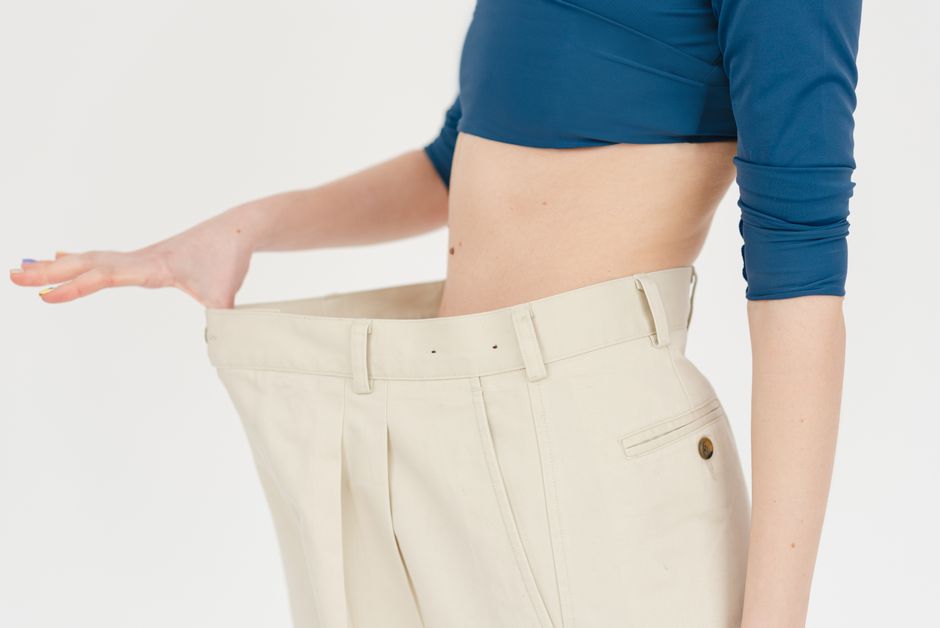
Where you notice weight loss first depends on your body’s biology, not on willpower or the type of diet you follow. Most people lose fat from the abdomen and waist before other areas, because visceral fat — the fat stored deep around the organs — is the most metabolically active fat in the body and tends to break down first. For women, the breasts and hips often follow. For men, the face, neck, and belly usually change early. The last places to shrink are typically the lower belly, thighs, and hips.
Why Does Belly Fat Come Off First?
Not all fat behaves the same way. The fat under your skin, called subcutaneous fat, and the fat packed around your internal organs, called visceral fat, respond differently to a calorie deficit.
Visceral fat is more metabolically active. It has a richer blood supply and more receptors that respond to the hormones your body releases when you burn stored energy. When you eat fewer calories than you burn, your body taps into fat stores for fuel. Visceral fat tends to release that fuel more readily than fat stored in the hips or thighs.
This is why the waist is often the first place people notice a change, especially in the early weeks. It is also why a tape measure can show a smaller number before the mirror does.
One clarification worth making: “losing weight” and “losing fat” are not the same thing. Early weight loss includes water and glycogen, a form of stored carbohydrate. Glycogen holds water, so when you cut calories, you can drop several pounds of water weight in the first week or two. That shows up on the scale fast but does not mean you have lost fat from any specific spot.
Will I Notice Weight Loss First in My Face or Stomach?
For most men, the face and neck are among the first places others notice a change. The cheeks may look leaner and the jawline sharper before the belly visibly shrinks. This is partly because facial fat is thinner to begin with, so even a small reduction is more noticeable.
For most women, the waist and abdomen usually lead, with the breasts often changing early too. The breasts contain fat tissue, so they can shrink during weight loss. This varies a lot between individuals.
Genetics and hormones shape where your body stores fat and where it lets go first. Two people eating the same way can lose from completely different areas. There is no diet or exercise that reliably targets one spot for fat loss. Spot reduction — the idea that crunches burn belly fat or leg lifts slim the thighs — is not supported by research.
Can You Target Fat Loss to One Area?
No. Your body decides where fat comes off, and it does not take requests. Exercise strengthens and builds the muscles you work, but it does not burn the fat sitting directly over those muscles.
Studies on spot reduction have generally found that working a specific muscle does not reduce fat in that area more than anywhere else. A person doing hundreds of sit-ups may build stronger abdominal muscles, but the fat covering them comes off on the body’s own schedule.
What you can control is the total calorie deficit and your overall activity. That drives fat loss everywhere, including the areas you want to change. The order is set by your biology.





Why Do Some Areas Shrink Last?
The lower belly, hips, and thighs are common stubborn spots, especially for women. Fat stored in these areas tends to be more subcutaneous and less metabolically active. It also has different hormone receptors that make it slower to release stored energy.
This is normal and not a sign that something is wrong. The body holds onto fat in these regions for reasons tied to hormones and, in women, reproductive biology. That fat does come off, but usually later in the process and often more slowly.
For many people, the last five to ten pounds are the hardest because the remaining fat is in these slower-release areas. This is a common experience, not a personal failing.
How Long Before You Notice Changes?
Timelines vary widely and depend on how much you are losing and from where. There is no single number that applies to everyone.
As a general pattern, people often notice changes in the face and waist within the first few weeks of consistent fat loss, while more stubborn areas may take longer. Water weight can create early changes on the scale that are not fat loss at all.
How quickly you notice also depends on how much weight you have to lose. Someone with more to lose may see changes sooner. Someone close to their goal weight may see them more slowly.
Tracking tools can help you see trends that the mirror misses:
- A tape measure around the waist, taken the same way each time
- Photos taken in the same light and pose every few weeks
- How clothing fits, which often changes before the scale moves much
None of these are perfect. They simply give you more information than the scale alone.
What Affects Where You Lose Weight First?
Several factors shape your personal pattern. You cannot change most of them, but knowing them helps set realistic expectations.
| Factor | Effect on fat loss pattern |
|---|---|
| Genetics | Sets your baseline fat storage pattern |
| Sex and hormones | Women often store more in hips and thighs; men more in the belly |
| Age | Fat distribution shifts with age in both sexes |
| Starting body fat | More fat overall can mean faster early changes |
| Rate of loss | Slower loss may look more even over time |
Genetics is the biggest one. Where your parents and grandparents carried weight gives you a rough idea of your own pattern. Hormones matter too. After menopause, many women notice fat shifting toward the abdomen, which reflects changing hormone levels rather than diet choices.
Does Exercise Change Where You Lose Fat?
Exercise changes your body, but not the order in which fat comes off. Strength training builds muscle, which can change your shape and how firm an area looks. It does not override your body’s fat-loss sequence.
Aerobic exercise burns calories, which supports a calorie deficit. That deficit drives fat loss, and your body chooses the order. Resistance training helps preserve muscle while you lose fat, which matters for how you look and feel at the end.
Some clinicians recommend combining both — cardio for the deficit and strength work to protect muscle — rather than relying on one alone. The evidence supports exercise for overall health and body composition, but not for controlling which area shrinks first.
Why the Scale and the Mirror Disagree
The scale measures everything: fat, muscle, water, and food still being digested. The mirror shows shape and where fat sits. They can tell different stories at the same time.
You might lose fat from your waist while the scale barely moves, because you gained muscle or held onto water. Or the scale might drop quickly from water loss while your shape looks the same. Neither tool is lying. They are measuring different things.
If you want to know where you are losing, look at how clothes fit and where a tape measure changes. Those tend to reflect fat loss more reliably than a single scale reading, though they still have limits.
Frequently Asked Questions
Where do you lose weight first?
Most people lose fat from the abdomen and waist first, because visceral fat is the most metabolically active. The face, neck, and breasts often change early too, depending on your sex and genetics.
Can you lose belly fat first with exercise?
No. Exercise does not control where fat comes off, and spot reduction is not supported by research. A calorie deficit drives fat loss everywhere, and your body sets the order.
Why is my stomach the last place I lose weight?
Lower belly fat is often subcutaneous and less metabolically active, so it tends to release more slowly. This is common and tied to hormones and genetics, not to anything you are doing wrong.
How soon will I notice weight loss in my face?
Many people notice facial changes within the first few weeks of consistent fat loss, though this varies widely. Early changes may include water weight rather than fat, so the timeline is not fixed.
