
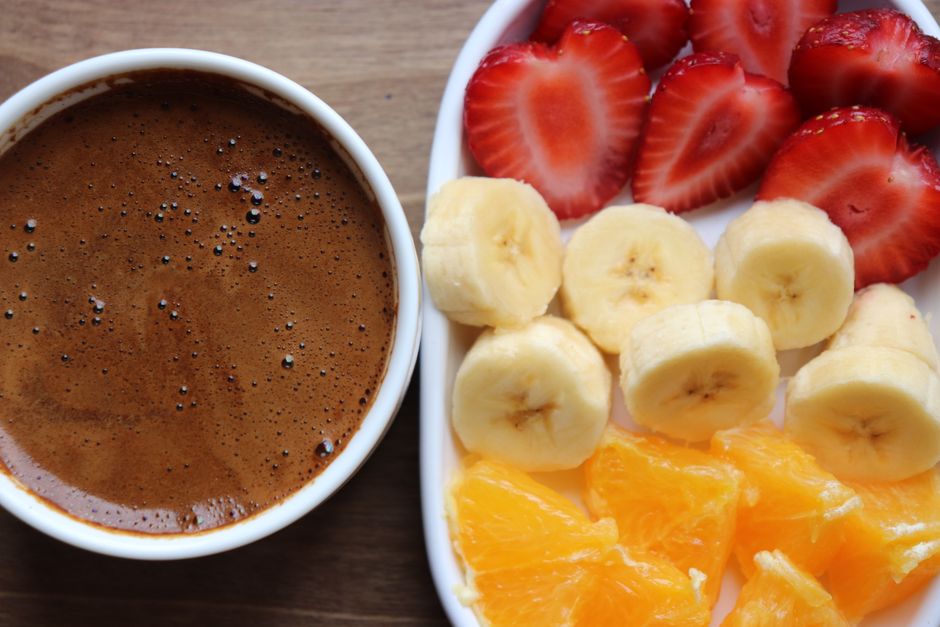
The coffee method for weight loss has become a popular topic online, but the name means different things depending on where you look. In its most common form, it refers to adding specific ingredients—usually butter, coconut oil, or MCT oil—to your morning coffee to create a high-fat, low-carb drink. The idea is that this drink helps you feel full longer and supports a state of ketosis, where your body burns fat for fuel instead of carbohydrates. The short answer is that this is not a proven weight loss method on its own; it is a tool some people use alongside a specific diet, and the evidence for its benefits is limited.
Where Did the Coffee Method Come From?
The coffee method gained attention through the ketogenic (keto) diet community. The most well-known version is “bulletproof coffee,” which combines coffee with grass-fed butter and MCT oil. It was created as a breakfast replacement for people following high-fat, very low-carb diets. The goal was to provide a steady source of energy without spiking blood sugar or insulin levels.
Another version of the coffee method involves drinking black coffee to suppress appetite. Caffeine is a known appetite suppressant in the short term, and some people use it to help them eat fewer calories. This approach is simpler, but it is also not a structured weight loss plan. It is just a habit that may or may not reduce overall calorie intake.
There is also a trend on social media that calls itself the “coffee method” but involves adding lemon juice, cinnamon, or other spices to coffee. There is no clinical evidence that any of these combinations produce weight loss beyond what the coffee itself might do.
Does the Coffee Method Actually Work?
The honest answer is that the evidence is mixed and largely depends on what you mean by “the method.” If the method is drinking black coffee before meals to curb appetite, some research supports this. Caffeine can temporarily reduce hunger and increase energy expenditure. However, the effect is modest and tends to diminish with regular use as your body builds tolerance.
If the method is adding butter and MCT oil to coffee, the science is more complicated. This drink is high in calories—often 200 to 400 calories per cup. For weight loss to happen, you must be in a calorie deficit. Drinking a high-calorie coffee can easily push you out of that deficit if you are not careful with the rest of your diet.
Some studies suggest that MCT oil may increase feelings of fullness and slightly boost metabolism compared to other fats. But these effects are small. No large human trial has confirmed that replacing breakfast with a fat-filled coffee leads to sustained weight loss. In fact, some people gain weight because they add these calories without adjusting their food intake later in the day.
What Is Ketosis and Does Coffee Help You Get There?
Ketosis is a metabolic state where your body runs primarily on fat instead of carbohydrates. It happens when carbohydrate intake is very low—typically under 50 grams per day—and the liver produces ketones to fuel the brain and body. This is the foundation of the ketogenic diet.
Coffee itself does not cause ketosis. The butter and MCT oil in the coffee method do not trigger ketosis either. What triggers ketosis is the overall reduction of carbohydrates in your diet. If you drink a high-fat coffee but still eat bread, pasta, and sugary foods, you will not enter ketosis.
The coffee method can fit into a ketogenic diet as a meal replacement, but it is not necessary for ketosis. Some people find that a high-fat coffee helps them stick to their low-carb plan because it reduces cravings and hunger. Others find it adds too many calories and slows their progress. There is no universal answer.





What Are the Risks of the Coffee Method?
There are real concerns with the high-fat coffee approach. For one, a single cup can contain a large amount of saturated fat. The American Heart Association recommends limiting saturated fat to about 13 grams per day on a 2,000-calorie diet. A bulletproof coffee made with two tablespoons of butter and one tablespoon of MCT oil can contain more than 20 grams of saturated fat. That exceeds the daily recommendation in one drink.
High saturated fat intake is linked to increased LDL cholesterol, which is a risk factor for heart disease. If you already have high cholesterol or a family history of heart problems, this method may not be safe for you. Some clinicians recommend against it for this reason.
MCT oil can also cause digestive upset. Common side effects include diarrhea, cramping, and nausea, especially when you start taking it or if you take too much at once. It is best to start with a small amount—like one teaspoon—and increase gradually if you tolerate it well.
Caffeine is another factor. The coffee method often involves drinking coffee in place of food, which can lead to excessive caffeine intake. More than 400 milligrams of caffeine per day—about four cups of coffee—can cause jitteriness, anxiety, insomnia, and a rapid heartbeat. If you are sensitive to caffeine, this method may not be appropriate.
What Does the Research Say About Coffee and Weight Loss?
Research on coffee and weight loss is more about caffeine than the coffee itself. Caffeine is a stimulant that can slightly increase your metabolic rate and promote fat burning. Some studies have shown that caffeine can increase energy expenditure by about 3 to 11 percent. However, this effect is more pronounced in lean individuals and diminishes over time in regular coffee drinkers.
Coffee also contains chlorogenic acid, a compound that may affect how your body processes sugar. Some research suggests it can slow carbohydrate absorption and improve blood sugar control. But the amounts in a typical cup of coffee are not enough to produce significant weight loss on their own.
There is no clinical evidence that any specific combination of coffee and added ingredients produces better weight loss than plain coffee. The marketing claims around “fat-burning coffee” are not supported by rigorous studies. If coffee helps you eat less or stay consistent with a healthy diet, that is the mechanism—not some unique property of the coffee itself.
Is the Coffee Method Safe for Everyone?
No. Pregnant women are advised to limit caffeine to 200 milligrams per day, which is about one 12-ounce cup of coffee. The coffee method often involves more than that. People with heart conditions, high blood pressure, or anxiety disorders should also be cautious with high caffeine intake.
If you have diabetes, the high-fat coffee method can be problematic. While it does not spike blood sugar, it can contribute to insulin resistance over time if consumed regularly as part of a high-fat diet. The evidence on this is not definitive, but it is a concern that some endocrinologists raise.
No clinical guidelines currently exist for the coffee method as a weight loss intervention. It is not a medically supervised plan. If you choose to try it, it is reasonable to do so only if you understand the calorie content and adjust the rest of your diet accordingly.
What Is a More Evidence-Based Approach to Coffee and Weight Loss?
If you enjoy coffee and want to use it as part of a weight management plan, the evidence supports a simpler approach. Drink black coffee or coffee with a small amount of milk or cream. Avoid adding sugar, flavored syrups, or high-calorie fats. This keeps your coffee low in calories while still giving you the benefits of caffeine.
Use coffee strategically before workouts. Caffeine has been shown to improve physical performance, which can help you exercise harder and burn more calories. A cup of black coffee 30 to 60 minutes before exercise is a common and safe practice for most healthy adults.
Do not rely on coffee to suppress hunger all day. Appetite suppression from caffeine is short-lived. Eating balanced meals with adequate protein and fiber is a more reliable way to control hunger and support weight loss.
If you are interested in the ketogenic diet, work with a healthcare provider or registered dietitian. They can help you structure the diet safely and determine whether a high-fat coffee fits into your plan without exceeding your calorie needs or putting your heart health at risk.
Frequently Asked Questions
Can you lose weight by drinking coffee every day?
Drinking plain black coffee may slightly increase metabolism and reduce appetite in the short term, but it does not cause weight loss on its own. Weight loss still requires a consistent calorie deficit from diet and activity.
Is the coffee method the same as the keto diet?
No. The coffee method is a drink, not a diet. It is often used by people on the keto diet as a meal replacement, but you can drink it without following a ketogenic eating plan.
Is it safe to drink butter coffee every day?
For most healthy adults, drinking it occasionally is likely fine, but daily use can exceed recommended saturated fat limits. If you have high cholesterol or heart disease risk, talk to your doctor before making it a habit.
Does adding lemon to coffee burn belly fat?
No study has confirmed that lemon in coffee burns fat. This is a social media trend without clinical evidence. Any weight loss from this combination would come from the calorie deficit, not the ingredients.
