
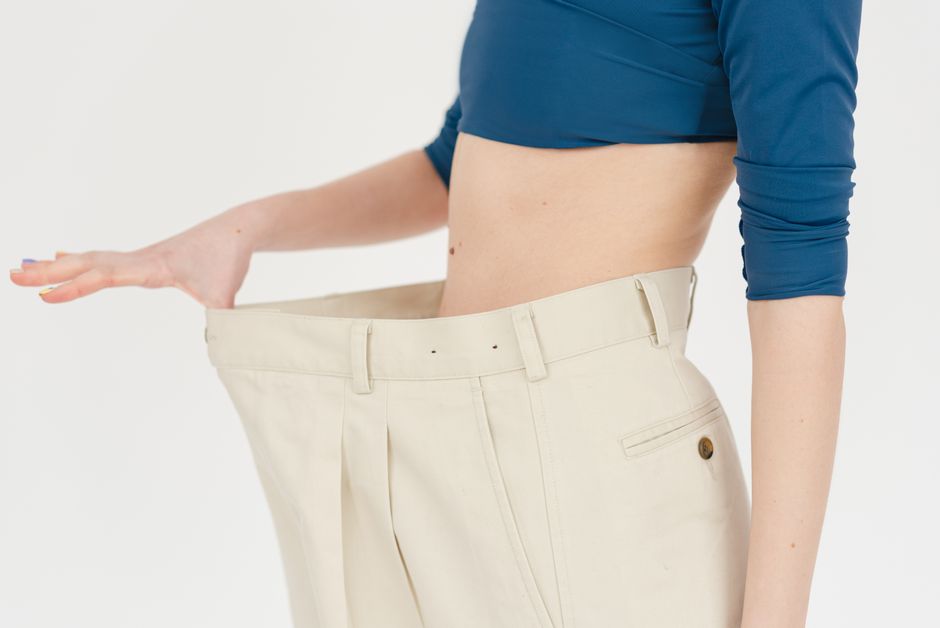
Weight loss is usually first noticed in the face and waist, not on the scale. That surprises people. Fat comes off in a pattern your genes and hormones largely decide, and the face, neck, upper chest, and belly tend to show it before the arms or legs do. The scale can move a little while the mirror shows a lot, or the reverse. Both are normal.
What you see first is not the same as where fat is being burned. The body draws on fat stores from all over, and some areas simply change appearance faster because the tissue there is thinner or more visible. Understanding that gap between perception and physiology helps you read your own progress more honestly.
Why Does Weight Loss Show Up in Some Places Before Others?
Body fat is stored in subcutaneous layers just under the skin and in visceral depots around the organs. Subcutaneous fat on the face and abdomen sits close to the surface, so even a modest reduction changes the outline you see in a mirror. Fat on the hips and thighs can shrink too but is often thicker, so the change is less obvious at first.
Hormones shape where fat is stored. Estrogen tends to favor hips and thighs. Testosterone tends to favor the abdomen. This is why two people eating the same way can lose weight in visibly different places. It is not a sign that one person is doing it right and the other wrong.
Age matters as well. Fat distribution shifts with age, and skin elasticity changes how a reduction in fat looks. A younger person may see a sharper jawline quickly. An older person may see the same fat loss but with less visible contour change. Neither reflects the actual amount of fat lost.
Is Weight Loss First Noticed in the Face or the Belly?
For most people the face and midsection change first. The face has relatively little fat compared with the hips or thighs, so a small absolute reduction is a large proportional change. The waist is similar. A few centimeters off the waist is easy to see in clothing even when the total body weight change is small.
Some people notice the waistband of pants before anything else. Others notice cheekbones or a sharper jaw. The order varies, but the pattern favors the upper body and midsection over the lower body for most adults.
There is a detail worth knowing. Visceral fat, the fat around the organs, can respond to diet and exercise earlier than subcutaneous fat in some people. Visceral fat is not visible directly, but a shrinking waist often reflects it. This is one reason a tape measure can be a better early signal than a mirror.
What Does the Science Say About Spot Reduction?
Spot reduction does not work in any meaningful way. You cannot choose where fat comes off by exercising a specific area. Doing sit-ups does not preferentially burn belly fat. Doing facial exercises does not slim the face. The body mobilizes fat through systemic signals, not local ones.
Some research suggests that exercising a muscle can increase blood flow and fat use near that muscle during the activity, but the effect on total fat in that area over time is small and not clinically meaningful. The evidence for meaningful spot reduction is weak. No credible trial has shown a practical way to target fat loss to one region.
What does work is a sustained energy deficit. Where the fat comes off is decided by genetics, hormones, and body composition, not by which muscle you train.





Why Do People See Different Results in the Mirror?
Two people can lose the same amount of weight and look very different. Body composition explains much of it. Losing fat while preserving muscle changes shape more than losing fat and muscle together. A person who strength trains during weight loss often looks leaner at the same weight than someone who does not.
Clothing fit, posture, and lighting also change perception. A shirt that fit tightly at the waist may loosen noticeably after a modest loss, while the face change is subtle. The reverse happens too. The mirror is a poor measuring instrument compared with a tape measure and a consistent scale.
Fluid shifts add noise. Sodium intake, carbohydrate intake, menstrual cycle, and training can change water retention by a noticeable amount within days. This can make the face look puffy one morning and sharper the next without any fat change at all. Fat loss is slower and steadier than the daily fluctuations you see.
How Can You Track Weight Loss Accurately?
Use more than one measure. A scale alone misses body composition changes. A tape measure at the waist, a consistent photo, and how clothes fit give a fuller picture. Weigh yourself under the same conditions, ideally in the morning before eating, and look at the trend over weeks rather than any single day.
Waist circumference is a useful marker because it tracks visceral fat better than weight alone. Measuring at the same point each time, usually at the level of the navel or the narrowest part of the waist, reduces error. Track it weekly, not daily.
Progress photos taken in similar lighting and clothing help because the mirror adapts to slow change. You stop noticing gradual differences. A photo from a month ago makes them visible again.
- Weigh at the same time, same conditions, and read the weekly trend.
- Measure the waist at a consistent landmark.
- Take photos monthly in similar light.
- Note how clothes fit rather than relying on the scale alone.
Does the Order of Fat Loss Change With Age or Sex?
Yes. Fat distribution shifts across the lifespan. Women tend to store more fat in the hips and thighs before menopause, and the pattern can shift toward the abdomen afterward. Men tend to accumulate abdominal fat earlier and more visibly. These patterns are well established in the physiology literature.
The order in which fat comes off tends to follow the order in which it was gained, though not perfectly. Areas that gained fat early often lose it later. This is why some people see stubborn areas that seem to change last. It is not a sign of failure. It reflects the biology of fat storage and mobilization.
Genetics set much of this. Two siblings can follow the same plan and see different patterns. That is expected. The health benefits of weight loss do not depend on which area changes first.
What Should You Realistically Expect in the First Weeks?
Early weight loss often includes water and glycogen, not just fat. This can make the first week or two look faster than later weeks. The face and waist may change noticeably in this period partly because of fluid shifts. Fat loss itself is slower and steadier.
A common and realistic rate is roughly half a kilogram to one kilogram per week for many adults following a structured plan, though this varies widely with starting weight, diet, activity, and health status. Faster loss is possible but is harder to sustain and can cost muscle if protein and resistance training are not adequate. No single rate fits everyone, and clinical guidance should come from a clinician for anyone with a medical condition.
Plateaus are normal. The body adapts, and the scale can stall for weeks while fat loss continues. This is where tape measures and photos earn their keep. Do not change a sound plan because of a short stall.
Frequently Asked Questions
Where is weight loss first noticed on the body?
Most people notice it in the face and waist first. These areas have thinner fat layers or are more visible, so small changes show up sooner.
Can you target belly fat with exercise?
No. Spot reduction is not supported by credible evidence. Abdominal exercise strengthens muscle but does not preferentially burn belly fat.
Why does my face look thinner before my stomach?
The face has less fat overall, so a small reduction is a larger proportional change. Hormones and genetics also affect the order fat comes off.
How long before weight loss is visible?
Visible change often appears within a few weeks for many people, but it varies with starting weight, body composition, and how much is lost. The scale and tape measure are more reliable than the mirror early on.
