
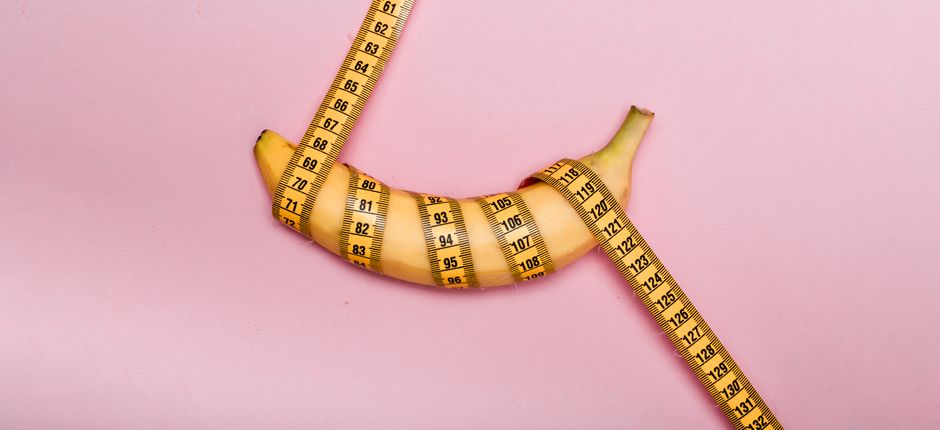
Yes, bananas can be helpful for weight loss when eaten in the right amounts. They are not the enemy some diet trends claim they are. A medium banana has about 105 calories, 3 grams of fiber, and plenty of nutrients that support overall health. The key is understanding portion size and timing, not cutting bananas out entirely.
Do Bananas Cause Weight Gain or Help With Weight Loss?
Bananas get a bad reputation because they contain more sugar and carbs than some other fruits. A medium banana has about 27 grams of carbs and 14 grams of sugar. That sounds like a lot if you are watching your weight.
But the sugar in bananas is natural, not added. Bananas also contain resistant starch, especially when they are still slightly green. Resistant starch acts like fiber. Your body does not digest it fully, so it passes through your system and feeds good gut bacteria instead of adding to your calorie count.
Research published in the journal Nutrients found that resistant starch can help lower blood sugar spikes after meals. Lower spikes mean less insulin release, which can help your body burn fat instead of storing it. This is one reason bananas are not the weight loss villain some people make them out to be.
The real issue is portion size and what you eat with the banana. A banana alone will not make you gain weight. Eating three bananas plus a full meal might push your calories too high.
How Many Calories and Carbs Are in a Banana?
Here is a simple breakdown of what is in one medium banana (about 7 to 8 inches long):
| Nutrient | Amount |
|---|---|
| Calories | 105 |
| Carbohydrates | 27 grams |
| Fiber | 3 grams |
| Sugar | 14 grams |
| Protein | 1 gram |
| Potassium | 422 mg |
| Vitamin B6 | 0.4 mg |
Compare that to an apple which has about 95 calories and 25 grams of carbs. Or a cup of grapes at 100 calories and 27 grams of carbs. Bananas are not dramatically different from other fruits in calorie or carb content.
The difference is that bananas are more filling. The fiber and water content in a banana help you feel full longer than many other fruits. Feeling full means you are less likely to snack on higher calorie foods later.
What Does Research on Banana Helpful for Weight Loss Show?
Some studies suggest that eating fruit is linked to lower body weight, not higher. A 2015 study in PLOS Medicine followed over 130,000 adults for 24 years. It found that increasing fruit intake was associated with modest weight loss over time. Bananas were included in the fruit category.
Another study looked specifically at bananas and their effect on appetite. Researchers at the University of Sydney found that bananas scored moderately well on the satiety index. This index measures how full a food makes you feel compared to other foods. Bananas were more filling than white bread, pastries, and candy bars.
The American Heart Association recommends eating 4 to 5 servings of fruit per day. Bananas count as one serving. The CDC also reports that only about 1 in 10 adults eats enough fruit. Cutting out bananas because of carb concerns usually backfires. People end up eating more processed snacks instead.
Evidence indicates that the fiber in bananas helps slow down digestion. Slower digestion means steadier blood sugar levels. Steady blood sugar helps control cravings, which is a major factor in weight loss success.





When Should You Eat a Banana for Weight Loss?
Timing matters more than most people realize. Eating a banana as a pre-workout snack gives you quick energy without weighing you down. The carbs in a banana are easy to digest and provide fuel for exercise.
Eating a banana after a workout helps replenish glycogen stores. Glycogen is stored energy in your muscles. Replenishing it helps your body recover faster and prepares you for your next workout.
Some people report that eating a banana in the morning helps them avoid mid-morning cravings. The fiber and natural sugars provide steady energy. Pairing a banana with protein like Greek yogurt or peanut butter makes it even more satisfying.
Avoid eating bananas as a late-night snack if you are sensitive to carbs. Your body processes carbs differently at night when you are less active. The sugar may not get burned off as quickly.
Here are a few practical ways to include bananas in a weight loss plan:
- Slice half a banana into oatmeal for breakfast
- Blend a frozen banana into a smoothie with spinach and protein powder
- Eat a whole banana 30 minutes before a workout
- Use mashed banana as a natural sweetener in baking instead of sugar
- Pair banana slices with almond butter for a filling afternoon snack
Stick to one banana per day if you are actively trying to lose weight. Two bananas is fine for active people who exercise regularly. Three or more per day might push your carb intake too high unless you are very physically active.
What Are the Common Misconceptions About Bananas and Weight Loss?
The biggest myth is that bananas are too high in sugar for anyone trying to lose weight. This is simply not true. The sugar in bananas comes packaged with fiber, vitamins, and minerals. That is completely different from the sugar in soda or candy.
Another misconception is that green bananas are better for weight loss than ripe bananas. Green bananas have more resistant starch and less sugar. Ripe bananas have less resistant starch and more sugar. Both versions are healthy. The difference is small enough that it does not matter for most people.
Some people believe that bananas should be avoided on low-carb or keto diets. This is accurate for strict keto, which limits carbs to under 50 grams per day. One banana alone would take up more than half of that allowance. But for general weight loss that is not keto, bananas are fine.
A third myth is that eating bananas at night causes belly fat. There is no evidence that eating fruit at a specific time of day causes fat storage. Weight gain happens when you eat more calories than you burn over time, not because of when you eat a banana.
The truth is that bananas are one of the most affordable and accessible fruits. Cutting them out of your diet because of misinformation often leads to replacing them with less healthy options.
What to Avoid When Eating Bananas for Weight Loss
Do not eat bananas that are overly ripe and mushy if you are trying to limit sugar. As bananas ripen, the starch converts to sugar. A fully brown banana has more sugar and less resistant starch than a yellow one with green tips.
Do not pair bananas with high-calorie additions and then blame the banana. A banana split with ice cream, chocolate syrup, and whipped cream is not the same as eating a plain banana. The banana is the healthiest part of that dessert.
Avoid eating bananas as a standalone meal replacement. A banana alone has only 105 calories and 1 gram of protein. That is not enough to keep you full for long. Always pair it with protein or healthy fat to make it a balanced snack.
Do not fall for the idea that banana chips are a healthy snack. Banana chips are usually fried and coated in sugar or oil. A single cup of banana chips can have over 300 calories and 20 grams of fat. Stick to fresh bananas instead.
Some people also avoid bananas because they worry about potassium intake. Unless you have kidney disease or take certain blood pressure medications, the potassium in bananas is beneficial. The American Heart Association notes that potassium helps lower blood pressure and supports heart health.
Frequently Asked Questions
Can I eat bananas every day while trying to lose weight?
Yes, one banana per day is fine for most people trying to lose weight. It provides fiber and nutrients that support overall health without derailing your calorie goals.
Are green bananas better for weight loss than ripe bananas?
Green bananas have more resistant starch which may help with blood sugar control. Ripe bananas are still healthy and the difference is minor for most people.
Should I avoid bananas on a low-carb diet?
Strict low-carb diets like keto limit bananas because of their carb content. For general weight loss, bananas can fit into your daily carb allowance without issue.
Do bananas cause belly fat?
No, bananas do not specifically cause belly fat. Weight gain happens from eating more calories than you burn, not from eating bananas at any particular time.
