
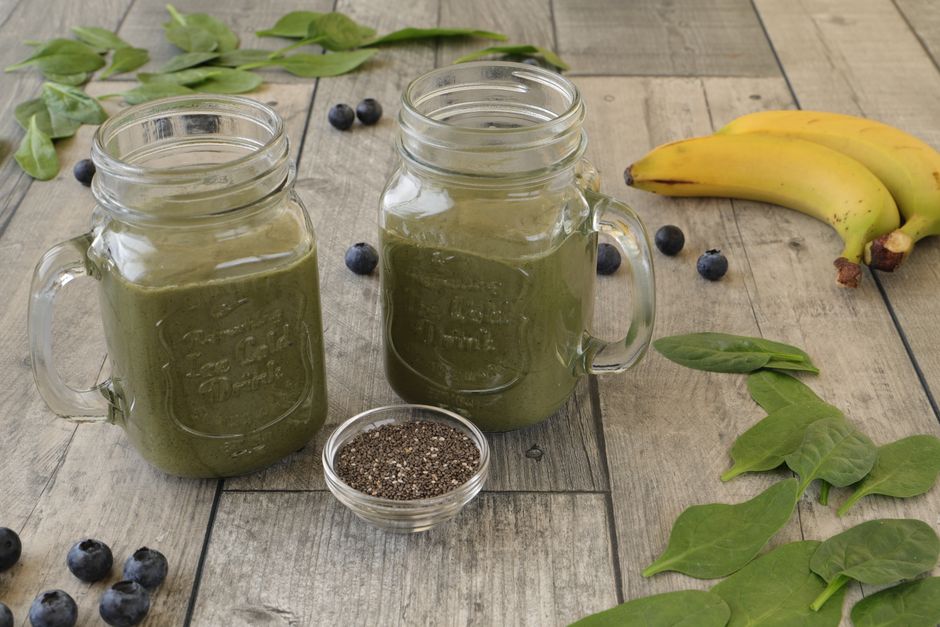
Chia seeds can help with weight loss, but not in the dramatic way many headlines suggest. They work by adding fiber and protein to your diet, which helps you feel fuller longer. The real benefit is modest appetite control, not fat burning or metabolism boosting.
How Do Chia Seeds Affect Your Body Weight?
Chia seeds are tiny black seeds from the Salvia hispanica plant. A one-ounce serving, about two tablespoons, has 138 calories, 10 grams of fiber, and 5 grams of protein. That fiber content is what matters most for weight management.
When you eat chia seeds, the soluble fiber absorbs water and forms a gel. This gel slows down how fast food moves through your digestive system. The result is a longer feeling of fullness after meals. The CDC notes that adults who eat more fiber tend to have lower body weights on average.
The protein in chia seeds also helps. Protein reduces hunger hormones like ghrelin. Together, fiber and protein can lower your total calorie intake for the day without you feeling deprived.
But here is the honest part. The effect is small. You will not lose weight by adding chia seeds to an otherwise unchanged diet. They are a tool, not a solution.
What Does Research on Chia Seed Weight Loss Actually Show?
Several studies have looked at chia seeds and weight loss. The results are mixed at best. A 2017 study published in the journal Nutrients found that people who ate chia seeds daily for 12 weeks lost more belly fat than those who did not. But the total weight loss difference was small, about 2 to 3 pounds.
A larger 2009 study in the journal Nutrition Research gave chia seeds to overweight adults for 12 weeks. The researchers found no difference in body weight or body fat between the chia group and the placebo group. Participants ate about 50 grams of chia seeds daily, roughly five tablespoons.
More recent research from 2021 in Nutrients looked at chia seeds combined with a calorie-restricted diet. People who ate chia seeds lost about 4 pounds more over 12 weeks than those who only cut calories. That is roughly one-third of a pound per week.
The pattern is clear. Chia seeds alone do not cause weight loss. But they can help slightly when combined with a lower-calorie diet. The effect is real but modest.
| Study | Duration | Chia Amount | Weight Loss Result |
|---|---|---|---|
| Nutrients (2017) | 12 weeks | 25g daily | 2-3 lbs more than control |
| Nutrition Research (2009) | 12 weeks | 50g daily | No difference from placebo |
| Nutrients (2021) | 12 weeks | 30g daily with diet | 4 lbs more than diet alone |
Does Chia Seed Help with Weight Loss When Eaten Before Meals?
Some people claim eating chia seeds before a meal reduces how much you eat later. There is some evidence this works, but the effect is short-lived.
A small study from 2017 gave participants chia seeds 30 minutes before breakfast. Those who ate chia seeds consumed about 50 fewer calories at breakfast compared to those who did not. Fifty calories is not much. It is roughly half an apple.
The timing matters. Chia seeds need time to form that gel in your stomach. If you eat them right before a meal, they may not expand enough to create fullness. The American Heart Association recommends eating chia seeds with plenty of water and giving them at least 15 to 20 minutes to work.
A better approach is to eat chia seeds as part of a meal, not before it. Mix them into yogurt, oatmeal, or a smoothie. The fiber and protein combine with the rest of the meal to slow digestion overall.





What Are the Side Effects of Eating Chia Seeds for Weight Loss?
Chia seeds are safe for most people, but they can cause problems if you eat too many too quickly. The most common side effect is digestive discomfort. The high fiber content can cause bloating, gas, and stomach cramps.
The Academy of Nutrition and Dietetics recommends increasing fiber slowly. If you normally eat 15 grams of fiber per day and suddenly jump to 25 grams, your digestive system will protest. Start with one tablespoon of chia seeds per day and increase gradually over two weeks.
There is a more serious risk. Chia seeds expand in liquid. If you eat them dry and then drink water, the seeds can swell in your esophagus and cause a blockage. This is rare but documented. Always soak chia seeds or mix them into moist food before eating.
Some people report allergic reactions, though this is uncommon. Symptoms include hives, itching, and difficulty breathing. If you have a history of seed allergies, talk to your doctor before trying chia seeds.
How to Use Chia Seeds for Weight Loss the Right Way
Using chia seeds effectively means treating them as a small part of a larger plan. Here is what actually works based on the evidence.
- Soak them first. Mix one to two tablespoons of chia seeds with eight to ten ounces of water or milk. Let them sit for 15 minutes. The gel forms and makes the seeds easier to digest.
- Add them to meals, not between them. Stir into oatmeal, yogurt, or a smoothie. This replaces nothing. It adds fiber and protein to what you already eat.
- Use them as an egg substitute in baking. One tablespoon of chia seeds mixed with three tablespoons of water replaces one egg. This cuts calories and adds fiber to muffins and pancakes.
- Drink plenty of water. Fiber needs water to move through your digestive system. Without enough water, chia seeds can cause constipation.
- Keep portions small. Two tablespoons per day is plenty. More does not mean more weight loss. It means more calories and more digestive trouble.
Do not use chia seeds as a meal replacement. They do not have enough protein or fat to sustain you. A chia seed pudding with almond milk and fruit might keep you full for two hours. Then you crash and eat more later.
What to Avoid When Using Chia Seeds for Weight Loss
Several common claims about chia seeds are not backed by evidence. Avoid falling for these.
The idea that chia seeds burn belly fat is not true. No food targets fat loss to a specific body part. Spot reduction is a myth. When you lose weight, you lose it from your whole body. Genetics determine where it comes off first.
The claim that chia seeds suppress appetite for hours is overstated. The fiber effect lasts about two to three hours for most people. That is helpful but not a magic solution. You still need to manage hunger with balanced meals.
Some products sell chia seed weight loss pills or powders with added ingredients. The FDA does not regulate these as strictly as drugs. A 2020 analysis by the Federal Trade Commission found that many weight loss supplements containing chia seeds made claims not supported by research. Stick to plain whole chia seeds.
Chia seeds are also not a replacement for exercise or a balanced diet. The National Institutes of Health states that sustainable weight loss requires a calorie deficit of 500 to 1,000 calories per day. Chia seeds can help you feel full on fewer calories, but they cannot create that deficit alone.
Frequently Asked Questions
Frequently Asked Questions
How much chia seeds should I eat per day for weight loss?
One to two tablespoons per day is the standard recommendation. More than that adds calories without extra weight loss benefit.
Can I eat chia seeds dry?
No. Dry chia seeds can expand in your throat and cause choking. Always soak them in liquid for at least 15 minutes before eating.
Do chia seeds burn belly fat?
No. No food burns fat from a specific body part. Chia seeds can help with overall weight loss by reducing appetite, but they do not target belly fat.
Are chia seeds better than flax seeds for weight loss?
They are similar. Both are high in fiber and protein. Flax seeds have more omega-3s, but chia seeds form a stronger gel. Either can help with fullness.
