
The prostate is a small gland about the size of a walnut located just below the bladder and in front of the rectum in people assigned male at birth. It sits directly in front of the bladder, surrounding the top part of the urethra, the tube that carries urine and semen out of the body. You cannot feel it from outside the body, but a doctor can reach it during a digital rectal exam because it lies only about two inches inside the rectum.
Where exactly is the prostate located in the body?
The prostate sits deep inside the pelvis. Picture the bladder as a balloon. The prostate sits right underneath it, wrapping around the urethra like a doughnut. Behind the prostate is the rectum. In front of it is the pubic bone.
To find it on yourself, locate the base of your penis. Go straight back toward your anus. The prostate lies roughly halfway between those two points, about two inches inside the body. It is not near the surface. You cannot feel it by pressing on your lower belly or your perineum from the outside.
This location matters because it explains why prostate problems affect urination. When the prostate swells, it squeezes the urethra from all sides. Urine has to push through a narrower pipe. That is why men with enlarged prostates often have a weak stream or feel like they cannot empty their bladder completely.
What does the prostate actually do?
The prostate produces about a third of the fluid in semen. That fluid is thin and alkaline. It helps sperm survive the acidic environment of the vagina. Without prostate fluid, sperm would die much faster after ejaculation.
The gland also contains smooth muscle tissue. During ejaculation, that muscle contracts and helps push semen through the urethra. The prostate also has a valve-like function. It closes off the opening to the bladder during ejaculation so semen goes out the penis instead of backward into the bladder.
Current research suggests the prostate may also play a role in urine control, though this is less well understood. The muscle fibers around the prostate help keep the urethra closed when you are not urinating. When those fibers weaken with age, some men develop incontinence.
How does the prostate change with age?
The prostate is small at birth. During puberty, testosterone causes it to grow to about walnut size. It stays roughly that size through your twenties and thirties. Then for most men, it starts growing again around age forty.
This second growth phase is called benign prostatic hyperplasia, or BPH. It is not cancer. It is just the gland getting larger. By age sixty, about half of men have some degree of BPH. By age eighty-five, about ninety percent do.
As the prostate enlarges, it squeezes the urethra tighter. This causes the lower urinary tract symptoms many older men experience: getting up at night to pee, a weak stream, dribbling at the end, feeling like you need to go again right after you just went. These symptoms are common but not normal. They can be treated.
Prostate cancer is a separate condition. It also becomes more common with age, but it does not always cause symptoms. Many prostate cancers grow so slowly that they never become a problem. The challenge is telling the slow ones apart from the aggressive ones.



What are the common signs of prostate problems?
Prostate issues usually show up in how you urinate. The most common early sign is getting up more than once a night to pee. Other signs include a stream that starts and stops, straining to start peeing, or feeling like you cannot fully empty your bladder.
Pain or burning during urination can mean infection or inflammation of the prostate, called prostatitis. Blood in the urine or semen is less common but should always be checked. Sudden inability to urinate at all is a medical emergency.
Prostate cancer often has no symptoms in early stages. That is why screening is based on age and risk factors, not symptoms. When prostate cancer does cause symptoms, they can include blood in the urine, pain in the lower back or hips, and trouble getting or keeping an erection.
| Symptom | More Likely BPH | More Likely Prostatitis | More Likely Cancer |
|---|---|---|---|
| Weak urine stream | Yes | Sometimes | Sometimes |
| Pain during urination | Rare | Yes | Rare |
| Blood in urine or semen | Rare | Possible | Possible |
| Lower back or hip pain | No | No | Possible |
| Fever or chills | No | Yes | No |
How is the prostate examined and tested?
The digital rectal exam, or DRE, is the most direct way to feel the prostate. The doctor inserts a lubricated gloved finger into the rectum and feels the back surface of the gland. They check for size, firmness, and any hard lumps. The exam takes about ten seconds. It is uncomfortable but not painful for most men.
The PSA blood test measures prostate-specific antigen, a protein made by the prostate. Higher levels can indicate BPH, prostatitis, or cancer. But PSA is not a perfect test. It can be high when nothing is wrong and normal when cancer is present. Current research suggests that using PSA alone leads to many unnecessary biopsies.
If either test is concerning, the next step is usually an MRI of the prostate. MRI gives a detailed picture of the gland and can show suspicious areas. If the MRI finds something, a targeted biopsy takes small samples from those exact spots. This approach is more accurate than the older method of random biopsies.
As of 2026, most guidelines recommend that men discuss screening with their doctor starting at age fifty. Men at higher risk, including Black men and those with a family history of prostate cancer, should start at age forty-five.
What can you do to keep your prostate healthy?
There is no proven way to prevent prostate problems entirely. But some things are linked to lower risk. A diet high in vegetables, especially cooked tomatoes and cruciferous vegetables like broccoli, is associated with lower rates of prostate cancer in some studies. The evidence is not strong enough to call it a guarantee, but it is a reasonable choice.
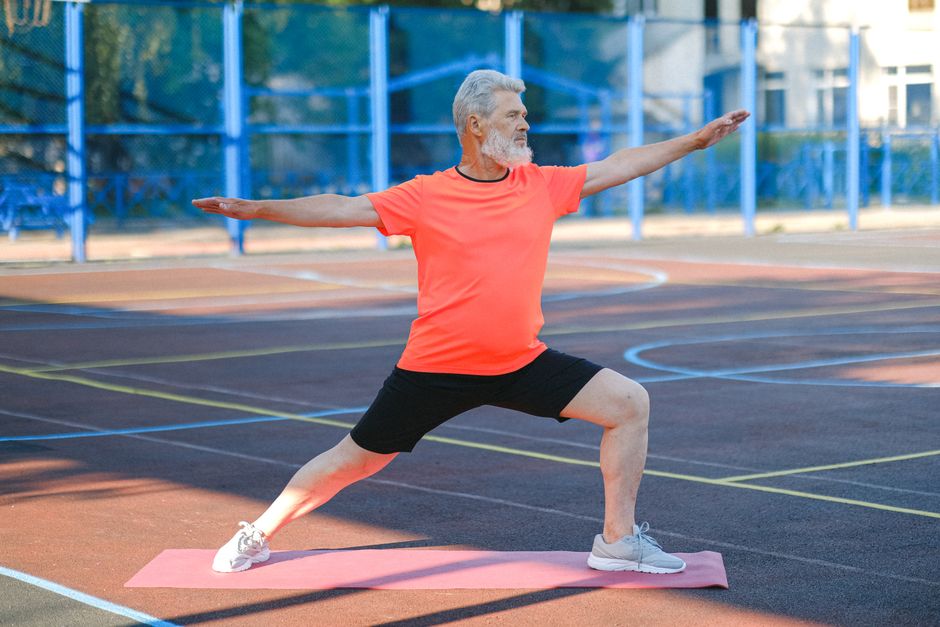
Exercise matters too. Men who are physically active have lower rates of BPH symptoms and possibly lower rates of aggressive prostate cancer. The mechanism is not fully understood, but better blood flow and lower inflammation likely play a role.
What does not work is taking saw palmetto. Despite decades of use and many studies, high-quality research shows it does not improve urinary symptoms from BPH better than a placebo. Zinc supplements in high doses have also been linked to increased prostate cancer risk in some studies, not decreased.
- Eat more vegetables, especially cooked tomatoes and broccoli
- Stay physically active with at least 30 minutes of walking most days
- Limit red meat and full-fat dairy
- Maintain a healthy body weight
- Avoid smoking and limit alcohol
Frequently Asked Questions About is the prostate
Can you feel your own prostate from outside the body?
No. The prostate sits too deep in the pelvis to be felt from the outside. Only a doctor can reach it during a digital rectal exam.
Is the prostate the same thing as the bladder?
No. The bladder holds urine. The prostate sits below the bladder and surrounds the urethra. They are separate organs that are located next to each other.
Does everyone have a prostate?
No. Only people assigned male at birth have a prostate. People assigned female at birth do not have a prostate gland.
What does it feel like when a doctor checks your prostate?
It feels like pressure inside the rectum. Most men describe it as uncomfortable rather than painful. The exam usually lasts less than thirty seconds.
