
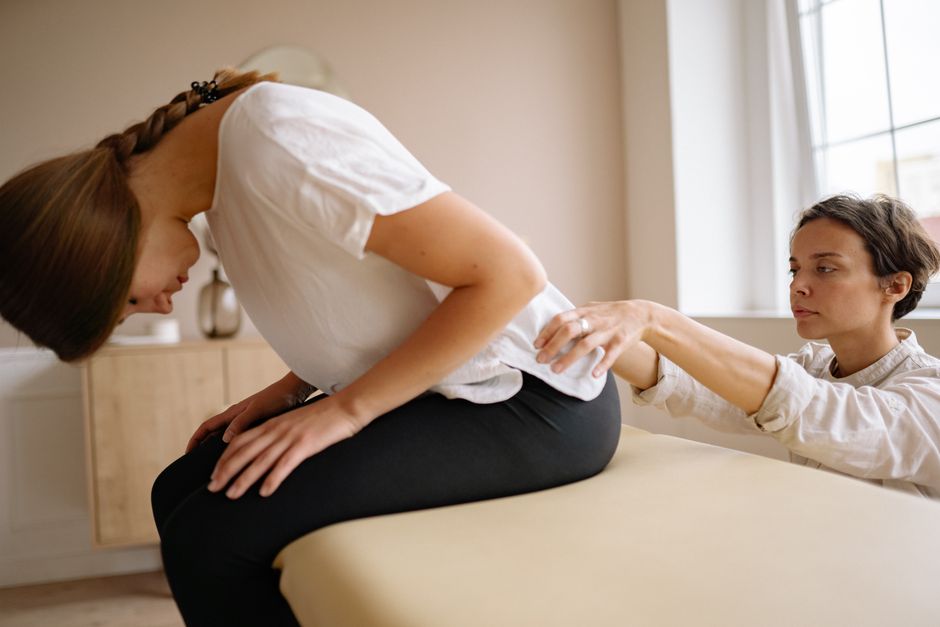
Kidney pain is not the same as back pain, though many people mix them up. Kidney pain sits high and deep, usually on one side of your back just under your ribs. Back pain from muscles or spine tends to stay lower in the back and feels more like a dull ache across a wide area. The location is the biggest clue — kidney pain is typically one-sided and does not shift when you move.
Where Exactly Is Kidney Pain Located?
Kidney pain lives in a specific spot. Place your hands on your lower ribs at the back of your body. Now slide them down a few inches toward your waist. That area, just below the ribs and above the hips, is where kidneys sit. Pain from a kidney issue is almost always on one side only. It can wrap around to your belly or groin but stays mostly in that small upper back zone.
Muscle back pain, by contrast, can show up anywhere from your neck to your tailbone. It often covers a larger area and may move when you stretch or change positions. Kidney pain does not move much when you shift your body. It stays put. The National Kidney Foundation notes that kidney pain is often described as a dull ache deep inside, not a surface-level soreness you can rub away.
How Can You Tell Kidney Pain from Muscle Back Pain?
The difference comes down to three things: location, what triggers it, and what else is happening in your body. Kidney pain does not get worse when you twist your torso or bend over. Muscle pain usually does. If touching or pressing on the spot makes it feel better, that points to muscle. Kidney pain is deep — pressing from the outside does not change it much.
Fever, chills, nausea, or pain when you pee are red flags for a kidney problem. Research published in American Family Physician found that patients with kidney infections often report a fever alongside their back pain. Muscle back pain rarely comes with a fever. If you have back pain plus a temperature over 100.4°F, that is a sign to see a doctor quickly.
What Causes Kidney Pain?
Kidney stones are the most common cause of kidney pain. These are hard mineral deposits that form inside the kidney. When a stone moves or blocks urine flow, it creates sharp, intense pain that comes in waves. The pain can be so severe that people vomit or cannot sit still. The CDC reports that about 1 in 10 people will have a kidney stone at some point.
Kidney infections are the second most common cause. Bacteria travel from the bladder up into the kidney. This causes swelling and pain in the affected kidney. Other causes include bleeding into the kidney, a cyst that has grown large, or in rare cases a tumor. Dehydration raises your risk for both stones and infections. Drinking enough water every day is one of the few things with solid evidence behind it for prevention.





Is Back Pain from Kidneys a Sign of Something Serious?
It can be, but most kidney pain is from treatable conditions like stones or infections. The serious concern is when a kidney infection goes untreated. Sepsis can develop if bacteria spread from the kidney into your bloodstream. This is rare but life-threatening. Signs of sepsis include confusion, rapid breathing, and a very high fever.
Kidney cancer is another serious possibility, though it is much less common. According to the American Cancer Society, about 81,000 new cases of kidney cancer are diagnosed each year in the United States. That is a small number compared to the millions of people who get kidney stones. Blood in your urine, unexplained weight loss, or a lump in your side are warning signs that need immediate medical attention.
Most people with back pain from kidneys do not have cancer. But if your pain has been there for weeks and you also feel tired or have lost weight without trying, get checked. The earlier kidney issues are caught, the better the outcomes.
What Should You Do If You Think Your Back Pain Is from Kidneys?
See a doctor. This is not something to wait out at home with ibuprofen and hope. Kidney infections can get worse fast. The doctor will order a urine test and possibly an ultrasound or CT scan. These tests can tell if stones, infection, or something else is causing the pain.
While waiting for your appointment, drink water. Staying hydrated helps your kidneys flush out bacteria and small stones. Do not take herbal supplements that claim to “cleanse” your kidneys. Most of these have no evidence behind them. Some can even harm your kidneys. The National Institutes of Health warns that certain herbal products can interact with prescription medications or worsen kidney function.
If your pain comes with fever, vomiting, or inability to pee, go to the emergency room. Do not wait for a primary care appointment. These are signs of a blocked kidney or severe infection that needs hospital treatment.
| Symptom | More Likely Kidney | More Likely Muscle |
|---|---|---|
| Pain location | High back, one side only | Lower or mid back, both sides |
| Pain with movement | No change | Worse with bending or twisting |
| Fever or chills | Common | Rare |
| Pain when urinating | Common with stones or infection | Not present |
| Feels better with rest | Not usually | Often |
Can You Treat Kidney Pain at Home?
For small kidney stones, some people can pass them at home. The doctor may tell you to drink lots of water and take pain relievers. Stones smaller than 5 millimeters pass on their own about 80% of the time, according to research in the New England Journal of Medicine. Larger stones often need medical procedures to break them up or remove them.
For kidney infections, home treatment is not an option. You need antibiotics prescribed by a doctor. Mild infections can be treated with oral antibiotics at home. Severe infections may require IV antibiotics in the hospital. Never try to treat a suspected kidney infection with home remedies alone. This is one situation where natural approaches are not enough.
Heat packs on the painful area can sometimes help with the ache, but they do not fix the underlying problem. Over-the-counter pain relievers like acetaminophen are safe for most people with kidney issues. Avoid NSAIDs like ibuprofen if you already have kidney disease — they can make it worse. Check with your doctor if you are unsure.
Common Misconceptions About Kidney Pain
A big myth is that kidney pain always means you have kidney disease. Most kidney pain comes from stones or infections, not chronic kidney disease. Early kidney disease often has no pain at all. The CDC estimates that 9 out of 10 people with early kidney disease do not know they have it. They find out through blood tests done for other reasons.
Another misconception is that drinking cranberry juice can treat a kidney infection. Cranberry juice may help prevent bladder infections in some people. There is no good evidence it can treat an established infection anywhere in the urinary tract, including the kidneys. If you have a kidney infection, you need antibiotics.
Some people think back pain from kidneys will go away on its own if they just rest. This is dangerous. Kidney infections do not resolve without treatment. Kidney stones can get stuck and cause permanent damage to the kidney. Resting at home for a week with kidney pain could let a treatable problem become a serious one.
What to Avoid When You Have Kidney Pain
Avoid taking herbal supplements without medical guidance. Some herbs like goldenseal or juniper berry are promoted for kidney health but can actually worsen kidney function. The FDA does not regulate supplements the same way it regulates drugs. What is on the label may not match what is in the bottle.
Avoid holding in your urine. When you need to pee, go. Holding urine increases pressure in the bladder and can push bacteria up into the kidneys. This is especially important if you already have a bladder infection. Emptying your bladder regularly helps prevent kidney infections from developing.
Avoid high-sodium foods. Salt makes your kidneys work harder. If you have kidney stones, too much salt can increase the amount of calcium in your urine, which promotes stone formation. The American Heart Association recommends keeping sodium under 2,300 milligrams per day. Most Americans eat well above that.
Do not ignore blood in your urine. Even if the blood goes away on its own, see a doctor. Blood can come and go with kidney stones, but it can also be a sign of cancer. Never assume it is nothing without a medical evaluation.
Frequently Asked Questions
Where do you feel back pain from kidneys?
Kidney pain is felt high in the back, just under the ribs on one side. It can also radiate around to the front of your abdomen or down toward your groin.
Can kidney pain feel like a muscle strain?
Yes, some people describe kidney pain as a dull ache similar to a muscle strain. But kidney pain does not change when you move, while muscle strain usually hurts more with movement.
How long does kidney pain last?
It depends on the cause. Kidney infection pain lasts until antibiotics start working, usually within a few days. Kidney stone pain can last hours to weeks depending on whether the stone passes.
Is it safe to take pain relievers for kidney pain?
Acetaminophen is generally safe for most people. Avoid ibuprofen and other NSAIDs if you have kidney disease. Ask your doctor before taking any pain medication if you have kidney issues.
