
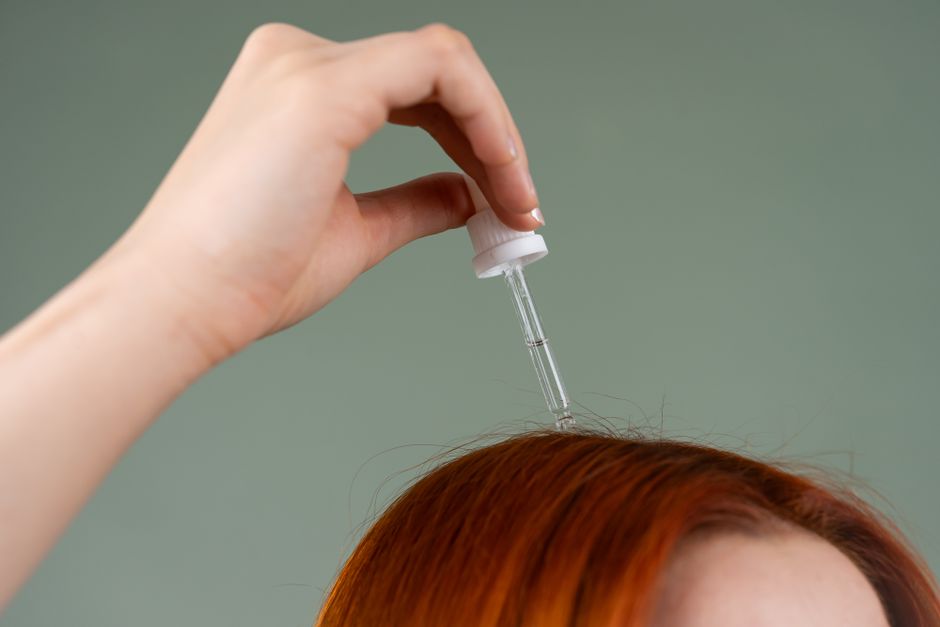
L-cysteine is a non-essential amino acid that your body can produce on its own, but it also comes from a surprising range of sources. The most common commercial sources are human hair, duck feathers, and pig bristles, which are processed to extract the amino acid for use in food and supplements. Your body also gets cysteine from high-protein foods like poultry, eggs, dairy, and legumes, and it manufactures its own supply from other amino acids when needed.
Why Is L-Cysteine Made From Hair and Feathers?
The keratin protein in hair, feathers, and hooves is packed with cysteine. Keratin is the same structural protein that makes up your fingernails and the outer layer of your skin. Because keratin is so rich in cysteine, these animal byproducts are the most economical raw materials for commercial extraction.
Manufacturers hydrolyze the keratin — essentially breaking it down with acid, heat, or enzymes — to release the individual amino acids. The resulting L-cysteine is then purified and sold as a food additive or supplement ingredient. This process is not new. The commercial extraction of cysteine from human hair has been standard practice for decades, particularly in China, which is the world’s largest producer.
For people who follow kosher, halal, or vegetarian dietary rules, this is a genuine concern. Cysteine derived from human hair or pig bristles is not acceptable under many religious dietary laws. Vegetarians and vegans also typically avoid it, though some manufacturers now produce cysteine through fermentation using plant-based or microbial processes.
What Foods Naturally Contain L-Cysteine?
Your body does not need to rely on supplements to get cysteine. Many everyday foods provide it in meaningful amounts. High-protein animal foods are the richest sources.
- Poultry — chicken and turkey breast contain substantial cysteine
- Eggs — especially the whites
- Dairy — yogurt, milk, and cheese
- Pork and beef
- Fish and seafood
Plant sources include legumes, particularly soybeans and lentils, as well as oats, wheat germ, and broccoli. The cysteine content in plants is generally lower than in animal products, but a varied diet easily covers your needs. The average adult needs about 200-300 milligrams of cysteine per day, though the body also synthesizes it from methionine, another amino acid, so a precise dietary target is not critical for healthy people.
One important note: cooking methods matter. High heat can degrade cysteine, but normal cooking temperatures do not meaningfully reduce your intake. There is no evidence that raw food diets provide significantly more cysteine than cooked diets.
How Does Your Body Make L-Cysteine on Its Own?
Your liver produces cysteine from methionine through a multi-step process called transsulfuration. Methionine is an essential amino acid, which means you must get it from food — your body cannot make it from scratch. Assuming your methionine intake is adequate, your liver converts it to cysteine as needed.
This is why cysteine is classified as conditionally essential. In healthy adults, the body produces enough. But under certain conditions, the demand for cysteine can outpace production. Premature infants, people with severe liver disease, and individuals under extreme metabolic stress may not synthesize enough cysteine to meet their needs. In these cases, dietary cysteine becomes essential.
The conversion process also requires vitamin B6, so a severe B6 deficiency can impair cysteine production. This is rarely a practical concern in well-nourished populations, but it illustrates how interconnected nutrient pathways are.




What Does L-Cysteine Do in the Body?
Cysteine serves several important biological roles. Its most notable function is as a building block for glutathione, one of your body’s primary antioxidant defenses. Glutathione neutralizes free radicals and helps recycle other antioxidants like vitamin C and vitamin E. Low glutathione levels are associated with oxidative stress, which is linked to many chronic conditions.
Cysteine is also a component of keratin, which is why it matters for hair and nail health. Hair is approximately 15% cysteine by weight, and the disulfide bonds formed between cysteine molecules give hair its strength and structure. This is the same chemistry that hair straightening and perming treatments exploit — they break and reform these bonds.
Additionally, cysteine contributes to the structure of many enzymes and proteins throughout the body. It plays a role in detoxification pathways in the liver and helps maintain the proper shape of proteins through those same disulfide bonds.
One common claim is that cysteine supplements prevent hangovers by helping the liver process acetaldehyde, a toxic byproduct of alcohol metabolism. Some research does support this mechanism, but the evidence for meaningful hangover prevention in humans is limited. No major clinical guideline recommends cysteine for hangover prevention.
Should You Take L-Cysteine Supplements?
For most healthy adults, cysteine supplements are unnecessary. Your body produces what it needs, and a normal diet provides adequate amounts. The evidence that supplemental cysteine improves health outcomes in well-nourished people is thin.
N-acetylcysteine (NAC) is a more common supplement form. NAC is a cysteine derivative that is better absorbed than L-cysteine alone. It is used in hospitals as an antidote for acetaminophen overdose and is sometimes prescribed for conditions involving mucus buildup, like chronic bronchitis. As a supplement, NAC has been studied for psychiatric conditions, liver disease, and fertility issues, but results are mixed and no broad recommendation exists.
If you are considering cysteine or NAC supplements, consult a healthcare provider first. High doses can cause nausea, vomiting, and gastrointestinal distress. People with kidney stones should be especially cautious — cysteine can increase oxalate excretion, which may raise stone risk. No clinical guidelines currently exist for L-cysteine supplementation in healthy adults because the evidence does not support a specific dose.
The supplement industry often markets cysteine for hair growth. The logic seems straightforward — hair is made of keratin, and keratin needs cysteine. But no large human trials have confirmed that oral cysteine supplements promote hair growth in people who are not deficient. Hair loss is complex and usually involves genetics, hormones, and other factors. If you have concerns about hair thinning, see a dermatologist rather than self-prescribing amino acid supplements.
Are There Risks From Cysteine in Food Additives?
Cysteine is used as a dough conditioner in commercial bread and baked goods. It reduces mixing time and improves dough elasticity. The U.S. Food and Drug Administration classifies it as generally recognized as safe (GRAS) at the levels used in food production.
People who object to animal-derived cysteine on ethical or religious grounds can look for bread labeled as kosher, halal, or vegan. These products typically use fermentation-derived cysteine or no cysteine at all. Some commercial bakeries have switched to fermentation-derived cysteine to accommodate these concerns.
It is worth noting that the amount of cysteine used in bread is tiny — typically a few parts per million. Even if you eat bread daily, the cysteine from dough conditioners is negligible compared to what you get from protein foods. It is not a health concern; the issue is purely one of personal values and dietary laws.
Frequently Asked Questions
Is L-cysteine from hair safe to eat?
Yes, the extraction and purification process removes contaminants, and regulatory agencies like the FDA consider food-grade L-cysteine safe. The final product is a purified amino acid, not hair itself.
Can vegetarians take L-cysteine supplements?
Only if the product specifies it is plant-based or fermentation-derived. Many supplements use animal-based cysteine, so check the label or contact the manufacturer directly.
Does L-cysteine help hair grow?
No large human trials have confirmed that cysteine supplements promote hair growth in people without a deficiency. Hair loss usually has multiple causes, and amino acid supplements are not an established treatment.
What is the difference between L-cysteine and NAC?
NAC (N-acetylcysteine) is a modified form of cysteine that is better absorbed and more stable. It is used clinically as an antidote for acetaminophen overdose and studied for other conditions, but it is not the same compound as plain L-cysteine.
