
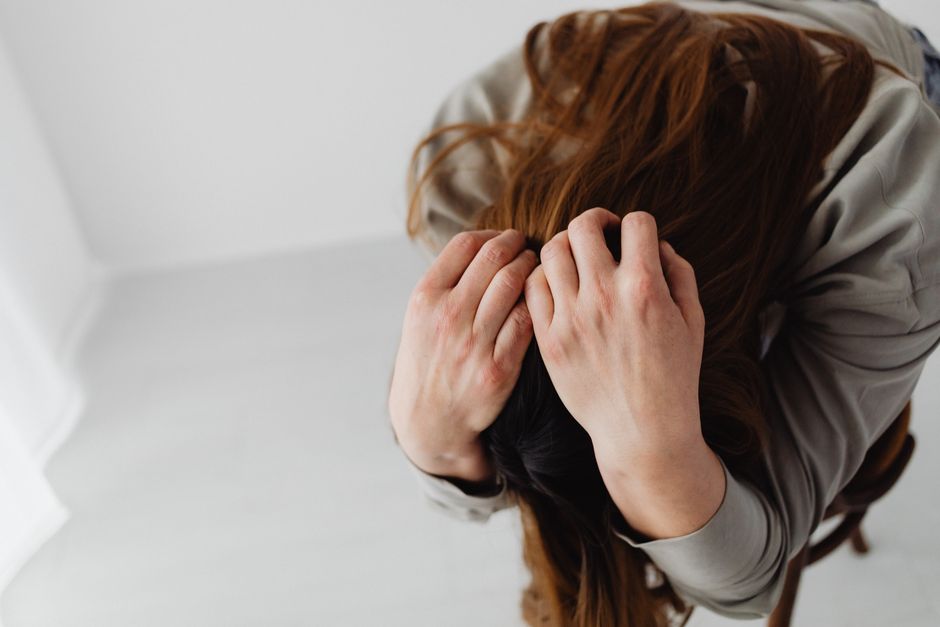
Anxiety is not just in your head. It is a full-body experience. When your brain perceives a threat, your nervous system shifts into high gear, and that response ripples through nearly every organ system. Most people feel anxiety in their chest, stomach, and throat first, but the exact location and sensation vary from person to person.
Where Do You Feel Anxiety in Your Body?
The most common physical locations for anxiety are the chest, stomach, and head. But anxiety can also show up as tension in the shoulders, a tight jaw, shallow breathing, or a racing heart.
These sensations are not imaginary. They are the result of your autonomic nervous system releasing stress hormones like adrenaline and cortisol. These hormones prepare your body to fight or flee, even when the threat is a deadline, a difficult conversation, or a crowded store.
Your body does not know the difference between a physical threat and a psychological one. It responds the same way. That is why you can feel the physical effects of anxiety even when you know logically there is nothing dangerous happening.
Why Does Anxiety Cause Physical Symptoms?
The physical symptoms of anxiety begin in the brain. The amygdala, a small almond-shaped structure deep in the brain, detects potential threats. When it signals danger, it activates the sympathetic nervous system.
This activation triggers a cascade of physical changes. Your heart beats faster. Your breathing quickens. Blood flows away from your digestive system and toward your large muscles. Your pupils dilate. Your muscles tense, ready to move.
These changes are helpful in a real emergency. They let you run faster and react quicker. But when anxiety is chronic or triggered by everyday stressors, the same responses become uncomfortable and exhausting.
One lesser-known detail: your gut has its own nervous system. It is called the enteric nervous system, and it contains hundreds of millions of neurons. This is why anxiety so often causes stomach problems. Your brain and your gut are in constant communication through the vagus nerve.
Anxiety in the Chest and Heart
Chest tightness and a racing heart are among the most alarming physical symptoms of anxiety. Your heart rate increases because stress hormones tell it to pump more blood to your muscles. This is a normal response, but it can feel frightening.
Some people experience what is called a racing heartbeat, palpitations, or a feeling that their heart is skipping beats. These sensations can be intense. They are common in anxiety and panic attacks.
Because chest pain can also signal a heart problem, it is important to take it seriously. If you have chest pain that is new, severe, or accompanied by shortness of breath, dizziness, or pain spreading to your arm or jaw, seek medical attention immediately.
If a doctor has evaluated you and confirmed your heart is healthy, then chest tightness from anxiety is not dangerous. But it is uncomfortable, and it can make you feel like you cannot breathe, which increases anxiety further.





Anxiety in the Stomach and Digestive System
The gut-brain connection is real and powerful. Anxiety can cause nausea, stomach cramps, diarrhea, constipation, and loss of appetite. Some people feel a knot in their stomach. Others feel like they need to use the bathroom urgently.
Stress hormones slow down or speed up digestion depending on the situation. In the short term, digestion slows because blood is diverted to muscles. In some people, stress speeds up bowel movements, leading to diarrhea.
Chronic anxiety is also linked to conditions like irritable bowel syndrome, or IBS. The relationship is bidirectional. Anxiety can worsen IBS symptoms, and IBS symptoms can increase anxiety. This creates a cycle that can be hard to break without addressing both the digestive symptoms and the anxiety.
If stomach symptoms are your main anxiety symptom, you are not alone. Many people experience anxiety primarily through their digestive system. Keeping a symptom diary can help you notice patterns and identify your specific triggers.
Anxiety in the Head, Neck, and Jaw
Headaches are a common anxiety symptom. Muscle tension in the neck and shoulders can pull on the base of the skull, causing tension headaches. These often feel like a tight band around the head.
Jaw clenching and teeth grinding are also common. Many people clench their jaw during the day without realizing it, or grind their teeth at night. This can lead to jaw pain, facial soreness, and worn-down teeth.
Lightheadedness and dizziness can also occur. Rapid breathing, or hyperventilation, changes the balance of oxygen and carbon dioxide in your blood. This can make you feel faint, woozy, or like the room is spinning.
These sensations are unpleasant, but they are not dangerous. When your breathing slows down and your nervous system calms, the dizziness typically resolves on its own.
Anxiety in the Muscles and Skin
Muscle tension is one of the most overlooked symptoms of anxiety. Your muscles stay partially contracted when your body is in a state of alert. Over time, this leads to soreness, stiffness, and fatigue.
The shoulders, neck, back, and jaw are the most common areas for anxiety-related muscle tension. Some people also experience trembling or shaking, especially in the hands or legs. This happens because stress hormones stimulate your muscles to stay ready for action.
Your skin can react to anxiety too. Sweating, especially on the palms, soles, and underarms, is a direct result of sympathetic nervous system activation. Some people develop flushing, redness, or even hives during periods of high stress.
These symptoms are temporary. They typically fade as the stress response subsides. But if they occur frequently, they can interfere with daily life and self-confidence.
How to Tell If Your Symptoms Are Anxiety or Something Else
Physical symptoms of anxiety overlap with symptoms of many medical conditions. Heart palpitations can be caused by thyroid problems, anemia, or caffeine. Stomach pain can be caused by infections, food intolerances, or ulcers. Headaches can have many causes beyond stress.
This is why a medical evaluation is important. If you are experiencing new or worsening physical symptoms, see a doctor. They can run tests to rule out other conditions.
Once medical causes are excluded, your symptoms may be attributed to anxiety. This is not a dismissal of your experience. It is an accurate diagnosis based on the evidence.
Keep in mind that anxiety and medical conditions can coexist. You can have both an anxiety disorder and a digestive condition, for example. Treating one may improve the other, but both may need attention.
What You Can Do About Physical Anxiety Symptoms
If anxiety is causing physical symptoms, there are strategies that can help. These are not cures, but they can reduce the intensity and frequency of symptoms.
- Slow breathing. Exhaling longer than you inhale activates the parasympathetic nervous system, which calms the body. Try breathing in for four counts and out for six counts.
- Progressive muscle relaxation. Tense and then release each muscle group, starting with your feet and working up to your face. This helps release stored tension.
- Regular movement. Walking, stretching, or any gentle exercise helps burn off stress hormones like adrenaline.
- Limit caffeine and alcohol. Both can trigger or worsen physical anxiety symptoms, especially heart palpitations and stomach issues.
- Grounding techniques. Focus on what you can see, hear, touch, and smell around you. This shifts attention away from bodily sensations.
These techniques work best when practiced regularly, not just during moments of high anxiety. Think of them as training for your nervous system.
If physical symptoms are frequent, severe, or interfering with your life, professional help is appropriate. Cognitive behavioral therapy, or CBT, is one of the most well-studied treatments for anxiety. It helps you change the thought patterns that drive the physical response.
Some people also benefit from medication. Selective serotonin reuptake inhibitors, or SSRIs, are commonly prescribed for anxiety. They do not work immediately, but they can reduce symptoms over several weeks. Always discuss medication options with a qualified healthcare provider.
When to See a Doctor About Anxiety Symptoms
Occasional anxiety is a normal part of life. But you should consider seeing a doctor if your physical symptoms are persistent, worsening, or causing you to avoid daily activities.
Seek immediate medical care if you have chest pain, difficulty breathing, fainting, or severe abdominal pain. These symptoms require urgent evaluation regardless of whether you think they are anxiety-related.
Anxiety is treatable. The physical symptoms can improve with the right approach. You do not have to simply endure them.
Frequently Asked Questions
Where is anxiety most commonly felt in the body?
Most people feel anxiety in the chest, stomach, and head. Common sensations include chest tightness, stomach cramps, headaches, and a racing heart.
Can anxiety cause physical pain?
Yes. Muscle tension from anxiety can cause pain in the neck, shoulders, back, and jaw. Some people also experience headaches and stomach pain.
Why does anxiety cause stomach problems?
Stress hormones affect digestion directly. The gut has its own nervous system that communicates with the brain, which is why anxiety often triggers nausea, cramps, or diarrhea.
How long do physical symptoms of anxiety last?
Physical symptoms usually fade within minutes to hours after the stress response subsides. If symptoms persist for weeks or keep returning, it may be worth discussing treatment options with a doctor.
