
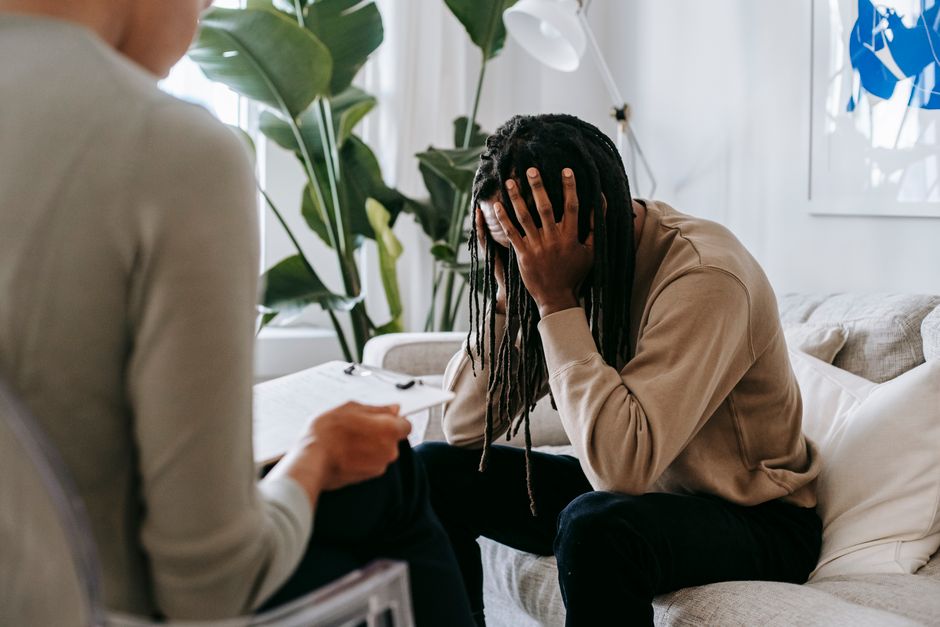
Sexual anxiety is common, and it is treatable. Experts recommend a combination of practical strategies, open communication, and professional support to help you manage the fear and tension that can arise around sex. The goal is not to eliminate all nerves but to change how you respond to them, allowing you to be present and connected rather than caught in a loop of worry.
What Does Sexual Anxiety Actually Feel Like?
Sexual anxiety is the fear or worry that interferes with your ability to enjoy or engage in sexual activity. It can show up as racing thoughts, a rapid heartbeat, or a feeling of being “stuck” in your head instead of in your body. For some, it happens before sex. For others, it strikes during the act itself.
The experience is deeply personal. You might worry about performance, body image, your partner’s expectations, or past experiences. These worries can trigger a physical response—like losing an erection, difficulty becoming aroused, or pain—which then fuels more anxiety. It becomes a cycle where the fear of the problem makes the problem worse.
Understanding that this is a physiological response, not a personal failing, is the first step. Your body’s nervous system is reacting to a perceived threat, even if that threat is just a thought. Recognizing this can help you step back from the shame and start addressing the root cause.
Why Does Performance Pressure Make It Worse?
Performance pressure is one of the most common drivers of sexual anxiety. When you shift your focus from pleasure to “doing it right,” you invite anxiety in. This is especially true for men who worry about maintaining an erection or lasting long enough, and for women who worry about reaching orgasm or being judged.
This pressure often comes from unrealistic expectations. Pornography, cultural messaging, and even well-meaning conversations with friends can create a mental checklist of how sex “should” go. When reality doesn’t match that script, anxiety spikes.
The fix is not to try harder. It is to redirect your attention. Instead of aiming for a specific outcome, focus on sensation. Notice the warmth of your partner’s skin, the rhythm of your breathing, or the simple pleasure of touch. This is a skill called mindfulness, and it directly counteracts the mental chatter that fuels performance anxiety.
How Can You Get Over Sexual Anxiety by Communicating?
Talking about your anxiety is uncomfortable, but it is one of the most effective tools you have. Keeping your worry a secret gives it power. When you name it out loud, you take away some of its control.
Start small. You do not need to announce your deepest fears in the middle of intimacy. Instead, find a calm moment outside the bedroom. Use “I” statements to express your feelings without blaming your partner. For example, “I get anxious about losing my erection, and it helps when we slow down” is more productive than “You rush me.”
Be honest about what you need. Maybe you need more foreplay, less pressure to orgasm, or permission to stop if it does not feel good. A supportive partner will want to know how to help you feel safe. If you are not in a relationship, this same honesty applies to casual partners—clear consent and communication about boundaries can significantly reduce anxiety.





What Practical Techniques Help You Get Over Sexual Anxiety?
Beyond communication, there are concrete techniques that experts recommend for managing anxiety in the moment. These are not quick fixes, but they are reliable tools you can practice.
- Deep breathing: Slow, deep breaths activate your parasympathetic nervous system, which calms your body’s “fight or flight” response. Try inhaling for four counts, holding for four, and exhaling for six.
- Sensate focus: This is a structured exercise where partners take turns touching each other without the goal of sex or orgasm. It removes performance pressure and rebuilds a foundation of pleasure and connection.
- Grounding: When your mind starts to spiral, bring your attention to your physical senses. What do you hear? What do you feel? What do you smell? This anchors you in the present moment.
- Progressive muscle relaxation: Tense and then release different muscle groups in your body. This helps you notice where you are holding tension and consciously let it go.
These techniques work because they break the cycle of anxious thoughts. They give your brain a new job to do, which interrupts the automatic worry response. With practice, they become more natural and effective.
When Should You Seek Professional Help?
Self-help strategies are valuable, but they are not always enough. If sexual anxiety is causing significant distress, affecting your relationships, or leading you to avoid intimacy altogether, it is time to consider professional support.
Therapists and sex therapists are trained to help with these exact issues. Cognitive behavioral therapy (CBT) is particularly effective for anxiety. It helps you identify and challenge the negative thought patterns that drive your fear. Mindfulness-based therapies also show strong results for sexual concerns.
There is also a medical component to consider. In some cases, physical issues like erectile dysfunction, vaginal dryness, or hormonal imbalances can trigger or worsen anxiety. A healthcare provider can rule out or treat these underlying conditions. They can also discuss whether medication, such as short-term anti-anxiety drugs, might be appropriate in your specific situation. This decision should always be made with a qualified professional, never on your own.
Seeking help is not a sign of failure. It is a sign that you are taking your well-being seriously. Many people find that a few sessions with a specialist make a dramatic difference.
Is It Normal to Have Sexual Anxiety in a Long-Term Relationship?
Yes. Many people assume that sexual anxiety disappears once you are comfortable with a partner. That is not always true. Long-term relationships can bring their own pressures, such as fear of boredom, changes in desire, or the weight of expectations after years together.
Anxiety can also resurface after major life events. Pregnancy, childbirth, illness, or aging can change your body and your relationship to sex. These transitions are normal, and so is the anxiety that sometimes comes with them.
The key is to treat anxiety as a signal, not a verdict. It is telling you that something needs attention. Maybe you need more variety, more emotional connection, or simply more time to adjust to a new phase of life. Naming the need is the first step toward addressing it.
What Role Does Self-Compassion Play?
Self-compassion is often the missing piece in recovery from sexual anxiety. Many people respond to their anxiety with harsh self-criticism. They tell themselves they are broken, inadequate, or unattractive. This inner voice only deepens the shame and fuels the cycle.
Treat yourself with the same kindness you would offer a friend. If a friend told you they were anxious about sex, you would not mock them. You would reassure them. You would remind them that they are human and that anxiety is a common experience.
Give yourself that same reassurance. Remind yourself that your worth is not tied to your sexual performance. Remind yourself that you are allowed to be a work in progress. This shift in self-talk can reduce the intensity of anxiety and make it easier to practice the other techniques.
Frequently Asked Questions
How long does it take to get over sexual anxiety?
There is no set timeline, but many people notice improvement within a few months of consistent practice and communication. The duration depends on the root cause and whether you are using effective strategies or seeking professional support.
Can sexual anxiety cause physical symptoms like losing an erection?
Yes, anxiety can directly cause physical symptoms such as losing an erection, difficulty with arousal, or vaginal tightness. This happens because anxiety activates the nervous system’s stress response, which interferes with the relaxation needed for sexual function.
Is medication helpful for sexual anxiety?
Medication can be helpful in some cases, but it is not a first-line treatment for everyone. A doctor may prescribe short-term anti-anxiety medication or treat an underlying condition, but therapy and behavioral techniques are usually the primary approach.
Should I tell my partner about my sexual anxiety?
Yes, telling your partner is generally recommended because secrecy tends to worsen anxiety. Sharing your feelings in a calm, non-blaming way can build trust and allow your partner to support you, which often reduces the pressure you feel.
