
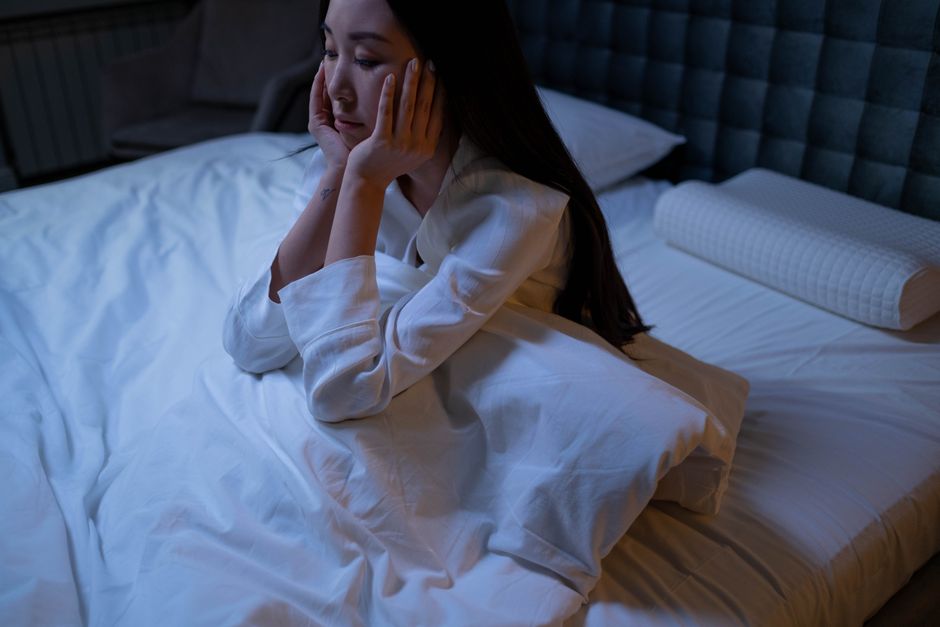
Anxiety keeps your mind racing when your body needs rest. You are not alone: millions of adults struggle to fall or stay asleep because of worry, stress, or panic. The most effective way to break this cycle is not a pill or a special tea — it is a structured therapy called cognitive behavioral therapy for insomnia (CBT-I). Experts also recommend steady sleep routines, daytime anxiety management, and in some cases short-term medication under medical guidance. The key is treating both the anxiety and the sleep problem together.
How does anxiety affect sleep?
Anxiety triggers the body’s stress response. Your brain releases cortisol and adrenaline, preparing you for danger. When this happens at night, your heart beats faster, your breathing quickens, and your thoughts jump to worst-case scenarios. Falling asleep becomes nearly impossible.
This hyperarousal state does not stop once you drift off. Anxiety also interrupts deep sleep and rapid eye movement (REM) sleep. You may wake up several times a night or wake early and be unable to go back to sleep. Over time, worrying about not sleeping creates more anxiety — a self-feeding loop that worsens both problems.
What is CBT-I and how does it help you sleep better with anxiety?
Cognitive behavioral therapy for insomnia (CBT-I) is the first-line treatment for chronic insomnia, including insomnia linked to anxiety. It is a short, structured program usually delivered by a trained therapist over 6 to 8 sessions. Large clinical trials have found it more effective than sleep medications for long-term results.
CBT-I works by targeting the thoughts and behaviors that keep anxiety and insomnia alive. You learn to identify and challenge unhelpful beliefs — for example, “I will never function tomorrow if I do not sleep eight hours.” The behavioral part includes techniques such as sleep restriction and stimulus control.
Sleep restriction means limiting time in bed to your actual average sleep time, then gradually increasing it as your sleep improves. This reduces frustration and builds sleep drive. Stimulus control trains your brain to associate bed only with sleep: you get out of bed if you cannot fall asleep within about 20 minutes and return only when sleepy. Both techniques are backed by decades of research.
What sleep habits actually work for anxiety?
Good sleep hygiene is not just “brush your teeth and turn off screens.” For someone with anxiety, habits need to actively reduce worry. Here are the strategies with the strongest support:
- Set a consistent wake time — even on weekends. This stabilizes your body’s internal clock and helps you feel sleepy at the right hour.
- Create a buffer zone before bed. Spend 30 to 60 minutes doing something calming that does not involve screens. Reading a physical book, gentle stretching, or listening to quiet music can help.
- Write down worries earlier in the evening. Keep a pad by your bedside. If thoughts pop up, write them down and tell yourself you will deal with them tomorrow.
- Keep the bedroom cool, dark, and quiet. Temperature around 65°F (18°C) is often recommended. Use blackout curtains or a white noise machine if needed.
- Avoid caffeine after noon and alcohol before bed. Caffeine stays in your system for hours. Alcohol may help you fall asleep but fragments sleep later in the night.
None of these habits alone cures anxiety-driven insomnia. But combined with CBT-I, they create the conditions where natural sleep can return.



Can supplements or medications help?
Many people ask about melatonin, magnesium, or herbal supplements. The evidence here is limited. Melatonin is a hormone that signals your body it is time to sleep. It can help with jet lag or delayed sleep phase, but large reviews find little benefit for general insomnia — and some evidence that high doses can cause grogginess or headaches.
Magnesium is involved in muscle relaxation and nerve function. Small studies suggest it might improve sleep quality in older adults with low magnesium levels. However, no strong evidence shows it helps anxiety-related insomnia in healthy adults. The same applies to valerian root, lavender, and chamomile — some people find them calming, but clinical trials have mixed results.
Prescription medications like benzodiazepines or Z-drugs (zolpidem, eszopiclone) can be used short-term under a doctor’s care. They are not recommended for long-term use because of tolerance, dependence, and rebound insomnia. For people with an anxiety disorder, a psychiatrist may also prescribe an antidepressant such as an SSRI, which treats anxiety and may improve sleep over several weeks.
A note on safety: do not start any supplement or medication for sleep without discussing it with a healthcare provider. Some can interact with other drugs or worsen underlying conditions.
When should you see a doctor for anxiety and sleep problems?
If poor sleep lasts more than a few weeks or starts affecting your mood, work, or relationships, talk to a primary care provider or a mental health professional. You may have an anxiety disorder, depression, or a sleep disorder such as insomnia disorder, sleep apnea, or restless legs syndrome. Each requires different treatment.
Signs that professional help is needed include:
- Three or more nights per week of trouble falling or staying asleep for at least three months.
- Daytime fatigue, irritability, or difficulty concentrating.
- Frequent panic attacks or intense worry that feels uncontrollable.
- Relying on alcohol or over-the-counter sleep aids to get through the night.
A provider can refer you to a CBT-I specialist. Many therapists now offer virtual sessions. Some health insurance plans cover CBT-I, though coverage varies.
Frequently Asked Questions
How long does it take for CBT-I to work?
Most people see noticeable improvement within 4 to 8 sessions, often over 6 to 12 weeks. Some changes in sleep habits can help within a few days, but lasting results come from completing the full program.
Is melatonin safe for anxiety-related insomnia?
Melatonin is generally safe for short-term use in adults, but evidence is weak for anxiety-related insomnia. It should not replace behavioral strategies, and you should talk to your doctor before starting it.
Can exercise help me sleep better with anxiety?
Regular aerobic exercise during the day can reduce anxiety and improve sleep quality. Evening vigorous exercise may be too stimulating for some people, so aim for morning or afternoon workouts.
What is the best sleeping position for anxiety?
No strong evidence links a specific sleeping position to reduced anxiety. The most important factor is comfort and avoiding positions that cause physical discomfort or worsen breathing, such as acid reflux.
