
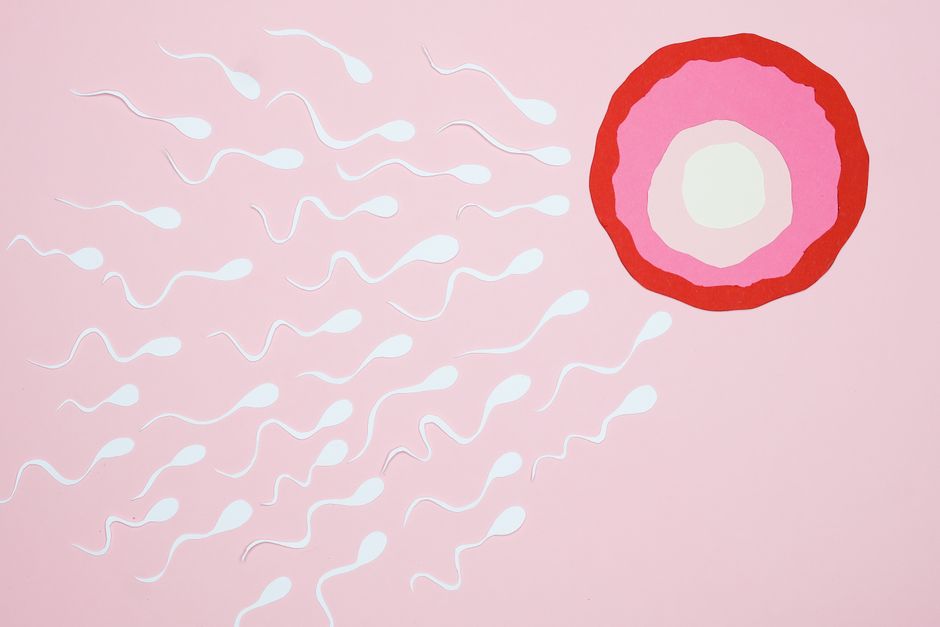
After ejaculation, millions of sperm enter the vagina. Most do not survive. The ones that die are cleared from the body through natural processes — they are broken down by the immune system, absorbed through the vaginal and cervical lining, or simply flow back out. The female reproductive tract does not store dead sperm. It removes them continuously and efficiently.
This is normal, healthy physiology. It happens after every act of intercourse, whether or not pregnancy occurs. Understanding what happens to sperm after they enter the body helps answer common questions about fertility, vaginal health, and what those post-sex fluids actually contain.
What Happens to Sperm After They Enter the Vagina?
Sperm are foreign cells from the female immune system’s perspective. The moment they enter the reproductive tract, the body begins responding to them.
The vagina is an acidic environment, typically with a pH between 3.8 and 4.5. This acidity protects against harmful bacteria, but it is hostile to sperm. Semen contains alkaline fluids that temporarily buffer this acidity, giving sperm a short window to move toward the cervix. Even so, a large portion of sperm are immobilized or killed within minutes.
Sperm that survive the vaginal environment swim into the cervix, where mucus quality changes throughout the menstrual cycle. Around ovulation, cervical mucus becomes thinner and more receptive to sperm. Outside that window, it is thicker and harder to penetrate. From the cervix, surviving sperm move into the uterus and then the fallopian tubes.
At every stage, the body is filtering and removing sperm that do not make it through. This is not a failure. It is how the system works.
Where Does Dead Sperm Go in the Female Body?
Dead sperm are cleared through three main routes: they flow back out of the vagina, they are broken down and absorbed by cells lining the reproductive tract, or they are engulfed by immune cells.
The most visible route is backflow. Within minutes to hours after intercourse, some semen and dead sperm drain out of the vagina. This is the fluid many people notice afterward. It is a mix of semen, vaginal secretions, and dead or dying sperm.
The second route is cellular absorption. The lining of the vagina, cervix, uterus, and fallopian tubes is made of epithelial cells. These cells can break down and absorb cellular material, including dead sperm. This process happens continuously and is not something a person can feel.
The third route involves immune cells. The female reproductive tract contains immune cells, including macrophages and neutrophils. These cells recognize sperm as foreign and engulf them in a process called phagocytosis. This is the same basic mechanism the body uses to clear dead cells, bacteria, and other debris throughout the body.
No dead sperm remain intact in the reproductive tract for long. The clearance process is ongoing and does not require any action from the woman.
How Long Do Sperm Survive Inside the Female Body?
Most sperm die within hours of entering the vagina. The ones that reach the cervix and beyond can survive longer, but only under the right conditions.
In fertile cervical mucus around ovulation, some sperm can remain alive for up to five days. This is why pregnancy is possible from intercourse that happens several days before ovulation. Sperm that do not reach fertile mucus die much sooner — typically within a few hours.
Once sperm reach the fallopian tubes, they can survive for a short time while waiting for an egg. If no egg arrives, they die and are cleared by the same mechanisms described above.
The five-day figure is well established in reproductive medicine. It is based on observations of sperm survival in cervical mucus and is the basis for how fertility awareness methods and some contraception guidance work.





What Is the Fluid That Comes Out After Sex?
The fluid that exits the vagina after intercourse is not just semen. It is a mixture of several things.
- Seminal fluid, which is the liquid portion of semen
- Dead and dying sperm
- Vaginal secretions and cervical mucus
- Cells shed from the vaginal lining
The amount varies. It depends on how much semen was ejaculated, how much backflow occurs, and individual anatomy. Some women notice very little. Others notice more. Both are normal.
This fluid is not a sign that something is wrong. It is also not a reliable indicator of fertility or of whether conception occurred. The presence or absence of backflow does not predict pregnancy.
Does the Body Treat Sperm as a Threat?
Yes, to some degree. The immune system recognizes sperm as foreign, and this is a normal part of reproductive biology.
The female reproductive tract has a complex immune environment. It must tolerate sperm long enough for fertilization to be possible, while still protecting against infection. This balance is regulated by hormones and by signals in seminal fluid itself.
Seminal fluid contains molecules that suppress immune activity locally, giving sperm a better chance of survival. Even with these adaptations, many sperm are still destroyed by immune cells.
In some cases, the immune response to sperm is stronger than usual. Some women develop anti-sperm antibodies, which are proteins that bind to sperm and can interfere with their movement or ability to fertilize an egg. This is uncommon but can be a factor in some cases of infertility. Testing for anti-sperm antibodies is not routine, and their role in infertility is debated among researchers.
Can Dead Sperm Cause Any Health Problems?
Dead sperm do not cause infections, irritation, or other health problems in the female body. They are cleared the same way the body clears other dead cells.
There is no evidence that retaining dead sperm is harmful. The body does not “hold onto” them. Clearance is continuous and efficient.
Some people worry that sperm left in the body could cause an infection or an immune reaction that affects future fertility. There is no clinical evidence to support this. The immune response to sperm is a normal part of reproduction, not a disease process.
If a woman notices unusual discharge, odor, pain, or irritation after sex, that is a separate issue. It may indicate an infection such as bacterial vaginosis or a sexually transmitted infection. These conditions need medical evaluation. They are not caused by dead sperm.
Does Douching Help Remove Sperm?
Douching does not help remove sperm, and it can cause harm. No clinical guidelines recommend douching for any purpose.
The vagina is self-cleaning. It maintains its own balance of bacteria and pH. Douching disrupts that balance and is associated with an increased risk of bacterial vaginosis, pelvic inflammatory disease, and other infections.
Sperm are cleared from the body on their own. Trying to wash them out does not prevent pregnancy and does not improve vaginal health. In fact, it can make things worse.
If someone wants to reduce the amount of semen in the vagina after sex, wiping the outer area with a clean cloth or tissue is enough. Nothing internal is needed.
Does Every Sperm That Enters the Body Die?
No. A small number of sperm can survive for days if they reach fertile cervical mucus near ovulation. If an egg is present, one sperm may fertilize it.
The vast majority of sperm — well over 99 percent — never reach an egg. They die and are cleared. This is true even in highly fertile couples. The system is designed to filter aggressively.
The sperm that do survive long enough to potentially fertilize an egg are the exception, not the rule. The rest follow the same path: they die, they are broken down, and they are removed from the body.
Frequently Asked Questions
How long does it take for dead sperm to leave the body?
Most dead sperm are cleared within hours to a few days. Some fluid drains out quickly, while cellular absorption and immune clearance happen continuously over a longer period.
Can dead sperm be absorbed by the body?
Yes. Cells lining the reproductive tract can break down and absorb dead sperm, and immune cells called macrophages engulf them through phagocytosis.
Is it normal for fluid to come out after sex?
Yes. Backflow of semen, vaginal secretions, and dead sperm is normal and happens after most acts of intercourse. The amount varies from person to person.
Can dead sperm cause an infection?
No. Dead sperm do not cause infections. If you notice unusual discharge, odor, or pain after sex, that suggests a separate issue that needs medical evaluation.
