
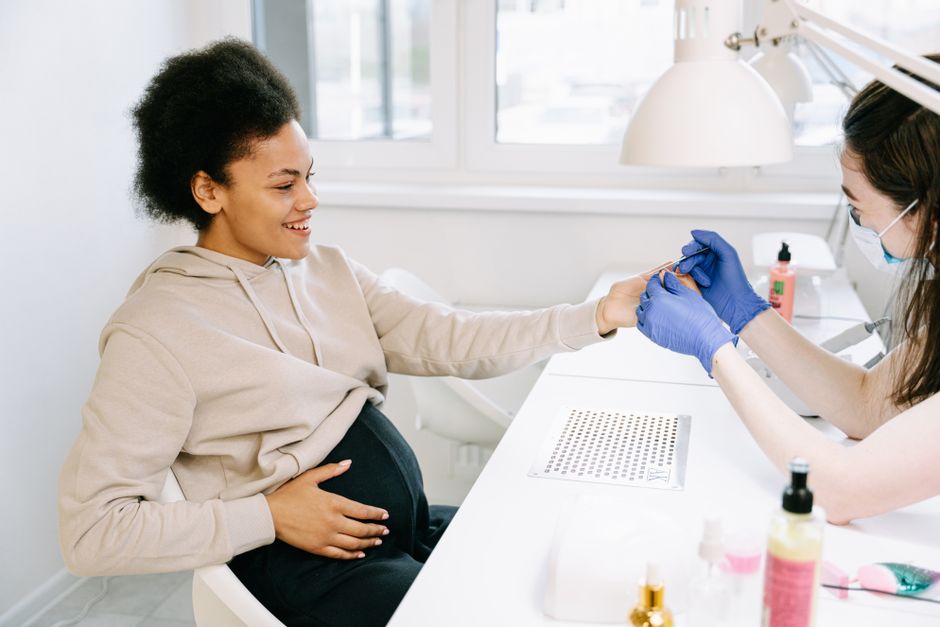
Yes, you can dye your hair while pregnant, but the timing and precautions matter. Most doctors agree that waiting until after the first trimester (week 13) is the safest approach. That said, the research on hair dye and pregnancy is limited, and no major studies have linked salon hair dye use to birth defects. The main concern is skin absorption of chemicals, which is why many experts recommend waiting until the second trimester when the baby’s major organs are fully formed.
When Your Pregnant Can You Dye Your Hair
The short answer is that hair dye is generally considered safe to use during pregnancy, especially after the first trimester. The American College of Obstetricians and Gynecologists notes that only small amounts of hair dye chemicals are absorbed through the skin, and that amount is unlikely to harm a developing baby.
Still, the first trimester is when your baby’s brain, heart, and other organs are forming. This is why many healthcare providers suggest waiting until week 13 or later. If you are past that point, coloring your hair is typically considered low-risk.
The bigger issue is not the dye itself but the fumes and the process. Ammonia-based dyes release strong odors that can make you nauseous, especially if you are already dealing with morning sickness. Ventilation becomes important, not because the fumes are proven dangerous, but because feeling sick is unpleasant and avoidable.
What the Research Actually Says About Hair Dye and Pregnancy
Research on hair dye use during pregnancy is surprisingly thin. No large human studies have found a clear link between hair dye and birth defects or pregnancy complications. Some older studies raised questions about chemicals in hair dyes, but those studies involved hairdressers exposed to large amounts of product daily, not women getting a single coloring every few weeks.
Some research suggests that occupational exposure — meaning working in a salon full-time — may carry slightly higher risks. But even that evidence is mixed. For a pregnant woman getting her hair done every four to six weeks, the level of chemical exposure is far lower.
It is worth noting that hair dye formulations have changed over the years. Many modern dyes no longer contain the ingredients that caused concern in older studies. However, this does not mean every product on the shelf is equally safe. The evidence simply does not exist to confirm that any specific brand is risk-free during pregnancy.
Which Hair Dye Ingredients Should You Avoid While Pregnant
No regulatory agency has published a list of pregnancy-safe hair dye ingredients. That said, some chemicals are more concerning than others based on what we know about skin absorption and animal studies.
Ammonia is one to watch. It is not necessarily dangerous to your baby, but it produces strong fumes that can trigger nausea and headaches. Many salons now offer ammonia-free options that are gentler on your senses.
Other ingredients that some experts suggest avoiding include:
- Paraphenylenediamine (PPD) — found in most permanent dyes, this chemical can cause allergic reactions and is one of the more heavily studied dye ingredients
- Resorcinol — used in some permanent colors, it has raised concerns in animal studies at high doses
- Lead acetate — found in some progressive hair dyes, lead is clearly harmful in any amount and should be avoided entirely
If you want to be extra cautious, temporary dyes and semi-permanent colors generally contain fewer harsh chemicals than permanent formulas. They also sit on the outside of the hair shaft rather than penetrating deeply, which means less absorption into your skin.





Is It Safe to Dye Your Hair in the First Trimester
Many women dye their hair before they even know they are pregnant. If you did this, do not panic. There is no evidence that a single hair coloring appointment in early pregnancy causes harm.
The first-trimester caution is about being conservative, not about proven danger. Because the baby’s organs are developing rapidly during weeks 4 through 12, healthcare providers prefer to minimize any unnecessary chemical exposure during this window. This is a precautionary approach, not a response to documented harm.
If you are in your first trimester and want to color your hair, talk to your obstetrician. Some will say it is fine. Others will recommend waiting. Both responses are reasonable given the lack of strong evidence either way.
Safer Ways to Dye Your Hair During Pregnancy
If you decide to color your hair while pregnant, you can reduce exposure with a few simple steps. These are not guarantees of safety, but they are sensible precautions that many clinicians recommend.
- Wait until the second trimester — this is the most common medical recommendation
- Use highlights or balayage — these techniques apply color to strands rather than the scalp, which means less skin contact
- Choose ammonia-free formulas — these produce fewer fumes and are gentler overall
- Ensure good ventilation — sit near an open window or door, and ask for a fan if the salon is stuffy
- Wear gloves — this is standard in salons, but worth confirming
- Rinse your scalp thoroughly — leaving dye on longer than needed increases absorption time
- Do a patch test 48 hours before — pregnancy can change your skin sensitivity, and allergic reactions are possible even with products you have used before
Some women choose to skip chemical dyes entirely and use natural options like henna. Pure henna is generally considered safe during pregnancy because it is a plant-based product. However, many commercial “henna” products contain added chemicals, so read labels carefully. Black henna, in particular, often contains PPD and should be avoided.
What About Hair Straightening and Bleaching During Pregnancy
Hair straightening treatments deserve extra caution. Chemical relaxers and keratin treatments contain stronger chemicals than typical hair dye. Keratin treatments often contain formaldehyde or formaldehyde-releasing agents, which are known irritants and possible carcinogens at high exposure levels.
No research confirms that these treatments harm a developing baby, but the chemical exposure is higher than with dye. Many healthcare providers recommend postponing chemical straightening until after pregnancy and breastfeeding.
Bleaching is a different situation. The active ingredient in bleach is hydrogen peroxide, which breaks down into oxygen and water. It does not accumulate in the body the way some dye chemicals might. Most experts consider bleaching a reasonable option during pregnancy, especially if it is done in a well-ventilated salon.
That said, bleach can be more irritating to your scalp during pregnancy. Hormonal changes can make your skin more sensitive, so a product that never bothered you before might now cause redness or itching.
Can Hormones Change How Your Hair Reacts to Dye
Pregnancy hormones can change your hair in unexpected ways. Some women find their hair becomes thicker and shinier. Others experience dryness, oiliness, or increased shedding. These changes can affect how dye takes to your hair.
Your hair may not absorb color the same way it did before pregnancy. The result could be a slightly different shade than you expected, or color that fades faster than usual. This is not dangerous, but it is worth knowing so you are not surprised.
Hormonal changes can also affect your scalp. Increased blood flow to the skin during pregnancy can make your scalp more sensitive to chemicals. If you have ever had a mild reaction to dye, there is a chance it could be worse now.
When Should You Skip Hair Dye Entirely
There are a few situations where skipping hair dye is the wiser choice. If you have open sores, cuts, or irritation on your scalp, the chemicals can enter your bloodstream more easily. Wait until your scalp is healthy.
If you are experiencing severe nausea, the fumes from hair dye — even ammonia-free formulas — can make you feel much worse. There is no medical reason to put yourself through that.
If you have a history of allergic reactions to hair dye, do not assume pregnancy will change that. Allergic reactions can be more intense during pregnancy, and treating them can be more complicated because medication options are limited.
And if your healthcare provider specifically advises against it, follow that guidance. Your doctor knows your medical history and any risk factors you may have.
Questions to Ask Your Stylist Before Booking
Before you schedule an appointment, call your salon and ask a few direct questions. A good stylist will be happy to answer them.
- Do you offer ammonia-free or low-ammonia color options?
- Can you apply the color without it touching my scalp?
- Is the salon well-ventilated?
- Can I bring my own dye if I prefer a specific brand?
- Do you have experience coloring hair for pregnant clients?
If you prefer to dye your hair at home, choose a product without ammonia and follow the instructions exactly. Wear gloves, ventilate the room, and rinse thoroughly. Do not leave the product on longer than the package instructs — more time does not mean better results, and it means more skin exposure.
The bottom line is that dyeing your hair during pregnancy is a personal choice. The evidence does not show clear harm, but it also does not prove complete safety. Waiting until the second trimester, choosing gentler products, and minimizing scalp contact are the most cautious approaches available. If you have any concerns, a quick conversation with your obstetrician can give you clarity.
Frequently Asked Questions
Can I dye my hair while pregnant in the first trimester?
Most healthcare providers recommend waiting until after the first trimester, but no evidence shows that a single early-pregnancy dyeing causes harm. If you already dyed your hair before realizing you were pregnant, there is no reason to be alarmed.
Is ammonia-free hair dye safe during pregnancy?
Ammonia-free dye produces fewer fumes, which makes it a more comfortable option, but it still contains other chemicals that absorb through the skin. No research confirms that ammonia-free formulas are safer for your baby, though they are generally considered a reasonable choice.
Can I get highlights while pregnant?
Yes, highlights are often considered the safest option because the dye is applied to hair strands rather than the scalp, which reduces skin absorption. This technique is commonly recommended by healthcare providers for pregnant women who want to color their hair.
Is it safe to use box hair dye at home during pregnancy?
Box dye is not necessarily more dangerous than salon dye, but it is harder to control application and ventilation. If you use it, wear gloves, open windows, and rinse your scalp thoroughly to minimize exposure.
