

Most people asking how to thin out their hair are not losing it — they want less of it on purpose. Hair thinning for cosmetic reasons usually means reducing density, bulk, or volume while keeping the hair you have looking healthy. The most effective methods are cutting techniques, chemical treatments like thinners and relaxers, and heat styling, and each one works differently on the hair shaft.
This is not the same as hair loss, and the two get confused constantly. Thinning out is a styling choice. Hair loss is a medical issue with different causes and different solutions. If you are actually shedding more than usual or seeing your part widen, that is a separate conversation.
What Does It Mean to Thin Out Your Hair?
Thinning out hair means deliberately removing some of the bulk so the remaining hair moves better and sits closer to the head. It is a density decision, not a length decision.
Your hair has two separate qualities that people mix up: density and thickness. Density is how many hairs grow per square inch of scalp. Thickness refers to the diameter of each individual strand. Thinning out affects density. It does not change how thick each strand is.
This matters because the techniques that work depend on which one you are dealing with. Someone with fine strands but high density needs a different approach than someone with coarse strands and low density. A stylist who understands this distinction will get better results than one who treats all “thick hair” the same way.
Average density on a healthy scalp runs somewhere between 100,000 and 150,000 hairs total, varying widely by hair color and genetics. Blondes tend to have the highest density, redheads the lowest. That is a normal range, not a problem to fix.
What Are the Best Ways to Thin Out Thick Hair?
Cutting techniques are the safest and most reversible way to reduce bulk. Nothing about the hair’s structure changes. You are simply removing some of it.
Point cutting involves holding the scissors at an angle and cutting into the ends of a section rather than straight across. This removes weight without creating blunt lines. It works well on medium to long hair where you want movement.
Slide cutting uses an open scissor blade to slide down a section of hair, removing strands along the way. It reduces bulk through the interior of the hair. It requires a skilled hand because it can create uneven results if done carelessly.
Razor cutting uses a straight razor to slice through hair at an angle. It creates soft, tapered ends and removes significant bulk. Razors work best on hair that is not too fine, because they can cause split ends and frizz on delicate strands.
Thinning shears are scissors with one serrated blade. They cut a percentage of hairs in any given section while leaving the rest. They are the fastest way to remove bulk, but they are also the easiest tool to overuse. Too much thinning with shears creates holes in the hair and makes ends look stringy.
Layering is a related strategy. Cutting shorter layers on top and longer layers underneath removes weight from the interior while keeping the outer shape. It is often a better choice than aggressive thinning because the result grows out more gracefully.
Do Chemical Hair Thinners Actually Work?
Chemical thinners are products marketed to reduce volume, usually applied as a cream or lotion. The evidence for their effectiveness is limited. Most work by coating the hair shaft or temporarily relaxing the curl pattern, which can make hair feel flatter and look less bulky. That is not the same as removing hair.
Some products labeled as thinners contain ingredients that break down the hair’s protein structure, similar to a very mild relaxer. These can genuinely reduce volume, but they also weaken the hair and increase breakage risk with repeated use. The effect is temporary and the damage can accumulate.
No large human trials have confirmed that over-the-counter thinning products reduce hair density in a meaningful or lasting way. If a product promises to thin your hair permanently without cutting or chemical restructuring, treat that claim with skepticism.
If you want a chemical route, a professional relaxer or texturizer applied by a licensed stylist is more predictable than a drugstore thinner. Both change the hair’s internal bonds. Both require careful aftercare to prevent damage.
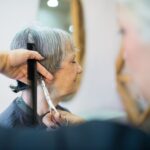




Can Heat Styling Thin Out Your Hair?
Heat styling can reduce volume temporarily, but it does not remove hair. A flat iron presses hair flat and makes it lie closer to the head. The effect lasts until the next wash or until humidity reverses it.
What heat styling can do is cause breakage. Repeated exposure to high heat damages the hair’s cuticle and cortex. Over time, this can lead to snapped strands and a genuine reduction in density — but not in a controlled or desirable way. That is damage, not styling.
If you use heat regularly, a heat protectant spray reduces the risk somewhat. It does not eliminate it. Lower temperature settings and less frequent use are more reliable protections than any product.
Blow-drying with a round brush can smooth hair and make it appear less bulky. Again, this is a temporary visual effect. The hair is still there.
What Should You Avoid When Thinning Your Hair?
Over-thinning is the most common mistake. It is easy to remove too much bulk in one session, and the result can take months to grow out.
- Do not let a stylist use thinning shears close to the scalp. This creates short hairs that stick up and cannot be blended.
- Do not thin the same section repeatedly over multiple appointments. The cumulative effect adds up.
- Do not use drugstore thinners on color-treated or chemically relaxed hair without professional guidance. The combination can cause severe breakage.
- Do not assume more thinning equals better results. Less is almost always more here.
If you have fine hair, be especially cautious. Thinning fine hair rarely improves it. Fine hair needs volume, not less of it. The exception is when fine hair is very dense and needs shaping rather than bulk removal.
Curly and coily hair behaves differently too. Cutting curls wet can hide how much volume you are actually removing. Dry cutting gives a more accurate picture of the final shape.
How Do You Know If You Should Thin Your Hair or See a Doctor?
If your goal is to reduce bulk because your hair feels too heavy or too wide, thinning is a styling decision. If your hair is getting thinner on its own, that is a medical question.
Signs that point to hair loss rather than a styling issue include a widening part, visible scalp through the hair, more shedding than usual in the shower or on your pillow, and patches of missing hair. These can have many causes, including thyroid problems, iron deficiency, hormonal changes, and certain medications. Some are treatable. Some resolve on their own. None are diagnosed by a hairstylist.
If you notice sudden or patchy hair loss, or if you are losing hair along with other symptoms like fatigue or weight changes, see a doctor. A primary care physician can run basic labs and refer you to a dermatologist if needed.
One thing worth knowing: temporary shedding after a stressful event, illness, or major life change is common and often reverses. It is called telogen effluvium. It usually shows up a few months after the trigger and resolves over time. That is different from pattern hair loss, which tends to be gradual and does not reverse on its own.
Does Thinning Out Your Hair Damage It?
Cutting techniques do not damage hair. They remove it. The hair that remains is unchanged.
Chemical thinners and relaxers can damage hair. They alter the bonds inside the hair shaft, which weakens it. With repeated use, this can lead to breakage and split ends. The damage is real and can be permanent for the affected strands.
Heat styling damages hair when used at high temperatures or too often. The damage is cumulative. Once the cuticle is compromised, it does not repair itself.
If you want to thin your hair without any risk of damage, cutting is the only method that carries none. Everything else involves some trade-off.
Frequently Asked Questions
Can I thin out my own hair at home?
You can, but the margin for error is small. Thinning shears used incorrectly create holes that take months to grow out. If you want to try it, start with a small section at the ends and remove less than you think you need.
Does thinning out hair make it grow back thicker?
No. Cutting or thinning hair does not change the follicle or the rate of growth. The hair that grows back is the same as before.
How often can you thin out your hair?
There is no clinical guideline on frequency. Most stylists suggest no more than every few months, and only when the shape has grown out enough to need it. Thinning too often leads to over-thinning.
Is thinning out hair the same as getting layers?
No. Layers remove weight by cutting different lengths. Thinning removes density within a section. They can be used together, but they are different techniques with different results.
