
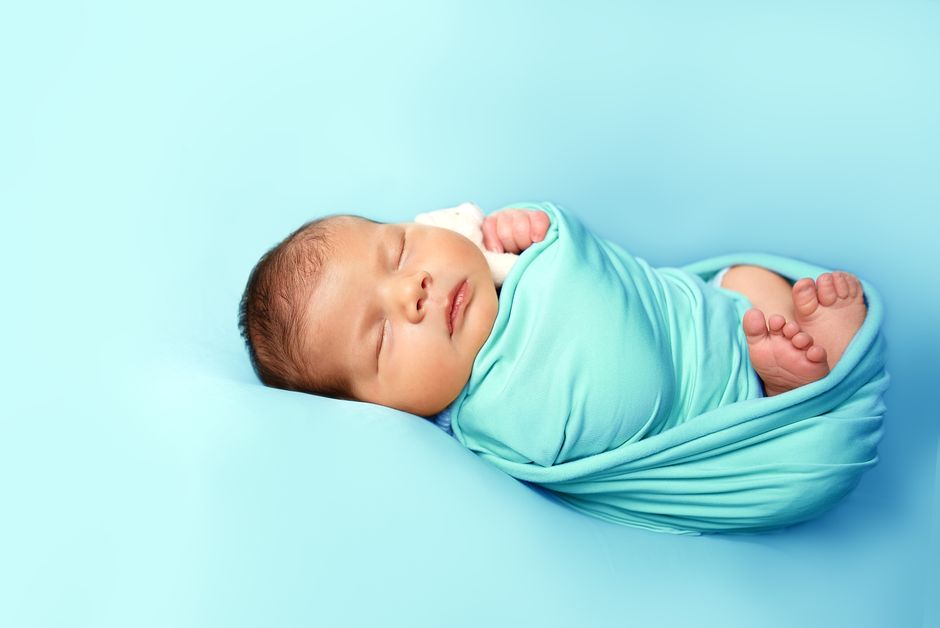
Most babies should stop being swaddled between 8 and 16 weeks of age. The exact time depends on your baby’s development, not their age alone. The clearest sign is when your baby starts trying to roll over. Once that happens, swaddling becomes unsafe and must stop immediately.
When To Stop Swaddling Based on Development
Swaddling keeps a baby’s arms close to their body. This reduces the startle reflex that wakes babies up. It also helps some babies feel secure and sleep longer. But swaddling has a hard limit: the moment a baby shows signs of rolling.
The American Academy of Pediatrics advises stopping swaddling as soon as a baby attempts to roll. This usually happens between 2 and 4 months. Some babies roll earlier. Some roll later. The timeline matters less than the skill itself.
A swaddled baby who rolls onto their stomach cannot use their arms to push back. This creates a serious suffocation risk. A baby who is unswaddled can shift position or lift their head. A swaddled baby cannot.
Check your baby’s ability daily. Babies develop quickly. A baby who showed no interest in rolling on Monday may roll on Tuesday. Stop swaddling at the first sign of rolling attempts, not after they succeed.
Signs Your Baby Is Ready to Stop Being Swaddled
Watch for these specific signs. Any one of them means it is time to stop swaddling:
- Your baby rolls from back to side or back to stomach
- Your baby pushes up on their arms during tummy time
- Your baby breaks free from the swaddle regularly
- Your baby seems frustrated by the swaddle
- Your baby is 8 weeks old or older
Breaking free from the swaddle is a common early sign. Many babies work their arms out by 6 to 8 weeks. A loose swaddle is no longer a swaddle. It becomes loose bedding in the crib, which is a suffocation hazard on its own.
Some babies show no interest in rolling but clearly dislike being swaddled. If your baby fights the swaddle every night, that is a valid reason to stop. The swaddle is meant to help sleep, not create a nightly struggle.
Why Rolling Changes Everything
Rolling is the critical milestone because of how it affects sleep position. Safe sleep guidelines say babies should always be placed on their backs. But once a baby can roll, they may choose to sleep on their stomach. That is acceptable if the baby got there on their own.
The problem is a swaddled baby who rolls. Their arms are pinned. They cannot adjust their head if their face is pressed into the mattress. They cannot push up to breathe. The risk of sudden infant death syndrome increases significantly in this situation.
This is why the guidance is absolute. Do not swaddle a baby who can roll. Do not swaddle a baby who is close to rolling. The risk is not worth the extra sleep.





How To Transition Out of the Swaddle
Going from full swaddle to no swaddle is a big change. Many babies sleep worse for a few nights. This is normal. The startle reflex returns and may wake them. Most babies adjust within a week.
Some parents use a gradual approach. They swaddle with one arm out for a few nights, then both arms out. This can ease the transition. Other parents stop cold turkey. Both approaches work. Choose what feels right for your family.
One-arm-out swaddling is only safe if the baby is not yet rolling. Once rolling starts, no partial swaddle is acceptable. Both arms must be free.
Swaddle transition products exist. Some are wearable blankets that allow arm movement. Others are sleep sacks with a zipper. These can help. But they are not a substitute for stopping the swaddle when your baby starts rolling.
What To Use Instead of a Swaddle
A sleep sack is the most common alternative. It is a wearable blanket that keeps your baby warm without covering their arms. Sleep sacks are safe for babies who roll. They do not restrict movement.
Sleep sacks come in different weights. Choose one appropriate for your room temperature. A baby who is too warm is at higher risk for sleep-related problems. Check your baby’s neck or chest to see if they feel hot.
If your baby is under 8 weeks and not rolling, a swaddle is still fine. If your baby is older or rolling, a sleep sack is the safer choice. There is no evidence that one sleep sack brand is safer than another. What matters is that it fits well and does not cover the face.
Some parents wonder about weighted sleep sacks. These products are relatively new. The evidence on their safety and effectiveness is limited. No large trials have confirmed they are safe for infants. Most pediatric organizations have not endorsed them. If you are considering one, discuss it with your pediatrician first.
Common Mistakes Parents Make
The most common mistake is continuing to swaddle because the baby sleeps better. This is understandable. A baby who sleeps well is a baby who is thriving. But the rolling risk does not care about sleep quality.
Another mistake is using a larger swaddle blanket to keep a growing baby contained. This is dangerous. A bigger blanket means more loose fabric. More loose fabric means higher suffocation risk.
Some parents try to swaddle only for naps and not for nighttime sleep. This is also risky. Babies can roll during naps too. The same rules apply for all sleep periods.
Finally, some parents believe their baby will not roll because they have not yet. This is false confidence. Rolling can happen at any time. It often happens suddenly. Do not wait for it to happen before you stop swaddling.
What If Your Baby Rolls While Swaddled at Night?
If you wake up and find your swaddled baby on their stomach, act immediately. Roll them onto their back. Remove the swaddle. Do not re-swaddle them. From this point forward, the swaddle is done.
You do not need to wake the baby fully. Just reposition them gently. Then place them back in the crib in a sleep sack or other safe sleep clothing.
This situation is scary but common. Many parents experience it. The key is what you do afterward. One night of swaddled rolling is bad. Continuing to swaddle after that is worse.
Frequently Asked Questions
What is the latest age to stop swaddling?
Stop swaddling by 8 weeks if your baby shows any rolling signs, and no later than 4 months regardless. Most babies start rolling between 2 and 4 months, and swaddling past this point is unsafe.
Can I swaddle my baby with one arm out?
Yes, but only if your baby is not yet rolling. One-arm-out swaddling is a common transition step, but it becomes unsafe the moment your baby shows any rolling ability.
Is a sleep sack safer than a swaddle?
Yes, for babies who are rolling or close to rolling. Sleep sacks allow full arm movement, so a baby who rolls onto their stomach can reposition or lift their head.
How long does it take for a baby to adjust to no swaddle?
Most babies adjust within 3 to 7 days. The startle reflex may cause more waking at first, but this typically settles as your baby gets used to free movement.
