

That sudden, skin-crawling sensation — the feeling that something is moving on you, under you, or just out of sight — is a genuine physical and neurological event. It is not just a figure of speech. This sensation, often called formication when it feels like insects are crawling on the skin, can stem from normal brain processing, anxiety, or an underlying medical condition. Understanding what triggers this feeling is the first step toward knowing when to ignore it and when to seek medical advice.
What Is the Skin Crawling Sensation Called Medically?
When the sensation specifically feels like bugs, insects, or worms are crawling on or under the skin, it has a specific medical name: formication. It is a type of tactile hallucination. This means your brain is processing a touch signal that has no physical source.
Formication is distinct from a general itch. An itch usually leads you to scratch a specific spot. Formication feels like movement. It can be localized to one area, like the lower legs, or it can be widespread across the body. People often describe it as a creeping, tingling, or crawling feeling. In severe cases, it can be intensely distressing.
This sensation is not a disease itself. It is a symptom. The cause can be as simple as dry skin or as complex as a neurological condition. Identifying the root cause determines the correct response.
When Something Makes Your Skin Crawl Causes Explained: Everyday Triggers
Before assuming the worst, consider common and harmless explanations. Many people experience this sensation without any underlying illness.
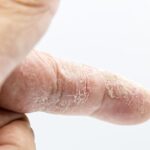
Dry skin is one of the most frequent culprits. When the skin loses moisture, the nerve endings near the surface become more sensitive. This heightened sensitivity can produce a crawling or prickling feeling, especially in winter or in dry climates. The sensation typically resolves with regular moisturizing.
Normal hair movement can also trigger the feeling. A single strand of hair brushing against a shirt sleeve is often enough to send a “crawling” signal to the brain. If the sensation stops when you change clothes or brush the area, the cause is likely physical and harmless.
Another everyday trigger is static electricity or fabric textures. Certain synthetic fibers create a micro-static charge against the skin. This can stimulate nerve endings and create a false sense of movement. Again, removing the fabric usually stops the sensation quickly.
These simple causes are why doctors often ask about recent changes in soap, laundry detergent, or clothing before pursuing more complex testing.
Neurological and Medical Causes of Skin Crawling
When the sensation persists or occurs without an obvious physical trigger, the cause may be internal. Several well-established medical conditions can produce formication.
Peripheral neuropathy is a common cause. This condition involves damage to the peripheral nerves, often in the hands or feet. Diabetes is a leading cause of peripheral neuropathy. The damaged nerves can misfire, sending signals to the brain that are interpreted as tingling, burning, or crawling sensations. Some research suggests that up to half of people with diabetes develop some form of neuropathy, though the sensation varies widely between individuals.
Multiple sclerosis (MS) can also cause these sensations. MS damages the myelin sheath that insulates nerves in the brain and spinal cord. This damage disrupts normal nerve signaling. For some people with MS, the first symptom is an unexplained crawling or itching sensation on the skin. These sensations are called dysesthesias and are a recognized symptom of the disease.
Restless Legs Syndrome (RLS) is another condition associated with crawling sensations. People with RLS often describe an irresistible urge to move their legs, accompanied by sensations like creeping, crawling, or pulling. These feelings typically worsen at night when resting. RLS is a neurological condition with established diagnostic criteria, and it is more common than many people realize.
In older adults, circulatory issues or thyroid imbalances can also contribute. Reduced blood flow to the skin can alter nerve function. An underactive or overactive thyroid affects metabolism and nerve signaling, which can manifest as skin sensations. These are less common than skin or nerve causes but are worth discussing with a doctor if the sensation is persistent.



The Strong Link Between Anxiety and Skin Crawling
Anxiety is one of the most common causes of this sensation in otherwise healthy people. The connection between the brain and skin is direct and powerful.
When you experience anxiety, your body releases stress hormones like adrenaline and cortisol. These hormones prepare your body for a perceived threat. One effect is increased blood flow to muscles and altered blood flow to the skin. This change in circulation can cause a prickling or crawling sensation.
Anxiety also heightens sensory awareness. When your nervous system is on high alert, you notice every tiny stimulus. A normal, minor skin sensation that you would usually ignore becomes noticeable and concerning. This creates a feedback loop: you feel something, you worry about it, the worry increases your awareness, and the sensation feels more intense.
This is particularly common in people with generalized anxiety disorder or panic disorder. The skin crawling sensation is often worse during periods of high stress or before sleep when there are fewer distractions. In these cases, treating the underlying anxiety often reduces or eliminates the skin sensation.
It is important to note that anxiety-related formication is real. The sensation is genuinely felt. It is not imagined or “all in your head” in a dismissive sense. The brain is producing a real tactile experience in response to a psychological state.
Substance Use and Medication Side Effects
Certain substances and medications are well-documented causes of formication. This is an area where the evidence is strong and specific.
Stimulant medications and recreational stimulants like cocaine and amphetamines are known to cause this sensation. The effect is so specific that the term “cocaine bugs” has been used historically in medical literature. The sensation occurs because stimulants increase dopamine and norepinephrine levels, which overstimulate the nervous system. This can cause tactile hallucinations even in the absence of any actual insects.
Alcohol withdrawal is another established cause. When a person who has been drinking heavily stops suddenly, the nervous system becomes hyperactive. This rebound effect can produce tremors, anxiety, and skin crawling sensations. This is a serious medical situation that sometimes requires professional supervision.
Some prescription medications list formication as a possible side effect. Certain antidepressants, opioids, and medications used to treat Parkinson’s disease can cause this sensation in some people. If you notice the sensation starting after you begin a new medication, discuss it with your prescribing doctor. Do not stop the medication on your own.
Menopause is also a documented cause. The drop in estrogen levels during menopause affects thermoregulation and nerve function. Many women report skin crawling or prickling sensations during perimenopause and menopause. This is often accompanied by hot flashes and night sweats.
When to See a Doctor About Skin Crawling
Occasional skin crawling sensations that resolve quickly are usually not a cause for concern. Persistent or worsening symptoms warrant a medical evaluation.
You should schedule an appointment with your doctor if the sensation:
- Lasts for more than a few days without relief
- Is accompanied by numbness, weakness, or pain
- Interferes with your sleep or daily activities
- Occurs along with other symptoms like fatigue, weight changes, or vision problems
Seek prompt medical attention if the sensation is accompanied by signs of a serious condition. These include sudden weakness on one side of the body, difficulty speaking, confusion, or a severe headache. These could indicate a stroke or another neurological emergency.
During your appointment, the doctor will likely ask about your medical history, current medications, and any substance use. They may perform a neurological exam to check reflexes, sensation, and coordination. Depending on your symptoms, they may order blood tests to check for diabetes, thyroid issues, or vitamin deficiencies.
If no physical cause is found, the doctor may discuss anxiety or stress as a contributing factor. Referral to a neurologist or dermatologist may be appropriate for complex cases.
Frequently Asked Questions
Can stress alone cause the feeling of something crawling on your skin?
Yes, stress and anxiety can directly cause this sensation through hormone release and heightened sensory awareness. It is a real physical experience, not a sign that you are imagining things.
Is the skin crawling feeling a sign of a serious illness?
It can be, but it often is not. Dry skin, fabric irritation, and anxiety are common benign causes, while neuropathy, multiple sclerosis, and thyroid disorders are more serious conditions that can also produce the feeling.
Does the skin crawling sensation go away on its own?
It often does when the cause is temporary, such as stress or dry skin. If the sensation persists or worsens over several days, you should see a doctor to identify the underlying cause.
What is the difference between an itch and skin crawling?
An itch is typically localized and relieved by scratching, while skin crawling feels like movement and is not relieved by scratching. The two sensations involve different nerve pathways and often have different underlying causes.
