
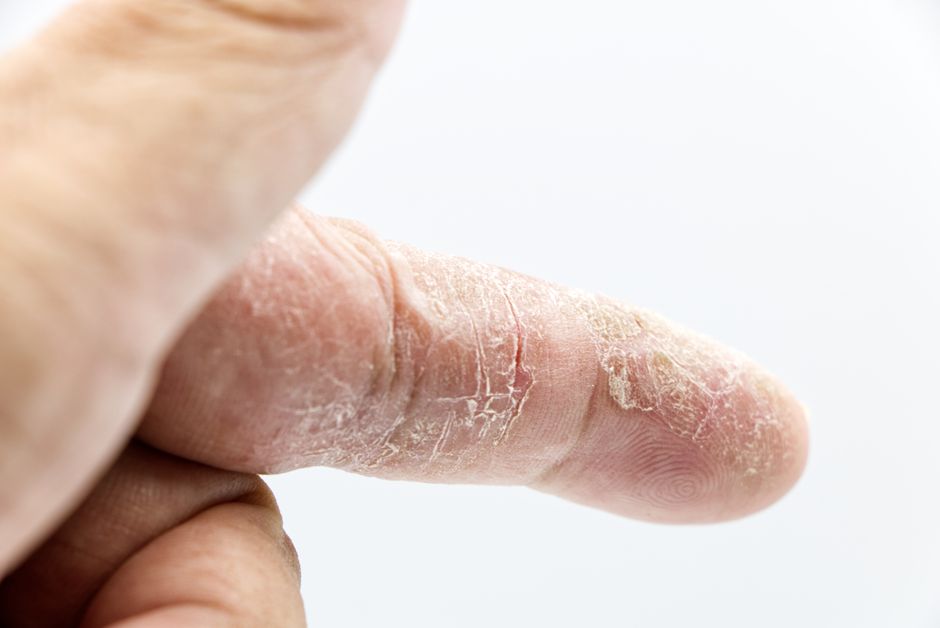
Scaly skin happens when the outer layer of your skin loses moisture and its cells stop shedding in an orderly way. Instead of flaking off invisibly, they clump together and build up into visible scales. That process has many possible causes, ranging from dry winter air to a chronic skin condition that needs medical treatment.
The word “scaly” describes a texture, not a disease. It can show up as fine white flakes, thick greasy patches, or rough plaques that feel like sandpaper. Knowing which pattern you have is the first step toward figuring out what is going on.
Why Your Skin Is Scaly in the First Place
Your skin constantly rebuilds itself. New cells form at the base of the epidermis and travel upward, flattening as they go. By the time they reach the surface, they are essentially dead and ready to fall away. This cycle normally takes about a month.
Scaling happens when that cycle speeds up or when the bonds between surface cells fail to break down properly. In conditions like psoriasis, skin cells mature in just a few days. The body cannot shed them fast enough, so they pile up into thick scales.
Moisture loss is the other major driver. The outer skin layer depends on fats and proteins to hold water in. When those are stripped away, by cold air, harsh soaps, or age, the surface dries and cracks into flakes.
So there are really two broad paths to scaly skin: a problem with how cells turn over, or a problem with the skin barrier holding onto water. Many people have both happening at once.
What Causes Scaly Skin on the Body?
Dry skin, called xerosis, is the most common cause. It is not a disease on its own. It is a sign that the skin barrier is not holding moisture as well as it should. Cold weather, low humidity indoors, and frequent hot showers all make it worse.
Eczema, or atopic dermatitis, causes dry, itchy, inflamed patches. It is tied to an overactive immune response and a weakened skin barrier. It often runs in families alongside asthma and seasonal allergies.
Psoriasis is an autoimmune condition. The immune system attacks healthy skin cells, speeding up their life cycle. It produces thick, silvery scales, most often on the elbows, knees, scalp, and lower back.
Other causes worth knowing about:
- Fungal infections like ringworm, which often form a scaly ring with a clearer center
- Contact dermatitis from a reaction to soap, detergent, or a specific material
- Hypothyroidism, which can cause dry, rough skin across the body
- Nutritional deficiencies, including low levels of certain B vitamins or essential fatty acids
- Medications, including some diuretics and cholesterol-lowering drugs
- Age-related skin changes, since oil production drops over time
The pattern and location matter a lot. A single scaly patch is a different problem from scaling everywhere. A patch that bleeds or will not heal deserves a doctor’s look.
How Do You Tell Dry Skin From a Skin Condition?
Dry skin usually improves with moisturizer and feels better within days. A skin condition typically does not respond that way, or it improves and then flares again on its own.
Here is a rough way to think about the differences. This is a general guide, not a diagnosis.
| Feature | Dry skin | Eczema | Psoriasis |
|---|---|---|---|
| Main feeling | Tight, rough | Intensely itchy | Often itchy or sore |
| Scale look | Fine, white flakes | Dry, sometimes weeping | Thick, silvery |
| Common spots | Legs, arms, hands | Inside elbows, behind knees | Elbows, knees, scalp, back |
| Response to moisturizer | Good | Partial | Limited |
One detail people often miss: eczema and psoriasis can look similar in the early stages, and a doctor may need to examine the skin closely to tell them apart. Self-diagnosis from photos is unreliable.





When Should Scaly Skin Worry You?
Most scaly skin is not dangerous. But some patterns need a doctor’s attention. See a clinician if any of the following apply:
- A patch that keeps growing or changes shape
- Scaling that bleeds, oozes, or forms a sore that will not heal
- Scaling that spreads quickly across the body
- Severe itching that disrupts sleep
- Signs of infection, such as warmth, swelling, or pus
- Scaling along with fatigue, weight change, or other whole-body symptoms
A single scaly spot that crusts, bleeds, or refuses to heal over several weeks should be checked. Some skin cancers can start this way. That does not mean a scaly patch is cancer, only that a persistent, changing lesion is worth a professional look.
If you have psoriasis or eczema and it is not responding to treatment, that is also a reason to go back to your doctor. Treatment plans often need adjusting over time.
How Is Scaly Skin Treated?
Treatment depends entirely on the cause, which is why getting the right diagnosis matters. What helps dry skin can irritate psoriasis, and what calms eczema may do nothing for a fungal infection.
For ordinary dry skin, the main approach is restoring moisture and protecting the barrier. That means shorter lukewarm showers, gentle cleansers instead of harsh soaps, and applying moisturizer while the skin is still damp. Thick creams and ointments hold water in better than thin lotions.
For eczema, treatment usually includes moisturizers plus prescription creams to calm inflammation. Some clinicians recommend limiting known triggers, though triggers vary widely from person to person.
For psoriasis, options range from topical treatments to light therapy to medications that affect the immune system. Which one is right depends on how much of the body is involved and how severe it is.
For fungal infections, antifungal medication is needed. Moisturizer alone will not clear them. In fact, applying a heavy cream over a fungal infection can sometimes make it worse.
Across all of these, the evidence for basic barrier care is strong. The evidence for specific home remedies is much weaker. No large human trials have confirmed that most popular home treatments work, even when the theory behind them sounds reasonable.
What Actually Helps, and What Does Not
Some habits genuinely help scaly skin. Others are widely repeated but not well supported.
What the evidence supports:
- Moisturizing daily, especially right after bathing
- Using lukewarm rather than hot water
- Choosing fragrance-free products for sensitive skin
- Using a humidifier in dry indoor air
- Following a prescribed treatment plan for a diagnosed condition
What is often oversold:
- Drinking extra water to “hydrate” the skin. Staying hydrated matters for health, but drinking more than your body needs does not fix a damaged skin barrier.
- Exfoliating scales away. Scrubbing can irritate inflamed skin and make conditions like psoriasis worse.
- Essential oils marketed for scaling. Some can trigger allergic reactions, and evidence for benefit is limited.
- Any product claiming to cure eczema or psoriasis. These are chronic conditions that can be managed, not cured by a cream.
One honest point: the cause matters more than the product. A person with a fungal infection and a person with dry skin may buy the same moisturizer, and only one of them will improve.
Can You Prevent Scaly Skin?
You cannot prevent every cause, especially genetic conditions like psoriasis. But you can reduce the odds of everyday dryness turning into scaling.
Keep showers short and warm rather than long and hot. Pat skin dry instead of rubbing. Apply moisturizer within a few minutes of bathing, while skin still holds some water. Run a humidifier when indoor air is dry. Choose mild, fragrance-free cleansers.
If you live in a cold climate, your skin faces extra stress every winter. Adjusting your routine seasonally can make a real difference.
For chronic conditions, prevention means staying consistent with treatment even when skin looks clear. Flares often follow skipped care.
Frequently Asked Questions
Why is my skin suddenly scaly?
A sudden change often points to dry air, a new soap or detergent, or a developing skin condition. If it appeared quickly and is spreading, have a doctor look at it.
Is scaly skin a sign of a vitamin deficiency?
It can be, though this is less common than dry skin or a skin condition. Low levels of certain B vitamins or essential fatty acids are sometimes linked to dry, scaly skin, and a doctor can test for this.
Does drinking more water fix scaly skin?
No. Staying hydrated supports overall health, but drinking extra water does not repair a damaged skin barrier, which is what causes most scaling.
Can scaly skin be a sign of something serious?
Most scaly skin is not serious. A single patch that bleeds, crusts, or will not heal over several weeks should be checked by a doctor.
