
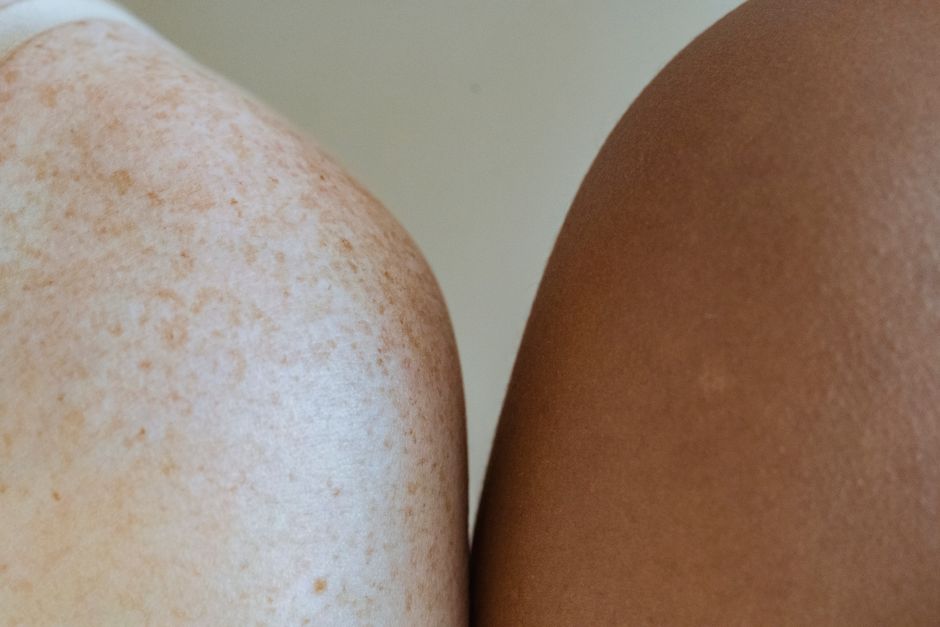
Skin color comes from melanin, a pigment made by specialized cells called melanocytes in the outer layer of your skin. How much melanin you make, and which type, is controlled mostly by your genes. Sun exposure, hormones, and some medical conditions can shift it too — sometimes temporarily, sometimes permanently. The result is the full range of human skin tones, from the palest to the deepest brown.
What Makes Skin Darker Or Lighter Causes Explained
Melanin is the single most important factor in skin color. It is produced by melanocytes, which sit in the basal layer of the epidermis — the bottom of your skin’s outer layer. These cells do not stay put. They extend long arms that deliver packets of melanin to nearby skin cells called keratinocytes. Those cells carry the pigment as they move toward the surface.
There are two main types of melanin in human skin. Eumelanin is brown to black. Pheomelanin is red to yellow. The mix and total amount of these two pigments determine your visible skin tone. More eumelanin means darker skin. More pheomelanin, with less eumelanin, means lighter skin with warmer or red tones.
It is worth correcting a common misunderstanding here. Skin color is not about how many melanocytes you have. People of all skin tones have roughly similar numbers of these cells. What differs is how much pigment each cell produces and how that pigment is packaged and distributed. This is why two people with very different skin tones can have the same count of melanocytes.
Genetics sets your baseline. Hundreds of gene variants influence pigment production, and they interact in complex ways. That is why skin tone varies so widely even within families and populations that share ancestry.
How Does Sun Exposure Change Skin Color?
Ultraviolet radiation from the sun triggers melanocytes to ramp up production. This is your skin’s built-in defense. Melanin absorbs UV radiation and helps protect the DNA in your skin cells from damage. The darkening you see after time in the sun — a tan — is that protective response in action.
A tan is not a sign of health. It is evidence that your skin has already been stressed by UV radiation. Any darkening from UV exposure reflects DNA damage that the body is trying to limit. There is no such thing as a safe tan from UV radiation, whether from the sun or a tanning bed.
UV exposure also causes immediate pigment darkening, which can appear within minutes. This is different from a true tan. It happens when existing melanin is chemically altered and redistributed, not newly made. It fades quickly. A real tan involves new melanin production and takes days to develop.
Repeated UV exposure over years causes photoaging — uneven pigmentation, dark spots, and a mottled appearance. This is cumulative and largely permanent. Sun protection is the only reliable way to limit it.
What Role Do Hormones Play In Skin Color?
Hormones can darken skin, sometimes significantly. This is well documented and has a clear mechanism. Melanocytes respond to certain hormones, particularly melanocyte-stimulating hormone and others that rise during specific life stages.
Pregnancy is the clearest example. Many pregnant women develop darker patches, especially on the face, nipples, and existing moles. This is sometimes called the mask of pregnancy. It is driven by hormonal changes and usually fades after delivery, though it can persist.
Hormonal shifts from oral contraceptives or hormone therapy can trigger similar darkening in some people. Addison’s disease, a condition where the adrenal glands do not produce enough cortisol, causes widespread skin darkening. This happens because the body overproduces a related hormone that also stimulates melanocytes.
These hormonal effects are real and established. They are not cosmetic quirks — they reflect measurable changes in pigment cell activity.





Can Medical Conditions Change Skin Color?
Yes, and the changes can go in either direction. Some conditions increase pigment, others reduce it. The pattern and location often give doctors important clues.
- Melasma — dark, blotchy patches, often on the face. Triggered by hormones and sun exposure together.
- Vitiligo — smooth white patches where melanocytes are lost. This is an autoimmune condition, not a pigment production problem.
- Post-inflammatory hyperpigmentation — dark marks left after acne, cuts, or rashes. More common in darker skin tones.
- Post-inflammatory hypopigmentation — light marks after skin injury or inflammation, where pigment production drops temporarily.
- Fungal infections — some can cause light or dark patches, often on the chest and back.
Inflammation is a common thread. When skin is injured or inflamed, melanocytes can either overproduce pigment or shut down. The result is a mark that may take months to fade, and sometimes does not fade completely.
Vitiligo deserves a closer look because it is often misunderstood. It is not caused by a lack of melanocytes at birth. The cells are destroyed by the immune system over time. It can affect anyone but is more visible in darker skin. It is not contagious.
Why Does Skin Color Vary Across Populations?
Skin tone is one of the most visible examples of human adaptation. The leading explanation involves two competing pressures: vitamin D production and folate protection.
UV radiation is needed for the skin to make vitamin D. Near the equator, where UV is intense year-round, darker skin evolved as protection against UV damage — including damage to folate, a nutrient important for fetal development. As humans migrated to higher latitudes with weaker sunlight, lighter skin evolved to allow more UV through for vitamin D production.
This is a well-supported evolutionary framework, though the details are still studied. It explains the broad geographic pattern: darker skin near the equator, lighter skin at higher latitudes. It does not explain every individual variation, and it does not make any skin tone better or worse. It reflects different environments and different trade-offs.
Does Skin Color Change Over A Lifetime?
Your baseline skin tone is largely set by genetics and stays fairly stable. But visible changes happen across a lifetime for several reasons.
Sun exposure accumulates. Decades of UV exposure cause permanent darkening, spots, and uneven tone. This is the single biggest driver of skin color change in adulthood.
Hormonal shifts — pregnancy, menopause, thyroid changes — can trigger darkening or lightening. Some of these changes reverse; others do not.
Medical conditions can shift pigment, as described above. So can certain medications. Some drugs cause photosensitivity, making skin react more strongly to sun. Others cause direct pigment changes.
Aging itself changes skin. Melanocyte numbers decline over time, and the remaining cells can become uneven in their activity. This contributes to the mottled appearance many people notice in older age.
One important note: a new or changing dark spot should be checked by a doctor. Most are harmless, but some can be a sign of skin cancer. This is especially true for spots that are new, changing, or asymmetric. Early detection matters.
Can Skin Color Be Permanently Changed?
No safe method permanently changes your baseline skin color. Skin lightening products that claim to do so range from ineffective to dangerous.
Some products contain mercury, which is toxic and can cause kidney damage and neurological harm. Others contain high-dose steroids, which thin the skin and cause other problems with prolonged use. These are real risks, not theoretical ones. Regulatory agencies in multiple countries have issued warnings about skin lightening products containing these ingredients.
Cosmetic treatments can fade specific dark spots or patches. These include topical agents, chemical peels, and laser therapy. Results vary, and many require ongoing sun protection to maintain. None of these change your overall skin tone.
What does work is protecting your skin from further UV damage. Sunscreen, shade, and protective clothing limit additional darkening and reduce the risk of skin cancer. This is the most reliable step you can take, and it is supported by consistent evidence.
Frequently Asked Questions
What causes skin to be darker or lighter?
The amount and type of melanin your melanocytes produce determines your skin tone, and this is mostly controlled by genetics. Sun exposure, hormones, and some medical conditions can shift it over time.
Can skin color change permanently?
Your baseline skin tone is largely set by genetics and does not change permanently through safe means. Sun exposure causes cumulative and largely permanent darkening, spots, and uneven tone over decades.
Why does skin get darker in the sun?
UV radiation triggers melanocytes to produce more melanin as a protective response to DNA damage. A tan is a sign of that damage, not a sign of health.
Is vitiligo the same as having light skin?
No. Vitiligo is an autoimmune condition where melanocytes are destroyed, causing white patches on otherwise normally pigmented skin. It is not the same as naturally light skin tone.
