
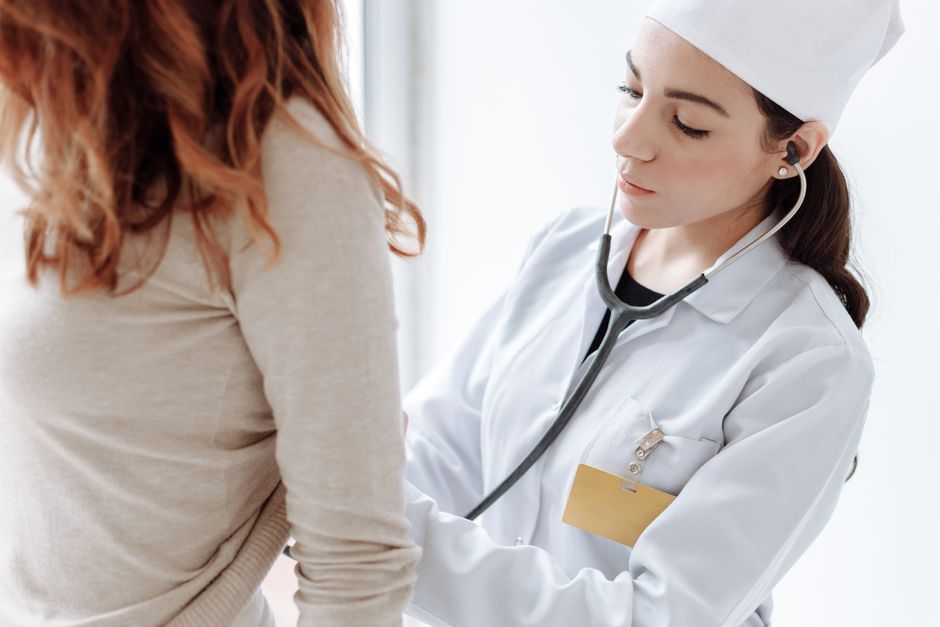
Most food poisoning cases clear up on their own within a few days with rest and fluids. But you should see a doctor if you have a fever above 101.5°F, blood in your stool, severe abdominal pain, or signs of dehydration like dark urine or dizziness when standing. You should also seek medical help if you cannot keep any liquids down for more than 24 hours, or if symptoms last longer than three days. For young children, older adults, pregnant women, or people with weakened immune systems, the threshold is lower — call a doctor at the first sign of serious symptoms.
What Are the First Signs That Food Poisoning Is Becoming Dangerous?
Food poisoning usually starts with nausea, vomiting, diarrhea, and stomach cramps. For most healthy adults, these symptoms are uncomfortable but not dangerous. The body is working to flush out the bacteria, virus, or toxin that caused the problem.
The danger signs are different. The CDC reports that about 48 million people get food poisoning each year in the United States, and 128,000 end up in the hospital. What separates those who recover at home from those who need medical care often comes down to a few specific symptoms.
Watch for a fever that goes above 101.5°F. This suggests the infection has moved beyond your gut. Also look for blood in your vomit or stool. Blood means the lining of your digestive tract is damaged. Severe abdominal pain that gets worse instead of better is another red flag. If you cannot keep fluids down for a full day, dehydration becomes a real risk.
How Do You Know If You Are Dehydrated From Food Poisoning?
Dehydration is the most common serious complication of food poisoning. When you lose fluids through vomiting and diarrhea faster than you can replace them, your body starts to struggle. The signs are easy to miss if you are not looking for them.
Check your urine color. Pale yellow means you are fine. Dark yellow or amber means you need more fluids. If you stop urinating altogether for more than six hours, that is a medical concern. Other signs include a dry mouth, sunken eyes, feeling dizzy when you stand up, and a rapid heart rate.
For older adults and young children, dehydration can happen much faster. The American Academy of Pediatrics warns that children can become dangerously dehydrated within hours of severe vomiting or diarrhea. If a child has not had a wet diaper in six hours or is crying without tears, they need medical attention.
When Should You See A Doctor For Food Poisoning If You Are Pregnant?
Pregnancy changes the immune system in ways that make foodborne infections more serious. Pregnant women are about 10 times more likely to get sick from Listeria bacteria than the general population, according to the American College of Obstetricians and Gynecologists. This infection can cause miscarriage, stillbirth, or severe illness in a newborn.
If you are pregnant and have symptoms of food poisoning — especially fever, muscle aches, or diarrhea — call your obstetrician. Do not wait to see if symptoms get better on their own. The same goes for vomiting that prevents you from keeping down prenatal vitamins or fluids.
Some foods that are safe for most people pose higher risks during pregnancy. Deli meats, unpasteurized dairy, and raw sprouts are common sources of Listeria. If you ate any of these and developed symptoms within a few days, mention it to your doctor.




What Does the Research Say About When Food Poisoning Needs Medical Treatment?
Most food poisoning is caused by viruses like norovirus or by bacteria like Salmonella, E. coli, and Campylobacter. Research published in the New England Journal of Medicine shows that the majority of these infections resolve without antibiotics or other medical intervention. The body clears the infection on its own within three to seven days.
But some infections require treatment. Shigella and certain strains of E. coli can cause complications like hemolytic uremic syndrome, which damages the kidneys. This condition is more common in children under five and adults over 60. Symptoms include decreased urination, fatigue, and bruising easily.
Antibiotics are not always the answer. For some infections, like E. coli O157:H7, antibiotics can actually make things worse by releasing more toxins into the bloodstream. This is why you should never take leftover antibiotics for food poisoning. A doctor needs to identify the specific cause before prescribing anything.
| Who Needs Medical Attention? | Why They Are at Higher Risk |
|---|---|
| Infants under 12 months | Small body size means faster dehydration |
| Adults over 65 | Weaker immune response, more chronic conditions |
| Pregnant women | Higher risk of severe infection and complications |
| People with diabetes, HIV, or on chemotherapy | Compromised immune system cannot fight infection as well |
| Anyone with kidney disease | Higher risk of kidney damage from dehydration or infection |
What Should You Do While Waiting for Symptoms to Pass?
If your symptoms are mild and you do not meet any of the criteria for seeing a doctor, you can manage food poisoning at home. The priority is replacing lost fluids and electrolytes. Plain water is fine, but it does not contain the sodium and potassium your body also needs.
Oral rehydration solutions are the most effective option. The World Health Organization has used them for decades. You can buy them at most drugstores. Sports drinks work in a pinch but often have too much sugar, which can make diarrhea worse. Broth and clear soups are another good choice.
- Drink small amounts frequently rather than large amounts at once
- Avoid dairy, caffeine, alcohol, and fatty or spicy foods for 48 hours
- Rest as much as possible — your body is fighting an infection
- Wash your hands thoroughly to avoid spreading the infection to others
- Do not take anti-diarrhea medications unless a doctor tells you to
The BRAT diet — bananas, rice, applesauce, and toast — is a common recommendation. Some evidence suggests these bland foods are gentle on the stomach, but there is not strong research proving they speed recovery. They are safe to eat if you feel up to it, but do not force food if your stomach is still unsettled.
What Common Mistakes Do People Make With Food Poisoning?
One of the biggest mistakes is taking medication to stop diarrhea too early. Diarrhea is the body’s way of getting rid of the infection. Blocking it with over-the-counter drugs like loperamide can keep the bacteria or virus inside your system longer. This can make the illness last longer or cause complications.
Another mistake is going back to a normal diet too quickly. Your digestive tract needs time to heal after an infection. Jumping straight into pizza or a heavy meal can cause symptoms to return. Stick to bland foods for at least 24 hours after your last episode of vomiting or diarrhea.
Some people also assume that if they have not thrown up in a few hours, they are fine to return to work or school. But many foodborne infections are contagious for days after symptoms stop. Norovirus, for example, can spread through stool for up to two weeks after recovery. Stay home until you have been symptom-free for at least 48 hours.
Frequently Asked Questions
How long after eating bad food do symptoms start?
It depends on the cause. Norovirus symptoms appear within 12 to 48 hours, while Staphylococcus toxin can cause symptoms in as little as 30 minutes to 6 hours.
Can food poisoning go away without treatment?
Yes, most cases resolve on their own within three to seven days with rest and fluids. Medical treatment is only needed for severe symptoms or high-risk individuals.
Is it safe to take Pepto-Bismol for food poisoning?
Pepto-Bismol can help with mild nausea and diarrhea, but it should not be used if you have a fever or bloody stool. It also contains salicylate, which is not safe for children or people taking blood thinners.
When should you go to the ER for food poisoning?
Go to the ER if you have blood in your vomit or stool, a fever over 103°F, severe abdominal pain, or signs of dehydration like confusion, rapid heart rate, or inability to stand.
