

When food poisoning hits, your body loses fluids fast through vomiting and diarrhea. The single most important thing you can drink is an oral rehydration solution (ORS). This is a specific mix of water, salt, and sugar that helps your intestines absorb fluid more effectively than plain water alone. Commercial options like Pedialyte or generic store brands work well. Clear broths and diluted apple juice can also help, but water alone is often not enough to replace the electrolytes you have lost.
What Exactly Is an Oral Rehydration Solution and Why Does It Work?
An oral rehydration solution is not just fancy sports drink marketing. It is a precise formula based on how the human gut absorbs water. Your small intestine uses a special pathway that requires both sodium and glucose to pull water into your bloodstream. Plain water does not trigger this pathway efficiently. The sugar in an ORS is not for energy — it is a transport mechanism for salt and water.
The World Health Organization has a standard recipe for ORS that has saved millions of lives worldwide from dehydration. Commercial versions you buy at the store follow the same principle. They contain about 2.5 grams of salt and 20 grams of sugar per liter of water. This ratio is not random. Research published in medical journals shows this specific balance maximizes fluid absorption.
Sports drinks like Gatorade are not the same thing. They contain too much sugar and not enough salt. For mild food poisoning, they are better than nothing. But for significant fluid loss, they are a poor substitute for a proper ORS.
What Can I Drink For Food Poisoning Relief Besides ORS?
Clear broths are a solid second choice. Chicken or vegetable broth provides salt and some minerals without the sugar that can worsen diarrhea. Make sure it is low-sodium broth if you are watching your salt intake, though the salt is actually helpful here. Warm broth can also be soothing if your stomach feels raw.
Diluted fruit juice is another option. Mix one part apple juice with four parts water. Full-strength juice is too high in sugar, which can pull water into your gut and make diarrhea worse. The dilution keeps the sugar low enough that it may help with hydration without causing more problems.
Coconut water is widely claimed to be a natural rehydration drink. Some studies suggest it can work for mild dehydration, but the evidence is mixed. The electrolyte balance in coconut water varies by brand and source. It is not standardized like a commercial ORS. If you use it, choose one with no added sugar and do not rely on it for severe fluid loss.
What Drinks Make Food Poisoning Worse?
Some drinks are actively harmful when you have food poisoning. Dairy is the most common offender. Milk, cream-based soups, and yogurt drinks can be hard to digest when your gut is inflamed. Lactose intolerance is temporary for many people during a stomach bug, even if you normally handle dairy fine.
Caffeinated drinks like coffee, black tea, and soda are problematic for two reasons. Caffeine is a mild diuretic, meaning it encourages your kidneys to produce more urine. This works against your efforts to retain fluid. Caffeine also irritates the stomach lining, which may trigger more vomiting.
Alcohol is a clear no. It dehydrates you directly and irritates your digestive tract. There is no amount of alcohol that helps with food poisoning. The same goes for sugary sodas and energy drinks. High sugar content can worsen diarrhea by drawing water into the bowel through a process called osmotic diarrhea.




How Do You Know If You Need Medical Help for Dehydration?
Mild dehydration can be managed at home with careful drinking. Moderate to severe dehydration requires medical attention. The CDC reports that about 48 million Americans get food poisoning each year, and roughly 128,000 are hospitalized. Dehydration is a primary reason for those hospitalizations.
Signs that you need medical help include: not being able to keep any fluids down for more than 24 hours, blood in your vomit or stool, a fever above 101.5°F, severe abdominal pain, or signs of dehydration that do not improve. Signs of dehydration include dry mouth, dark urine, urinating less than every six hours, dizziness when standing, and rapid heart rate.
For children and older adults, the threshold for seeking help is lower. Young children can become dangerously dehydrated within hours. Older adults often have less fluid reserve and may be on medications that affect hydration. If a child has not had a wet diaper in six hours or is unusually sleepy, call a doctor.
What Is the Best Way to Drink Fluids When You Have Food Poisoning?
How you drink matters as much as what you drink. Gulping down a full glass of ORS will likely trigger more vomiting. Your stomach needs small amounts at a time. Start with one tablespoon every five minutes. If that stays down for an hour, increase to two tablespoons every five minutes. After two hours without vomiting, you can try small sips from a cup.
Use a spoon or a medicine dropper for the smallest amounts if you are struggling. For children, a popsicle made from ORS can work well because they will take small amounts slowly without fighting it. The goal is to keep fluid intake steady and low-volume so your stomach can handle it.
Do not force fluids if you are actively vomiting. Wait 10 to 15 minutes after the last episode of vomiting, then try a tiny sip. If that comes back up, wait another 15 minutes and try again. Your body needs a short window of calm to start absorbing anything.
Comparison of Common Drinks for Food Poisoning Relief
| Drink | Electrolytes | Sugar Content | Best For |
|---|---|---|---|
| Oral Rehydration Solution | High (balanced) | Low (correct ratio) | Moderate to severe fluid loss |
| Clear Broth | Moderate (sodium) | None | Mild nausea, need for warmth |
| Diluted Apple Juice | Low | Low (diluted) | Mild cases, children who refuse ORS |
| Coconut Water (unsweetened) | Moderate (variable) | Low (natural) | Mild dehydration, if ORS unavailable |
| Sports Drinks | Low (too little salt) | High (too much sugar) | Better than water, not ideal |
| Plain Water | None | None | Only if no other options exist |
Common Misconceptions About What to Drink for Food Poisoning
One viral myth is that apple cider vinegar kills the bacteria causing food poisoning. There is no clinical evidence to support this. Drinking vinegar will not cure an infection and may irritate your already inflamed stomach lining. The same applies to lemon juice and other acidic home remedies.
Another widespread claim is that activated charcoal drinks can absorb toxins from food poisoning. While activated charcoal is used in hospital settings for certain poisonings, it is not effective for most foodborne illnesses. Taking it at home can interfere with medications and may cause vomiting or constipation. The evidence does not support its use for routine food poisoning.
Some people believe that drinking milk coats the stomach and relieves symptoms. This is not accurate. Milk can actually stimulate acid production and slow digestion, making nausea worse. The coating sensation is temporary and not helpful for recovery.
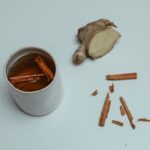
Ginger tea is one home remedy that has some evidence behind it. Research shows ginger can reduce nausea. It does not replace lost fluids or electrolytes, but it can make you feel well enough to drink more. If you use ginger tea, make it weak and let it cool to room temperature. Hot liquids can irritate an already sensitive stomach.
Frequently Asked Questions
Can I drink Gatorade for food poisoning?
Gatorade is better than plain water but not ideal. Its high sugar and low salt content make it less effective than an oral rehydration solution.
How long after vomiting should I try to drink?
Wait 10 to 15 minutes after the last episode of vomiting. Start with one tablespoon of fluid and wait another 10 minutes before taking more.
Is it safe to drink Pedialyte for food poisoning as an adult?
Yes, Pedialyte is safe and effective for adults. It has a better electrolyte balance than sports drinks and is designed for rehydration.
Can I drink coffee if I have food poisoning?
No. Coffee is a diuretic and can irritate your stomach. It may worsen dehydration and trigger more vomiting or diarrhea.
