
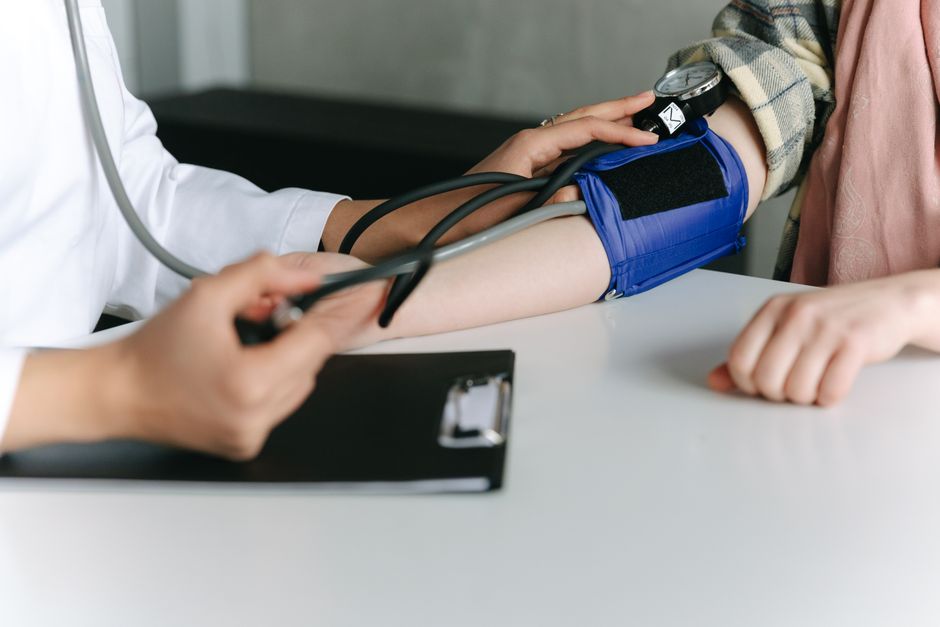
Workplace health monitoring is not about watching over every employee every minute of the day. It is about knowing when a specific job duty, a known hazard, or a change in an employee’s condition means extra attention is legally required or medically necessary. The answer depends on the industry, the specific risks of the role, and what the law mandates for that type of work.
When Is Health Monitoring Legally Required?
Occupational health surveillance is mandatory in specific high-risk jobs. These requirements exist because the work itself can cause disease or injury that develops silently over time. Think of jobs involving asbestos, lead, silica dust, noise above certain levels, or radiation exposure.
In these settings, monitoring is not optional. Employers must provide medical examinations before placement, at regular intervals during employment, and sometimes after exposure ends. The goal is early detection. Catching an issue at its earliest stage can prevent permanent damage and allow for job reassignment before the condition worsens.
The legal framework in the United States comes from the Occupational Safety and Health Administration (OSHA). OSHA standards specify exactly which medical tests are required, how often they must occur, and what triggers a follow-up exam. If an employee works in a role covered by these standards, the employer has a clear duty to arrange and pay for the monitoring.
What Is the Difference Between Monitoring and Supervision?
These two terms are often confused, but they mean different things in occupational health.
Health monitoring refers to medical surveillance. It involves biological tests, physical exams, and health questionnaires to detect changes caused by workplace exposures. A blood lead test for a battery plant worker is monitoring.
Supervision refers to observing work practices. It means ensuring employees follow safety procedures, use protective equipment correctly, and do not take shortcuts that increase risk. A supervisor watching a worker put on a respirator before entering a contaminated area is supervision.
Both are needed. Monitoring tells you if the body is absorbing a hazard. Supervision tells you if the hazard is being controlled at the source. One cannot replace the other.
Which Job Roles Require Regular Health Checks?
Certain categories of work carry enough risk that periodic medical evaluation is standard practice. These are not always legally mandated, but they are widely accepted as necessary by occupational health professionals.
- Workers exposed to respiratory hazards — Anyone required to wear a respirator needs medical clearance before fit testing. This confirms the employee can physically wear the device without strain on the heart or lungs.
- Commercial drivers — Federal regulations require physical exams to confirm vision, hearing, and cardiovascular fitness adequate for safe driving.
- Firefighters and emergency responders — Annual physical capacity testing helps confirm fitness for the extreme physical demands of the job.
- Workers handling hazardous chemicals — Depending on the chemical, liver function, kidney function, or nerve conduction tests may be needed at intervals.
- Employees working at heights or operating heavy machinery — Some employers screen for conditions like seizure disorders or uncontrolled diabetes that could cause sudden incapacitation.
The common thread is that a sudden medical event or a silent progressive disease could endanger the worker or others. Monitoring exists to catch what is fixable and to document what is not.




How Often Should Health Monitoring Happen?
There is no single answer that covers every job. Frequency depends on the hazard, its potency, and how long the worker has been exposed.
For noise exposure above the action level, OSHA requires audiograms annually. For lead exposure, blood lead testing may occur every six months or even more frequently depending on the results. For respirator users, a medical evaluation is required before fit testing, then periodically as the employer’s medical advisor determines.
Some monitoring is event-based rather than calendar-based. A sudden chemical spill, a failed engineering control, or a worker reporting new symptoms can trigger immediate testing even if the scheduled exam is months away. Event-based monitoring is critical because it captures acute exposures before they become chronic problems.
After employment ends, some hazards require ongoing surveillance. Asbestos-exposed workers may need periodic chest imaging for years after leaving the job because mesothelioma can develop decades later. This post-employment monitoring is a legal requirement under specific OSHA standards, not a courtesy.
What Should Employers Do When a Test Comes Back Abnormal?
An abnormal result is not the end of the process. It is the beginning of a structured response.
The first step is a follow-up evaluation with a physician who understands the job demands. Some abnormal results are false positives or reflect a condition unrelated to work. The physician must determine whether the finding is work-related and whether it affects the employee’s ability to do the job safely.
If the condition is work-related, the employer must review the exposure controls. This is where supervision becomes essential again. The question is not just “what is wrong with the worker” but “what is wrong with the workplace.” Engineering controls, ventilation, and protective equipment must be reassessed.
If the condition affects job safety, the employer must consider reasonable accommodations. This may mean reassignment to a lower-exposure role, modified duties, or additional protective measures. The Americans with Disabilities Act requires this interactive process when a medical condition substantially limits a major life activity.
When Should You Monitor And Supervise Employee Health Outside of Hazardous Jobs?
Monitoring is not limited to chemical plants and construction sites. Some office and service roles have health considerations that justify periodic checks.
Sedentary work does not require medical surveillance in the legal sense. However, if an employee develops a condition like uncontrolled high blood pressure or new-onset diabetes, the employer may need to consider whether the condition affects their specific duties. This is especially true for jobs that require prolonged concentration, driving, or operating machinery.
Mental health is another area where monitoring has expanded. Some employers offer voluntary wellness screenings for stress, anxiety, and depression. These are not medical surveillance programs. They are voluntary health promotion tools. The distinction matters because mandatory psychological screening raises serious privacy and discrimination concerns.
Return-to-work evaluations are a form of monitoring that applies across industries. After a serious illness, surgery, or injury, an employee may need clearance from their treating physician before resuming full duties. This protects the employee from overexertion and protects the employer from liability if the employee is not physically ready.
What Are the Limits of Workplace Health Monitoring?
Employers cannot monitor everything. There are legal and ethical boundaries that define what is acceptable.
Genetic testing is prohibited in most employment contexts under the Genetic Information Nondiscrimination Act (GINA). Employers cannot request genetic information or use it in employment decisions. This includes family medical history that might predict future disease risk.
Random drug testing is only legal in specific circumstances. It is permitted for safety-sensitive positions like commercial drivers and federal employees in certain roles. For general office workers, random drug testing is generally not permissible under state laws unless there is a specific safety justification.
Medical records must be kept confidential and separate from personnel files. Only the occupational health provider and designated management representatives should see them. Supervisors should never have direct access to an employee’s medical file.
The purpose of monitoring is to protect health, not to discriminate against workers with health conditions. When monitoring becomes a tool for excluding people with disabilities or chronic illnesses, it crosses a legal line. The focus must always be on the specific demands of the job and the worker’s ability to perform them with or without accommodation.
Frequently Asked Questions
Can an employer require a medical exam before hiring?
Yes, but only after a conditional job offer has been made and only if the exam is job-related and consistent with business necessity. The exam must be required for all entering employees in the same job category, not just selected individuals.
Does an employee have to share their medical records with their supervisor?
No. Medical records go to the occupational health professional, not the direct supervisor. The supervisor only receives information about work restrictions or accommodations necessary to perform the job safely.
Can an employee refuse a required health monitoring test?
Refusal is possible, but there are consequences. For OSHA-mandated surveillance, refusing a required test may remove the employee from the hazardous work because the employer cannot confirm the worker remains protected. The employee may lose the assignment but not the job itself.
Is mental health monitoring allowed in the workplace?
Voluntary mental health screening programs are allowed and increasingly common. Mandatory psychological testing is only permissible when a specific job has demonstrated psychological demands that make such testing job-related and consistent with business necessity.
