
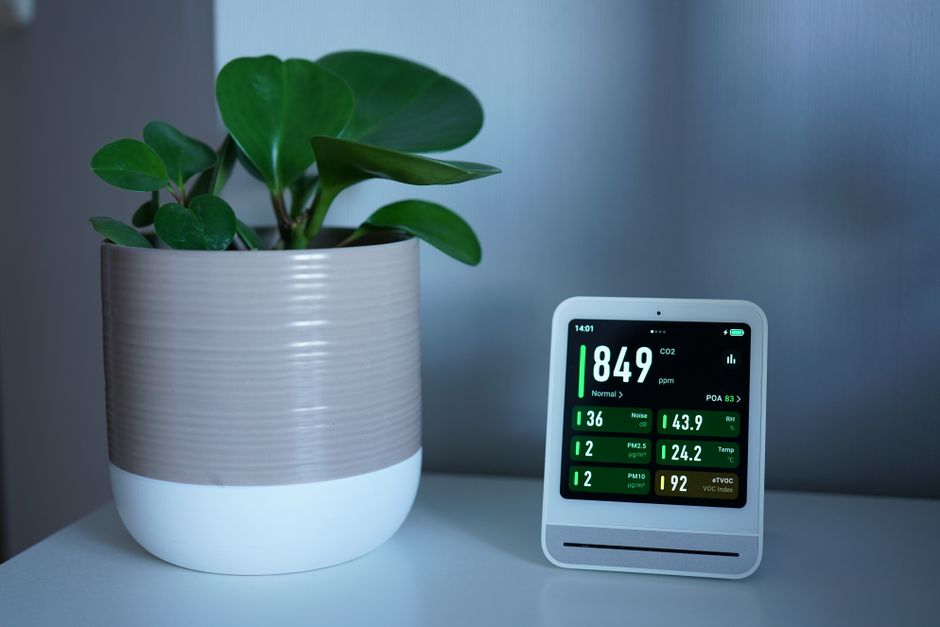
Indoor pollution is the presence of harmful contaminants in the air inside homes, schools, and workplaces. These pollutants come from everyday items like cleaning products, gas stoves, furniture, and even the building materials themselves. Because people spend most of their time indoors, indoor air quality can affect health more than outdoor air in many cases.
What Are the Main Causes of Indoor Air Pollution?
Indoor air pollution comes from many sources that are common in most homes. The specific mix of pollutants depends on the building, its age, and the habits of the people living there.
Combustion sources are a major contributor. Gas stoves, wood-burning fireplaces, and tobacco smoke release carbon monoxide, nitrogen dioxide, and fine particles into the air. Even a gas stove that is turned off can leak small amounts of methane and other gases.
Building materials and furnishings also matter. Pressed wood products like particleboard and plywood contain formaldehyde, a chemical that off-gasses into the air over time. Carpets, upholstery, and paints release volatile organic compounds, known as VOCs. These chemicals evaporate at room temperature and can build up in poorly ventilated spaces.
Household products add to the load. Cleaning supplies, air fresheners, and personal care products release a range of VOCs. Some studies have found that using scented products indoors can significantly raise indoor VOC levels, sometimes for hours after the product is used.
Biological contaminants are another category. Dust mites, mold, pet dander, and pollen all live indoors. High humidity encourages mold and dust mite growth, which can trigger allergies and asthma symptoms. Cockroach droppings and rodent debris are also common indoor allergens, especially in older buildings.
Radon is a different kind of indoor pollutant. It is a radioactive gas that seeps into homes through cracks in the foundation. It comes from uranium in the soil. Radon is the second leading cause of lung cancer after smoking, according to the U.S. Environmental Protection Agency.
What Health Effects Are Linked to Indoor Air Pollution?
Health effects from indoor air pollution range from mild irritation to serious long-term disease. The effects depend on the pollutant, the exposure level, and how long the exposure lasts.
Short-term exposure commonly causes eye, nose, and throat irritation. Headaches, dizziness, and fatigue are also reported. These symptoms are sometimes called sick building syndrome when they occur in a specific building and improve when the person leaves.
Some people are more sensitive than others. Children, older adults, and people with asthma or heart disease are at higher risk. For people with asthma, indoor pollutants like nitrogen dioxide from gas stoves and fine particles from smoke can trigger attacks and worsen symptoms.
Long-term exposure carries more serious risks. Persistent exposure to fine particles is associated with cardiovascular disease and respiratory disease. Formaldehyde exposure is classified as a known human carcinogen, linked to leukemia and nasal cancers, though the risk from typical household levels is considered low.
Radon exposure is the clearest example of a serious long-term risk. Breathing radon over many years damages lung tissue and increases lung cancer risk. The risk is much higher for people who smoke and also have high radon exposure.
How Does Indoor Air Pollution Compare to Outdoor Air Pollution?
Indoor air is not always cleaner than outdoor air. In fact, indoor concentrations of many pollutants are often higher than outdoor levels. This happens because indoor spaces trap pollutants and have limited air exchange with the outside.
Research has consistently found that indoor levels of VOCs, formaldehyde, and some fine particles can be several times higher indoors than outdoors. This is true even in urban areas with significant outdoor pollution.
One reason is that many products emit pollutants indoors continuously. Furniture, paint, and cleaning products keep releasing VOCs over time. Outdoor pollution enters the home through open windows, doors, and ventilation systems, adding to the indoor load.
People spend about 90% of their time indoors, according to the U.S. Environmental Protection Agency. This makes indoor exposure the dominant route for many pollutants, even when outdoor levels are higher. The combination of higher concentrations and more time spent indoors means indoor air often has a greater impact on total personal exposure.




What Are the Warning Signs of Poor Indoor Air Quality?
Poor indoor air quality does not always produce obvious signs. Some people notice symptoms only after spending time in a specific room or building. Others feel fine but still live with elevated pollutant levels.
Common warning signs include:
- Persistent headaches or fatigue that improves when you leave the building
- Frequent eye, nose, or throat irritation
- Musty or chemical odors that do not go away with cleaning
- Visible mold growth on walls, ceilings, or around windows
- Excess moisture or condensation on windows and surfaces
- Asthma symptoms that worsen at home but improve outdoors
These signs are not proof of a specific pollutant. They are clues that the indoor environment may need attention. A home energy audit or professional indoor air quality assessment can identify the specific sources.
Some pollutants have no warning signs at all. Carbon monoxide is odorless and colorless. Radon is also invisible and odorless. The only way to know if these are present is to test for them. Carbon monoxide detectors are inexpensive and widely available. Radon test kits are also sold at hardware stores and online.
What Are the Most Effective Ways to Reduce Indoor Air Pollution?
Reducing indoor air pollution starts with removing or limiting the sources. Ventilation and air cleaning are secondary steps that help when sources cannot be fully eliminated.
Source control is the most effective strategy. If a product releases pollutants, removing it from the home is the clearest solution. This includes not smoking indoors, fixing water leaks that promote mold growth, and choosing low-VOC paints and furniture when possible.
Ventilation dilutes indoor pollutants with outdoor air. Opening windows and doors when weather allows is simple and effective. Exhaust fans in kitchens and bathrooms remove pollutants at their source. Range hoods that vent to the outside are especially helpful for gas stoves, which release nitrogen dioxide and fine particles during cooking.
Air cleaners can help, but they have limits. Portable air purifiers with HEPA filters remove particles like dust, pollen, and smoke. They do not remove gases like formaldehyde, radon, or carbon monoxide. For gas removal, some purifiers use activated carbon filters, but these need regular replacement and have limited capacity.
Maintaining proper humidity also matters. Keeping indoor humidity between 30% and 50% reduces dust mite growth and mold. Dehumidifiers help in damp basements and humid climates. In dry climates, humidifiers may be needed to prevent dry air from irritating the respiratory tract.
Testing for radon is a specific step every homeowner should take. The EPA recommends testing all homes for radon, regardless of geographic location. If levels are high, professional mitigation systems can reduce radon concentrations significantly.
Are Houseplants an Effective Solution for Indoor Air Pollution?
Houseplants are popular as a natural air-cleaning solution, but the evidence is mixed. Early research in the 1980s showed that certain plants could remove VOCs from sealed laboratory chambers. These findings were widely publicized and led to the belief that houseplants could significantly clean indoor air.
Later research has questioned whether these results apply to real homes. The laboratory studies used much higher pollutant concentrations than are found in typical indoor spaces. In real rooms, the air exchange rate and the volume of the space make it unlikely that a few houseplants would have a meaningful effect on pollutant levels.
Some research suggests that houseplants may make a small contribution to indoor air quality, but they are not a substitute for source control and ventilation. A review of multiple studies concluded that while plants can remove some pollutants, the effect is modest and would require a very large number of plants to achieve meaningful reductions in a typical room.
Houseplants do offer other benefits. They add humidity to dry indoor air and can have positive effects on mood and stress. But if your goal is reducing indoor pollution, focus on removing sources and improving ventilation first.
How Often Should You Test Indoor Air Quality?
There is no standard schedule for testing indoor air quality. Unlike water quality, which has routine testing recommendations, indoor air testing is usually done in response to specific concerns or symptoms.
Radon testing is the exception. The EPA recommends testing your home for radon every two years, or after any major renovation that could change the building’s foundation or ventilation. If you have never tested your home for radon, that is the first test to do.
Carbon monoxide detectors should be installed on every level of the home and near sleeping areas. These are not a one-time test. They monitor continuously and alert you when levels become dangerous. Check the batteries regularly and replace the detectors according to the manufacturer’s instructions.
For other pollutants, testing is warranted when you notice symptoms that improve when you leave the home, when you see visible mold, or when you have recently installed new furniture, flooring, or paint that has a strong odor. Professional testing can measure VOCs, formaldehyde, mold spores, and other specific pollutants.
If you are healthy and have no symptoms, routine testing for VOCs and formaldehyde is not necessary. Focus on prevention through source control and ventilation instead.
Frequently Asked Questions
What is the most common indoor air pollutant?
Fine particles and volatile organic compounds are the most common indoor pollutants. They come from cooking, cleaning products, furniture, and building materials.
Can indoor air pollution cause long-term health problems?
Yes, long-term exposure to some indoor pollutants is linked to respiratory disease, cardiovascular disease, and lung cancer. Radon and formaldehyde are the most clearly established long-term risks.
How do I know if my indoor air is unhealthy?
Symptoms like headaches, fatigue, and throat irritation that improve when you leave the building are common signs. Testing for radon and installing carbon monoxide detectors are the first steps to identify invisible hazards.
Do air purifiers remove all indoor pollutants?
No. HEPA air purifiers remove particles like dust and smoke but do not remove gases like radon, carbon monoxide, or formaldehyde. Source control and ventilation are more effective than air purifiers alone.
