
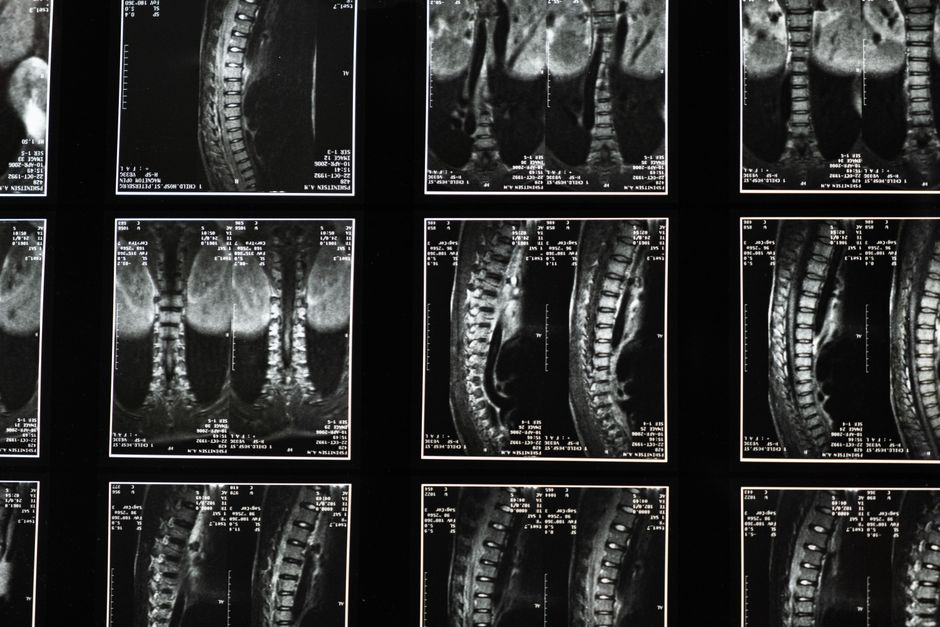
A lumbar discectomy is surgery to remove a piece of a spinal disc that is pressing on a nerve in your lower back. It is one of the most common spine surgeries in the United States, with over 300,000 performed each year according to the American Academy of Orthopaedic Surgeons. The goal is simple: take pressure off the nerve to stop leg pain, numbness, or weakness caused by a herniated disc. Recovery is typically faster than older spine surgeries, but it still requires careful attention to healing.
What Exactly Happens During a Lumbar Discectomy?
A surgeon makes a small incision in the middle of your lower back. They move muscles aside, not cut them, to reach the spine. Then they remove the small piece of disc material that is bulging out and pressing on a nerve root.
Most procedures today use a microscope or special magnifying glasses. This is called a microdiscectomy. It allows the surgeon to see clearly and make a smaller cut. The surgery usually takes one to two hours. You are asleep under general anesthesia the whole time.
Some surgeons offer a tubular discectomy. This uses a tube to reach the spine through a tiny opening. The recovery is similar to a microdiscectomy. Both have strong evidence supporting their effectiveness, according to research published in the journal Spine.
Who Is a Good Candidate for This Surgery?
Not everyone with a herniated disc needs surgery. Most people get better with time and conservative care. The American Academy of Neurology reports that 80 to 90 percent of people with a herniated lumbar disc improve within six weeks without surgery.
Surgery becomes an option when leg pain does not go away after six to twelve weeks of rest, physical therapy, or medication. It is also considered if you have worsening numbness or weakness in your leg. The most urgent reason for surgery is a condition called cauda equina syndrome, where a large disc piece presses on the bundle of nerves at the bottom of the spinal cord. This causes loss of bladder or bowel control and requires emergency surgery.
You are a good candidate if your main symptom is leg pain, not back pain. Surgery works well for leg pain from nerve compression. It does not reliably fix chronic low back pain alone.
What Does Recovery Look Like After Surgery?
Most people go home the same day or the next morning. You will need someone to drive you. The first few days involve rest, ice packs on the incision, and walking short distances around your house. Walking is encouraged because it prevents blood clots and keeps muscles moving.
You will have lifting restrictions for about four to six weeks. Most surgeons tell you not to lift anything heavier than ten pounds, about the weight of a gallon of milk. You also avoid bending at the waist, twisting your spine, or sitting for long periods. These movements increase pressure on the healing disc.
Returning to work depends on your job. People with desk jobs often go back in two to four weeks. People with physically demanding jobs may need three to four months. Driving is usually allowed after one to two weeks, but only if you can slam on the brakes without pain or hesitation.





What Does the Research Show About Success Rates?
The evidence for lumbar discectomy is strong. A landmark study called the SPORT trial, published in the Journal of the American Medical Association, followed patients for eight years. It found that people who had surgery for a herniated disc reported significantly less leg pain and better function than those treated without surgery.
Success rates are high when the right patient is selected. Studies show that 85 to 90 percent of people with leg-dominant pain from a herniated disc get good or excellent results from surgery. Results mean complete or near-complete relief of leg pain.
But the research also shows something important: many people who do not have surgery also improve over time. The difference is speed. Surgery relieves leg pain faster. After one or two years, the gap between surgery and non-surgery groups narrows. This does not mean surgery is unnecessary. It means the decision is about quality of life and how long you want to wait for relief.
What Are the Risks and Possible Side Effects?
Lumbar discectomy is safe, but no surgery is risk-free. The most common issue is a dural tear. This is a small hole in the sac that holds spinal fluid. It happens in about 2 to 4 percent of surgeries. If the surgeon sees it during the operation, they stitch it closed. It usually heals on its own with extra rest.
Infection occurs in about 1 to 2 percent of cases. It is usually superficial and treated with antibiotics. Deep infections are rare but require more treatment.
Nerve damage is possible but uncommon. The same research in Spine puts the risk at less than 1 percent. This could cause new numbness, weakness, or rarely bowel or bladder problems.
The most frustrating risk is reherniation. The disc can herniate again at the same spot. Studies suggest this happens in about 5 to 10 percent of people within the first few years. If it happens, some people need another surgery. Following lifting and bending restrictions reduces this risk.
| Risk | How Often It Happens | What It Means |
|---|---|---|
| Dural tear | 2-4% | Small fluid leak, usually stitched during surgery |
| Infection | 1-2% | Mostly superficial, treated with antibiotics |
| Nerve damage | Less than 1% | Rare, can cause new numbness or weakness |
| Reherniation | 5-10% | Disc bulges again, may need repeat surgery |
What Should You Avoid During Recovery?
Do not sit for more than 30 minutes at a time during the first few weeks. Sitting puts more pressure on your lower discs than standing or lying down. Get up and walk every hour even if you feel fine.
Avoid bending at the waist to pick things up. Use your legs to squat instead. Avoid twisting your spine when reaching for something. Move your whole body instead of just your back.
Do not drive until your surgeon clears you. The risk is not just pain. If you need to slam on the brakes suddenly, the movement can strain the surgical site. Most surgeons say one to two weeks minimum.
Do not lift anything heavier than a gallon of milk for at least four weeks. This includes groceries, laundry baskets, and children. Many people reherniate because they lifted something too heavy too soon.
One more thing that is rarely discussed: do not rush physical therapy. Some people want to start immediately to speed recovery. But the first two weeks are for healing the incision and letting inflammation settle. Gentle walking is enough. Your surgeon will tell you when to start formal therapy.
Frequently Asked Questions
How long does it take to fully recover from a lumbar discectomy?
Most people return to normal daily activities within six weeks. Full recovery for heavy lifting or sports can take three to four months.
Will I still have back pain after a discectomy?
Some back pain is common during recovery. The surgery mainly treats leg pain from nerve compression, not chronic low back pain.
Can a herniated disc come back after surgery?
Yes, reherniation happens in about 5 to 10 percent of cases. Following lifting and bending restrictions lowers the risk significantly.
Do I need physical therapy after a discectomy?
Most surgeons recommend it. Therapy usually starts two to four weeks after surgery to strengthen core muscles and improve posture.
