
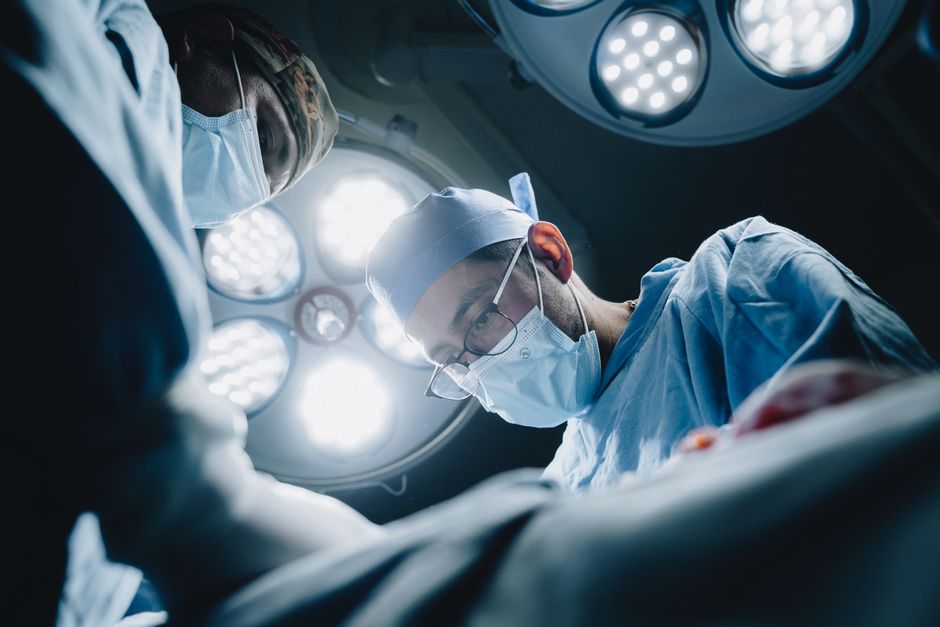
A hemispherectomy is a rare, major brain surgery where one half of the brain is either removed or completely disconnected from the other half. It is a last-resort treatment for severe, drug-resistant epilepsy, most often in children. The goal is to stop life-threatening seizures when no other treatment works. Recovery is long and involves intensive therapy, but many children go on to live full lives with surprisingly good function.
What Exactly Is a Hemispherectomy?
A hemispherectomy is not a single surgery. It is a category of procedures that all do the same thing — stop electrical signals from spreading from a damaged half of the brain. The damaged hemisphere is either physically taken out (anatomical hemispherectomy) or surgically disconnected from the healthy hemisphere (functional hemispherectomy). The functional version is more common today because it carries a lower risk of complications like bleeding.
The surgery is only considered when a child has seizures that start in one hemisphere and do not respond to medication. Conditions like Rasmussen’s encephalitis, Sturge-Weber syndrome, and hemimegalencephaly are the most common reasons. The brain of a young child is still developing and can reorganize functions like movement and language to the remaining hemisphere. This is why the procedure is mostly done in children under 5, though older children and rarely adults have had it too.
It is important to understand that this is not a cure for epilepsy in the usual sense. It is a treatment that removes or isolates the source of the seizures. About 70 to 80 percent of children who have a hemispherectomy become seizure-free or have a dramatic reduction in seizures. That number comes from research published in journals like Epilepsia and Neurology.
Who Is a Candidate for Hemispherectomy?
Candidates are children with severe, drug-resistant epilepsy that clearly originates from one brain hemisphere. The seizures must be disabling enough that the risks of surgery are worth taking. Doctors use EEG, MRI, and sometimes PET scans to confirm that the seizures are coming from only one side.
The most common conditions leading to hemispherectomy include:
- Rasmussen’s encephalitis — a rare inflammatory disease that slowly destroys one hemisphere
- Sturge-Weber syndrome — a condition that causes abnormal blood vessels in the brain
- Hemimegalencephaly — a condition where one hemisphere is larger and malformed
- Stroke or trauma that damaged one hemisphere extensively
Age matters. The younger the child, the better the brain can adapt. Most surgeons prefer to operate before age 5, though older children can still benefit. The decision is made by a team that includes a neurologist, neurosurgeon, psychologist, and social worker. It is never a quick decision.
What Are the Risks of Hemispherectomy?
This is major brain surgery. The risks are serious and must be weighed carefully against the risk of uncontrolled seizures. The most common complications include infection, bleeding, and fluid buildup in the brain. Hydrocephalus, or excess fluid, occurs in about 10 to 30 percent of cases and often requires a shunt.
Other risks include:
- Blood loss during surgery, especially in young children
- Stroke or damage to the healthy hemisphere
- Meningitis or other infections
- Motor weakness on the side opposite the surgery
- Vision loss — half of the visual field is lost on the same side as the surgery
Mortality rates for hemispherectomy have dropped significantly. In modern surgical centers, the risk of death is under 2 percent. That is a huge improvement from earlier decades. Still, it is not zero. Parents need to hear that number directly from their surgeon.
| Procedure Type | What Is Removed or Disconnected | Common Risks |
|---|---|---|
| Anatomical Hemispherectomy | The entire hemisphere is physically removed | Higher bleeding risk, more hydrocephalus |
| Functional Hemispherectomy | The hemisphere is disconnected but left in place | Lower bleeding risk, still risk of hydrocephalus |





What Does Recovery Look Like After Hemispherectomy?
Recovery is not fast. The hospital stay is usually 1 to 2 weeks, with the first few days in the intensive care unit. Children wake up with weakness on one side of the body — the side opposite the surgery. They often need help with walking, using their arm, and even speaking.
Physical therapy starts early, often within days of surgery. Occupational therapy helps with daily tasks. Speech therapy is common, especially if the left hemisphere was involved. The brain is remarkably adaptable in young children. Many regain the ability to walk and use their hand, though fine motor skills on the affected side often remain limited.
Some studies suggest that children who have a hemispherectomy before age 5 can develop near-normal language skills, even when the left hemisphere is removed. This is because the right hemisphere can take over language functions. Older children and adults lose this ability to reorganize. Their recovery focuses more on compensation than full recovery.
What Are the Long-Term Outcomes?
Long-term outcomes vary widely. The most important factor is seizure control. Children who become seizure-free tend to have better cognitive and developmental outcomes. About 70 percent of children remain seizure-free long term, according to research from the Cleveland Clinic and other major epilepsy centers.
Motor function is almost always affected. Children typically have weakness on one side, but most learn to walk independently. Many can use their affected hand for support, though fine movements like writing or buttoning a shirt often require the stronger hand. Vision loss in half of the visual field is permanent.
Cognitive outcomes depend on the underlying condition. Children with Rasmussen’s encephalitis, who had normal development before the disease, often do better than children with hemimegalencephaly, who may have had developmental delays from birth. Many children attend regular school, though some need special education support.
Behavioral and emotional challenges are common. The surgery does not fix pre-existing behavioral issues, and some children develop new ones. Depression, anxiety, and attention problems are reported more often than in the general population. Regular follow-up with a psychologist is a good idea.
What Are Common Misconceptions About Hemispherectomy?
One major misconception is that removing half the brain leaves a person with only half a mind. That is not true. The remaining hemisphere takes over many functions. Children can learn, talk, and form relationships. Their intelligence may be below average, but many live independently as adults.
Another myth is that hemispherectomy is only for infants. While it is most common in young children, teenagers and even adults have had the surgery. The outcomes are not as good for motor and language recovery, but seizure control is similar. The decision is based on the individual case.
Some people believe that hemispherectomy is a cure with no downsides. That is false. The surgery has permanent effects — weakness, vision loss, and cognitive challenges. The goal is not a perfect outcome. The goal is stopping seizures that are destroying quality of life. For many families, that trade-off is worth it.
What to Avoid When Researching Hemispherectomy
Avoid reading only success stories. Every surgery has risks, and every child’s outcome is different. Look for balanced information from medical centers that actually perform the surgery. The Epilepsy Foundation and major children’s hospitals are reliable sources.
Do not assume that the surgery will fix all problems. Seizure freedom does not guarantee normal development. Many children still need therapies and support for years. Setting realistic expectations helps families prepare emotionally and practically.
Avoid comparing your child to others. Every case is different. The underlying condition, the age at surgery, and the quality of rehabilitation all matter. Focus on your child’s specific situation and what the medical team recommends.
Frequently Asked Questions
How long does hemispherectomy surgery take?
The surgery typically takes 4 to 8 hours depending on the technique used. The child is under general anesthesia for the entire procedure.
Can a person live a normal life after hemispherectomy?
Many people live full, independent lives but with permanent physical limitations like weakness on one side. Cognitive and emotional support is often needed.
Is hemispherectomy the same as a lobotomy?
No, they are completely different procedures. A hemispherectomy removes or disconnects an entire brain hemisphere while a lobotomy is an outdated procedure that cuts connections in the frontal lobe.
What is the success rate of hemispherectomy for seizures?
About 70 to 80 percent of children become seizure-free or have a major reduction in seizures. Success rates are highest when surgery is done early.
