
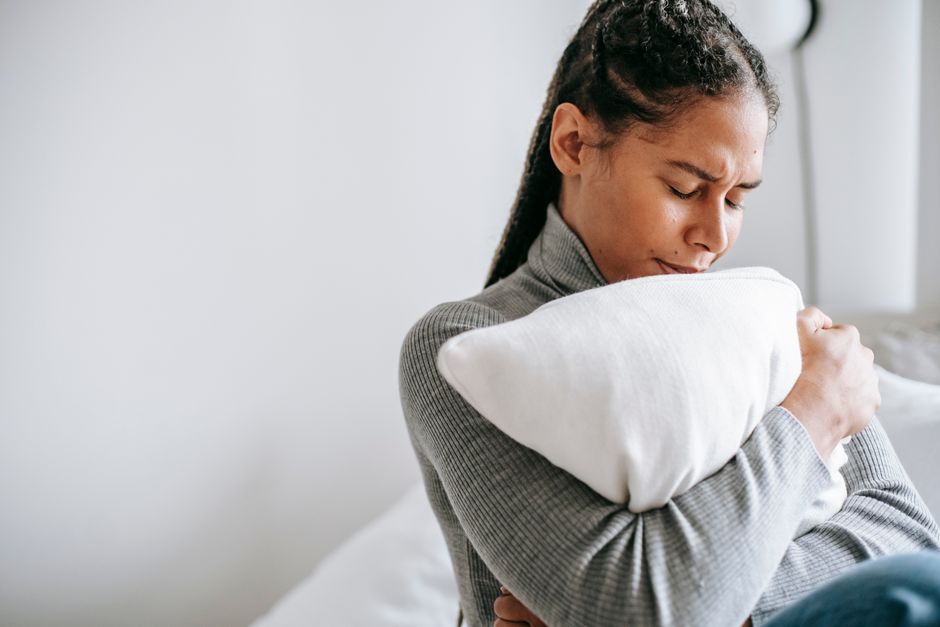
Waking up soaked through your pajamas and sheets is not normal, and it is not just “being a hot sleeper.” Night sweats are defined as excessive sweating during sleep that soaks your clothing or bedding, and they happen even when your bedroom is cool. The key difference between night sweats and ordinary warmth is that night sweats are heavy enough to require changing clothes or sheets, and they often come with other symptoms. If you have drenching sweats that repeat, last more than a few nights, or come with fever, weight loss, or swollen lymph nodes, see a doctor promptly.
Occasional night sweats can follow a fever, a hot room, or a heavy meal. Recurring drenching sweats are a different matter. They can point to infection, hormone changes, some cancers, or a side effect of medication. The pattern and the company they keep usually tell the story.
What Counts as Night Sweats?
Night sweats are episodes of heavy sweating during sleep that soak your clothes or bedding. They are not the same as feeling warm because your room is hot or your blanket is thick.
The medical term is sleep hyperhidrosis. Doctors generally reserve it for sweating severe enough to drench sleepwear or sheets, often night after night. Ordinary sweating from a warm bedroom or a heavy duvet does not meet that bar.
One point worth clearing up: night sweats and hot flashes overlap but are not identical. A hot flash is a sudden wave of heat, often with flushing and a racing heart, that can happen day or night. Night sweats describe the sweating itself. Many women going through menopause get both, which is why the two get lumped together.
The important question is not whether you sweat at night. It is whether the sweating is heavy, repeated, and paired with other symptoms.
When Should You Be Worried About Night Sweats?
You should be worried when night sweats are drenching, happen most nights, and come with warning signs like unexplained weight loss, fever, or lumps under the skin. Those combinations push the cause toward something that needs medical evaluation.
See a doctor if any of the following apply:
- Sweats soak your clothes or sheets and happen most nights
- You have lost weight without trying
- You have a fever, chills, or night sweats that come and go for weeks
- You feel swollen, painless lumps in your neck, armpits, or groin
- You have ongoing fatigue, cough, or trouble breathing
- You started a new medication shortly before the sweats began
- The sweats started after age 50 with no clear cause
The word drenching matters. A little dampness on a warm night is common. Waking up needing to change your pajamas and strip the bed is not. That pattern is what doctors call clinically significant and what triggers testing.
Timing also matters. Sweats tied to a fever from a short illness usually resolve when the illness does. Sweats that persist for weeks, or that keep returning, need a closer look.
What Causes Night Sweats?
The causes fall into a few broad groups: infections, hormone changes, cancers, medications, and other conditions. Most cases turn out to have a treatable explanation, but the serious ones need to be ruled out.
Infections
Infections are a common cause. Tuberculosis is a classic one and still a real concern in some parts of the world and in people with certain risk factors. Other infections, including some bacterial and viral illnesses, can trigger night sweats too. Fever is often part of the picture.
Hormone changes
Menopause is one of the most common causes in women. Falling estrogen levels affect the body’s temperature regulation, which can set off hot flashes and night sweats. This is a normal transition, not a disease, though the sweating can be disruptive.
Low blood sugar, called hypoglycemia, can also cause sweating. This matters most for people with diabetes, especially those taking insulin or certain other diabetes medications.
Cancers
Some cancers cause night sweats, particularly lymphomas such as Hodgkin lymphoma and non-Hodgkin lymphoma. Drenching night sweats are one of the classic “B symptoms” of lymphoma, along with unexplained weight loss and fever. This does not mean night sweats usually mean cancer. They usually do not. But drenching sweats with weight loss and swollen lymph nodes are the combination that should prompt a doctor’s visit.
Medications
Many medications list night sweats as a side effect. Antidepressants, especially SSRIs, are a well-known example. Others include certain pain relievers, hormone treatments, and diabetes drugs. If sweats started soon after a new prescription, that timing is worth mentioning to your doctor.
Other conditions
An overactive thyroid, anxiety, alcohol use, and obstructive sleep apnea have all been linked to night sweats. So has gastroesophageal reflux. In many cases, no single cause is found, which doctors call idiopathic night sweats.



How Do Doctors Figure Out the Cause?
Doctors start with your history and a physical exam. The details you provide often narrow the list faster than any test.
Expect questions about when the sweats started, how often they happen, how severe they are, and what other symptoms you have. Bring a list of every medication and supplement you take. Mention any recent travel, infections, or weight changes.
Depending on what turns up, testing may include blood counts, thyroid function, blood sugar, and imaging such as a chest X-ray. If lymphoma is a concern, a doctor may recommend a lymph node biopsy. There is no single test for night sweats. The workup is guided by your specific symptoms.
One practical note: keeping a simple log of when sweats happen and what you ate, drank, or took beforehand can help your doctor spot patterns.
What Can You Do About Night Sweats?
Home measures can reduce discomfort, but they do not treat an underlying cause. If a cause is found, treating it is what resolves the sweats.
Practical steps that may help:
- Keep the bedroom cool and use breathable bedding and sleepwear
- Limit alcohol and spicy food in the evening
- Keep a change of clothes and a towel nearby
- Track triggers and symptoms to share with your doctor
If menopause is the cause, some women find relief with hormone therapy or other treatments, but these carry their own risks and benefits that need a conversation with a clinician. No single approach works for everyone.
Be cautious with supplements marketed for night sweats. Many make claims that no large human trial has confirmed. If you want to try one, discuss it with your doctor first, especially if you take other medications.
When Are Night Sweats Probably Not Serious?
Night sweats are often harmless. A warm room, a heavy blanket, a fever from a short-lived virus, or a spicy late dinner can all cause them.
If the sweats are mild, happen only now and then, and you feel otherwise well, they are unlikely to signal something serious. That said, “probably not serious” is not the same as “ignore it.” If the pattern changes, or if new symptoms appear, get it checked.
The honest position is this: most night sweats have a benign or treatable cause, but the serious causes are real and worth ruling out. Pay attention to severity, frequency, and what comes with them.
Frequently Asked Questions
How many nights of night sweats before I should see a doctor?
There is no strict number, but drenching sweats that happen most nights for more than a week or two deserve a medical visit. If they come with weight loss, fever, or swollen lymph nodes, see a doctor sooner.
Can night sweats be a sign of cancer?
They can be, particularly with lymphomas, but most night sweats are not caused by cancer. The concerning pattern is drenching sweats plus unexplained weight loss, fever, or painless swollen lymph nodes.
Are night sweats normal during menopause?
Yes, they are common during the menopausal transition because of falling estrogen levels. They are considered a normal part of that change, though they can be disruptive and treatment options exist.
What is the difference between night sweats and just being hot?
Night sweats soak your clothes or bedding even in a cool room, while feeling hot is usually relieved by cooling the room or removing blankets. The severity and the need to change sheets is the key difference.
