
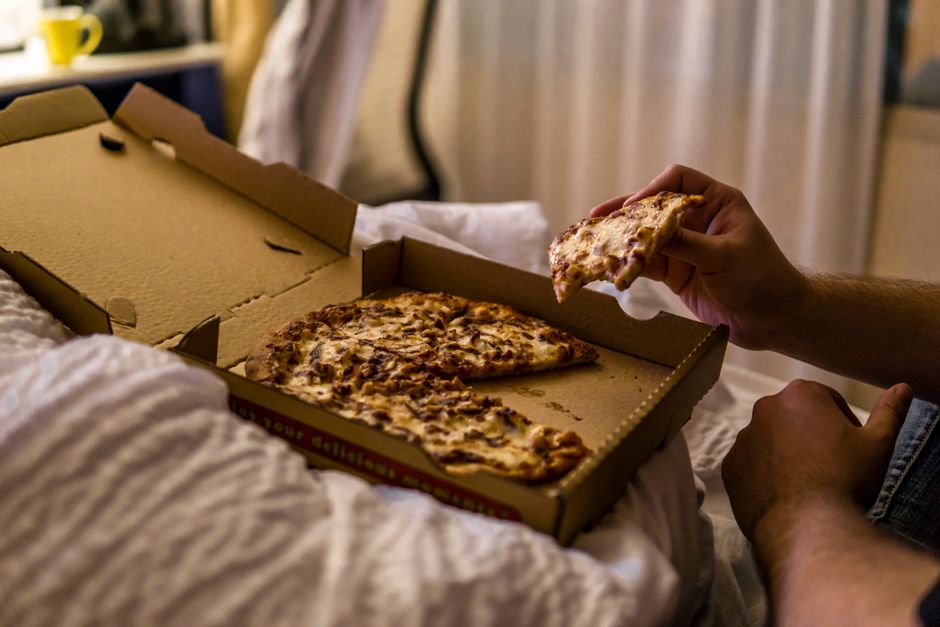
Eating late at night does not cause weight gain by itself. Weight gain happens when you take in more calories than your body burns, regardless of the time of day. However, eating late often leads to extra calories because of the types of food chosen and the reasons behind the eating. The timing matters less than the total amount and quality of what you consume.
What Does the Research Actually Say About Late-Night Eating?
Studies on late-night eating have produced mixed results. Some research suggests that eating close to bedtime is linked to higher body weight. Other studies find no connection once total calorie intake is accounted for.
The strongest evidence points to a simple truth: calories eaten late at night are still calories. Your body does not switch off its metabolism when the sun goes down. It processes food around the clock. The problem is that late-night eating sessions often involve high-calorie snacks like chips, ice cream, or leftover takeout. Those extra calories add up quickly.
Some research also indicates that eating late may affect how your body handles blood sugar and insulin. One small study found that eating a late dinner reduced glucose tolerance the next morning. That means your body may not process sugar as efficiently after a late meal. But this area of research is still developing, and results are not uniform across studies.
The Real Reason Late-Night Eating Is Linked to Weight Gain
The main issue is not the clock on the wall. It is what happens around late-night eating that drives weight gain.
People who eat late at night often do so for reasons unrelated to hunger. Stress, boredom, habit, or watching television can trigger eating. These eating episodes tend to be mindless. You may finish an entire bag of pretzels without noticing. Those calories are not planned and not needed.
Late-night eaters also tend to choose foods that are energy-dense. Snack foods are typically high in fat and sugar and low in protein and fiber. That combination makes them easy to overeat and less filling than a balanced meal.
Sleep plays a role too. Short sleep is linked to higher levels of ghrelin, the hormone that stimulates hunger. It also lowers leptin, the hormone that signals fullness. If you stay up late and sleep poorly, you may feel hungrier the next day and eat more overall.
Does Meal Timing Change How Your Body Burns Calories?
Your body burns calories at different rates throughout the day. Some research suggests that the thermic effect of food — the energy used to digest and process a meal — is higher in the morning than in the evening. This means a morning meal may burn slightly more calories during digestion than the same meal eaten at night.
However, this difference is small. It does not justify skipping dinner or fearing an evening snack. The total calories you eat over a day or a week matter far more than the small variations in digestion speed.
Circadian rhythm does influence metabolism. Your body is designed to be active during daylight and rest at night. Eating late may work against your natural rhythm. But the practical impact on weight for most people is modest compared to overall calorie balance.





What Counts as Late-Night Eating?
There is no single medical definition of late-night eating. Most researchers use a cutoff between 8 PM and 10 PM. Others define it as eating within two to three hours of bedtime.
A better question is not when you eat but what and how much. A small, balanced snack at 9 PM is different from a full fast-food meal at midnight. The snack may help you sleep. The large meal may cause discomfort and add unnecessary calories.
If your schedule genuinely requires you to eat late, that is different from choosing to eat late. Shift workers, for example, often have no choice about when they eat. For them, the focus should be on food quality and portion size rather than the time on the clock.
How to Eat Late Without Sabotaging Your Weight
If you are hungry at night, you should eat. Ignoring genuine hunger can lead to overeating later. The goal is to make smart choices when late-night hunger strikes.
- Choose protein and fiber. Greek yogurt, a handful of nuts, or sliced vegetables with hummus are better choices than chips or cookies.
- Keep portions reasonable. A small snack is usually 150 to 250 calories. A full second dinner is not a snack.
- Eat mindfully. Sit at a table. Put the food on a plate. Do not eat straight from the package while watching television.
- Stay hydrated. Sometimes thirst feels like hunger. Drink a glass of water and wait ten minutes before deciding if you are truly hungry.
- Consider why you are eating. If you are bored or stressed, address that directly. A short walk, a warm bath, or calling a friend may work better than food.
These strategies are not a cure for weight gain. They are practical ways to manage late-night eating without adding excess calories.
Does Eating Late Affect Sleep?
Eating a large meal close to bedtime can disrupt sleep. Digestion requires energy and can cause discomfort, acid reflux, or heartburn. These effects can make it harder to fall asleep or stay asleep.
Sleep quality matters for weight. Poor sleep is linked to hormonal changes that increase appetite and cravings for high-calorie foods. If late-night eating interferes with your sleep, it may indirectly contribute to weight gain through this pathway.
Spicy or heavy foods are more likely to cause sleep disruption. Caffeine and alcohol also interfere with sleep quality. If you eat late, choose mild, lighter foods that are easier to digest.
The Bottom Line on Meal Timing and Weight
The evidence does not support the idea that eating after a certain hour automatically causes weight gain. Calorie balance remains the dominant factor. Eating more calories than you burn leads to weight gain, no matter when those calories are consumed.
That said, late-night eating is a risk factor for weight gain in real life. The risk comes from the types of food commonly eaten at night, the mindless nature of evening snacking, and the connection between poor sleep and increased hunger.
If you are maintaining a healthy weight and eating late does not cause problems, there is no strong reason to stop. If you are gaining weight, look at your total calorie intake first. Then examine what and why you eat at night. The time of day is rarely the root cause.
Frequently Asked Questions
Will eating after 8 PM make me gain weight?
No. Weight gain depends on total calories consumed versus calories burned, not the time of day. Eating after 8 PM only contributes to weight gain if it pushes your total calorie intake above what your body needs.
What is the best snack to eat late at night?
Choose a small snack with protein and fiber, such as Greek yogurt, a boiled egg, or sliced vegetables with hummus. Keep the portion around 150 to 250 calories to avoid adding excess calories.
Does eating late slow down your metabolism?
No. Your metabolism does not shut down at night. Some research shows the body burns slightly fewer calories digesting food in the evening, but this difference is small and does not meaningfully affect weight.
Is it bad to go to bed hungry?
Going to bed slightly hungry is not harmful for most people. If hunger keeps you awake, a small balanced snack is a better choice than lying in bed uncomfortable or waking up to overeat later.
