
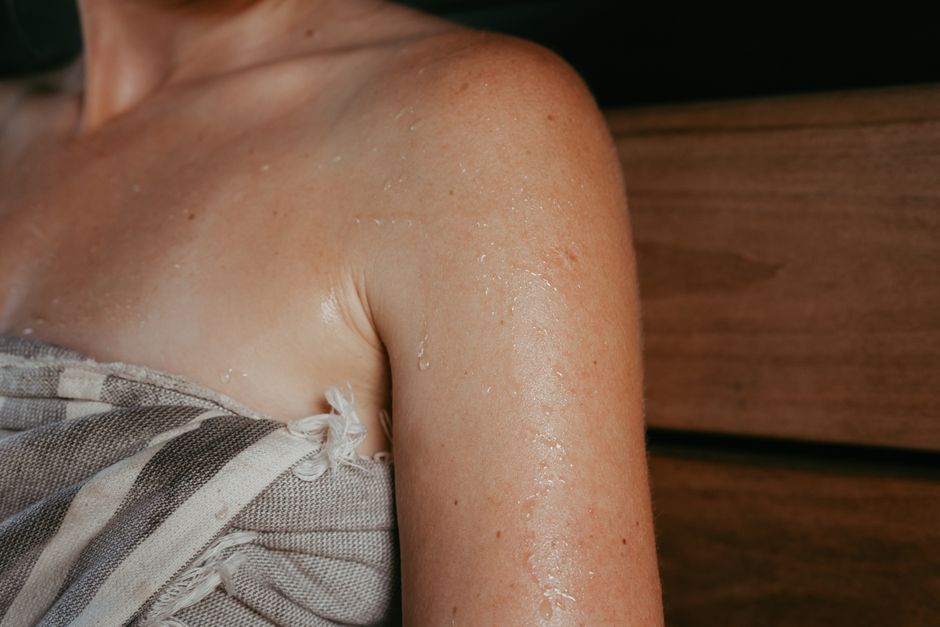
Waking up drenched in sweat when your bedroom is cool is unsettling. Night sweats are not just feeling warm — they are episodes of heavy sweating during sleep that soak through your clothes and sheets. The causes range from simple things like your bedding to serious medical conditions, and the most common causes in adults are not the ones you might expect. Hormone changes, infections, and certain medications are the usual culprits, but the specific reason depends heavily on your age, sex, and medical history.
What Actually Counts as Night Sweats?
Doctors do not use the term casually. Night sweats mean sweating that is severe enough to soak your sleepwear or bedding, even when the room is cool. A little perspiration on a hot summer night is not night sweats. Waking up with damp hair after a heavy blanket in winter is not night sweats either.
The key difference is that night sweats are recurrent and disruptive. They interrupt your sleep and often force you to change clothes. If this happens regularly, it deserves attention. Occasional episodes tied to a warm room or a fever are normal and not a concern.
Night sweats are a symptom, not a disease. That means the goal is to find the underlying cause. For many people, the cause is harmless and treatable. For others, it points to a condition that needs medical care.
Why Do You Have Night Sweats? The Most Common Causes
If you are asking “why do you have night sweats,” start with the most frequent explanations. In adults under 50, hormone changes and infections lead the list. In adults over 50, medication side effects and underlying chronic conditions become more prominent.
The most common causes include:
- Menopause and perimenopause — hormone fluctuations cause hot flashes that often strike at night
- Medication side effects — antidepressants, hormone therapy, and some diabetes drugs can cause sweating
- Infections — tuberculosis is the classic example, but bacterial infections and viral illnesses can also cause them
- Anxiety and stress — the nervous system can trigger sweating during sleep
- Low blood sugar — especially in people taking insulin or certain diabetes medications
- Hyperthyroidism — an overactive thyroid raises body temperature and metabolism
- Cancers — lymphoma and leukemia can present with night sweats, though these are less common causes
For women in their late 40s and 50s, menopause is by far the most likely explanation. For men, infections, medications, and sleep apnea are more common. But anyone can experience night sweats for any of these reasons.
How Hormones Drive Night Sweats
Hormones are the most common driver of night sweats, especially in women. Estrogen plays a central role in temperature regulation. When estrogen levels drop, the brain’s thermostat — the hypothalamus — becomes more sensitive to small changes in core body temperature.
This is why hot flashes and night sweats are so common during perimenopause and menopause. The brain thinks the body is overheating when it is not. It responds by triggering sweating and widening blood vessels near the skin to release heat. The result is a sudden feeling of intense warmth followed by drenching sweat.
Men also experience hormone-related night sweats. Low testosterone can contribute, though this is less well understood. Androgen deprivation therapy for prostate cancer frequently causes hot flashes and night sweats as a side effect.
Thyroid hormone matters too. Hyperthyroidism speeds up metabolism and raises body temperature. People with an overactive thyroid often feel warm all the time and sweat heavily, including at night.


Medications That Cause Night Sweats
Many common medications list night sweats as a side effect. Antidepressants are among the most frequent culprits. Selective serotonin reuptake inhibitors (SSRIs) and serotonin-norepinephrine reuptake inhibitors (SNRIs) can both cause sweating, especially during sleep.
Other medications associated with night sweats include:
- Steroids — prednisone and other corticosteroids
- Hormone therapy — including tamoxifen for breast cancer
- Diabetes medications — insulin and sulfonylureas can cause low blood sugar at night, which triggers sweating
- Blood pressure drugs — some beta-blockers and calcium channel blockers
- Antipyretics — medications that reduce fever can cause rebound sweating as they wear off
If you started a new medication around the same time the night sweats began, that is a strong clue. Do not stop taking a prescribed medication on your own. Talk to your doctor about the side effect. Sometimes a dose adjustment or a switch to a different drug in the same class solves the problem.
Alcohol and caffeine can also trigger night sweats. Alcohol dilates blood vessels and affects temperature regulation. Drinking close to bedtime can cause sweating hours later as your body processes the alcohol.
Infections and Night Sweats
Infections are a classic cause of night sweats. The body raises its temperature to fight off pathogens, and sweating often accompanies fever. Many people experience night sweats during a bad cold, flu, or other viral illness. These episodes resolve when the infection clears.
Tuberculosis deserves special mention because night sweats are a hallmark symptom. TB is less common in the United States than in many other countries, but it still occurs. People with weakened immune systems, recent travel to high-risk areas, or exposure to someone with active TB should consider this possibility.
Other infections associated with night sweats include endocarditis (infection of the heart valves), osteomyelitis (bone infection), and HIV. These are less common but important to rule out if night sweats persist without an obvious cause.
The pattern matters. If night sweats come with fever, weight loss, or fatigue that lasts more than a few weeks, see a doctor. These symptoms together point to an infection or other systemic condition that needs evaluation.
When Night Sweats Signal Something Serious
Most night sweats are not caused by cancer. But certain cancers do present with night sweats, and knowing the warning signs is important. Lymphoma is the cancer most commonly associated with night sweats. Hodgkin lymphoma in particular lists drenching night sweats as one of its classic “B symptoms.”
The B symptoms of lymphoma are:
- Unexplained weight loss
- Fever
- Drenching night sweats
These symptoms together are more concerning than night sweats alone. A person with lymphoma typically has other signs — swollen lymph nodes, persistent fatigue, or itching — not just night sweats.
Other cancers that can cause night sweats include leukemia and carcinoid tumors. Again, these are rare. Night sweats alone are rarely the only symptom of cancer.
See a doctor if night sweats are accompanied by any of these warning signs:
- Unexplained weight loss
- Persistent fever
- Swollen lymph nodes
- Chronic cough
- Fatigue that does not improve with rest
- Night sweats that occur most nights for more than a month
Other Medical Conditions Linked to Night Sweats
Several chronic conditions can cause night sweats beyond the ones already mentioned. Sleep apnea is a common and often overlooked cause. People with sleep apnea stop breathing briefly during sleep, which triggers a stress response. This stress response can cause sweating as the body works to restart breathing.
Gastroesophageal reflux disease (GERD) can trigger night sweats in some people. Acid refluxing into the esophagus can stimulate the vagus nerve, which affects sweating and heart rate. Some people wake up sweating after a reflux episode.
Autoimmune conditions like rheumatoid arthritis and lupus can cause night sweats as part of systemic inflammation. Neurological conditions that affect the autonomic nervous system can also disrupt temperature regulation and cause sweating at night.
Anxiety and stress are underappreciated causes. The same fight-or-flight response that makes you sweat during the day can activate during sleep. People with generalized anxiety disorder or chronic stress often report poor sleep quality and night sweats.
What to Do About Night Sweats
Start with the basics. Look at your sleep environment and daily habits before assuming something is medically wrong.
Try these practical steps first:
- Use breathable bedding made of cotton or moisture-wicking materials
- Keep the bedroom cool — around 65°F (18°C) is a reasonable target
- Use layers of bedding you can remove during the night
- Avoid alcohol, caffeine, and spicy foods in the evening
- Keep a glass of water by the bed to rehydrate
- Practice good sleep hygiene to reduce stress-related sweating
If these measures do not help within a few weeks, or if the night sweats are severe, see a doctor. Primary care physicians are the right starting point. They can order basic blood tests to check thyroid function, blood sugar, and signs of infection.
Keep a symptom diary before your appointment. Note when the night sweats happen, how often, what you ate and drank that day, what medications you took, and any other symptoms. This information helps your doctor narrow down the cause faster.
Frequently Asked Questions
Can stress cause night sweats?
Yes, stress and anxiety can trigger night sweats through the nervous system’s fight-or-flight response. Chronic stress keeps this system active even during sleep, which can cause sweating episodes.
What cancers cause night sweats?
Lymphoma is the cancer most commonly associated with night sweats, along with fever and weight loss. Leukemia and carcinoid tumors can also cause them, but these are rare causes overall.
How long do menopause night sweats last?
Menopause-related night sweats typically last for several years, but the duration varies widely between women. Some women experience them for a few months, while others deal with them for a decade or more.
When should I worry about night sweats?
See a doctor if night sweats are accompanied by unexplained weight loss, persistent fever, or swollen lymph nodes. Also seek medical care if night sweats happen most nights for more than a month without an obvious cause.
