
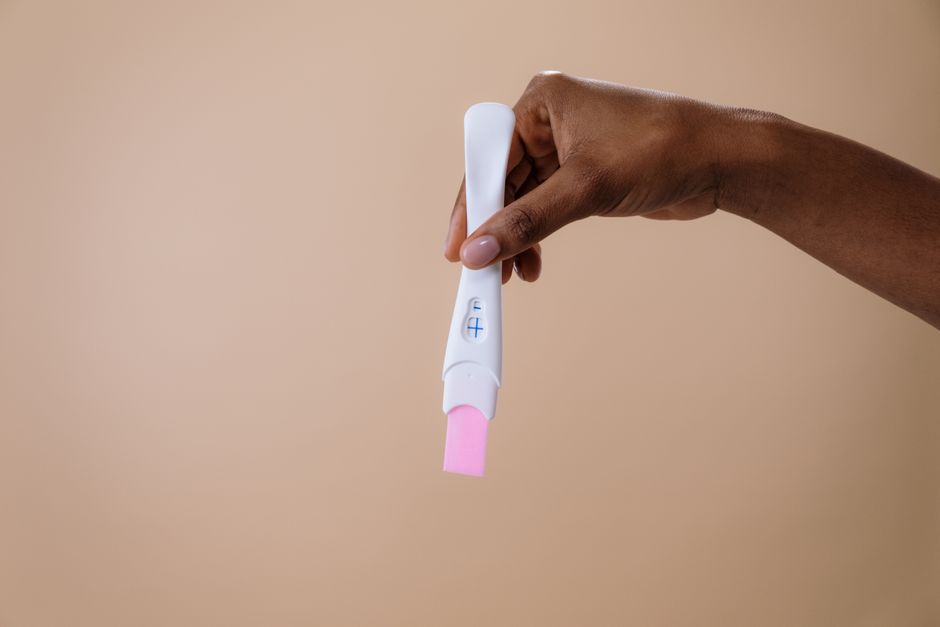
If you think you might be pregnant, the best time to take a home pregnancy test is after your first missed period. Taking the test too early can give you a false negative, which means the test says you are not pregnant when you actually are. For the most reliable result, wait until the first day of your missed period or about 14 days after ovulation.
How Do Home Pregnancy Tests Work?
Home pregnancy tests detect a hormone called human chorionic gonadotropin, or hCG. Your body only starts making this hormone after a fertilized egg attaches to the lining of the uterus. That attachment is called implantation.
Implantation typically happens 6 to 10 days after ovulation. After implantation, hCG levels rise quickly. They usually double every 48 to 72 hours in early pregnancy. The test works by measuring the amount of hCG in your urine.
Every test has a sensitivity threshold. Some tests can detect very small amounts of hCG, while others need more of the hormone to show a positive result. This is why some tests claim they can be used before your missed period.
When Pregnancy Test Should Be Taken: The Timeline
The most accurate time to take a pregnancy test is the first day after your missed period. At this point, most women who are pregnant will have enough hCG in their urine for a test to detect it.
If you have irregular periods, it can be hard to know when your period is actually late. In that case, count from the first day of your last period. If you are more than 35 days past that date and your period has not come, a home pregnancy test should be accurate.
Testing before your missed period can work, but it comes with a higher risk of a false negative. Here is a general timeline:
- 6 to 10 days past ovulation: Implantation may occur. hCG levels are very low.
- 10 to 12 days past ovulation: Some sensitive tests may detect pregnancy. But many women still test negative at this point.
- 14 days past ovulation: This is roughly the first day of your missed period. Most tests will be accurate now.
- 1 week after missed period: Nearly all pregnancy tests will be accurate. hCG levels are high enough for reliable detection.
Testing too early is the most common reason for a false negative result. If you test early and get a negative result, wait three to five days and test again.
What Time of Day Is Best for a Pregnancy Test?
For the most accurate result, take the test first thing in the morning. Your urine is most concentrated when you wake up because you have not been drinking fluids overnight. Concentrated urine has higher levels of hCG.
If you test during the day, try to hold your urine for at least four hours before testing. Avoid drinking large amounts of water before the test. Drinking too much fluid dilutes your urine and can lower the hCG concentration below the test’s detection level.
Some modern tests are sensitive enough to work at any time of day. But morning testing remains the safest choice, especially if you are testing around the time of your missed period.



Can You Test Too Early?
Yes. Testing too early is the single biggest reason for inaccurate results. If you test before implantation has happened, your body has not started producing hCG yet. The test cannot detect a pregnancy that has not chemically started.
Even after implantation, hCG levels start very low. A test taken too early may simply not be sensitive enough to pick up the small amount of hormone in your urine.
A negative result on an early test does not mean you are not pregnant. It only means the test did not detect hCG at that moment. If your period does not arrive, test again in a few days.
What If the Result Is Negative but Your Period Is Late?
A negative test with a late period can be confusing. There are several possible explanations.
First, you may have ovulated later than you thought. Ovulation timing varies from cycle to cycle. If you ovulated late, your period would be late too, and your hCG levels might still be too low for a test to detect.
Second, the test may have been taken incorrectly. Always follow the instructions on the package exactly. Check the expiration date before using the test.
Third, your late period may not be related to pregnancy at all. Stress, illness, changes in weight, thyroid issues, and certain medications can all delay a period. If your period is more than one week late and you still get a negative result, contact your healthcare provider.
How Accurate Are Home Pregnancy Tests?
Home pregnancy tests are highly accurate when used correctly. When taken after a missed period, they are about 99 percent accurate at detecting pregnancy. That means false positives are rare.
A false positive is when the test says you are pregnant but you are not. This can happen with certain medical conditions, some medications, or a chemical pregnancy. A chemical pregnancy is a very early miscarriage that happens before the pregnancy can be seen on an ultrasound.
False negatives are more common than false positives. They usually happen because the test was taken too early or the urine was too diluted. If you get a negative result but still have pregnancy symptoms, wait a few days and test again.
When Should You See a Doctor?
If you get a positive home pregnancy test, you should schedule an appointment with your healthcare provider. They can confirm the pregnancy with a blood test and discuss next steps.
If you are experiencing severe abdominal pain, heavy bleeding, or dizziness along with a positive test, seek medical care right away. These symptoms can be signs of an ectopic pregnancy, which is a medical emergency.
If you have been trying to get pregnant for over a year without success, or over six months if you are 35 or older, talk to your doctor about fertility testing. They can help identify any underlying issues.
Frequently Asked Questions
How many days after unprotected sex can I take a pregnancy test?
You should wait at least 14 days after unprotected sex to take a pregnancy test. Testing before 14 days increases the risk of a false negative because hCG levels may still be too low to detect.
Can I take a pregnancy test 5 days before my period?
Some sensitive tests claim to work 5 days before your period, but the risk of a false negative is high. For the most reliable result, wait until the first day of your missed period.
Is a pregnancy test positive before a missed period?
Yes, a pregnancy test can be positive before your missed period if implantation happened early and hCG levels are high enough. However, many women still get negative results at this stage even if they are pregnant.
How long after a missed period is a pregnancy test accurate?
A pregnancy test is most accurate on the first day of your missed period and becomes even more reliable in the days after. By one week after a missed period, nearly all tests will give an accurate result.
