
Ovulation happens once per cycle, usually about 14 days before your next period starts. For a typical 28-day cycle, that lands around day 14. But cycles vary, and timing matters if you are trying to conceive or avoid pregnancy. The most reliable way to know is to track your body’s signals rather than guessing from a calendar alone.
What Exactly Happens During Ovulation
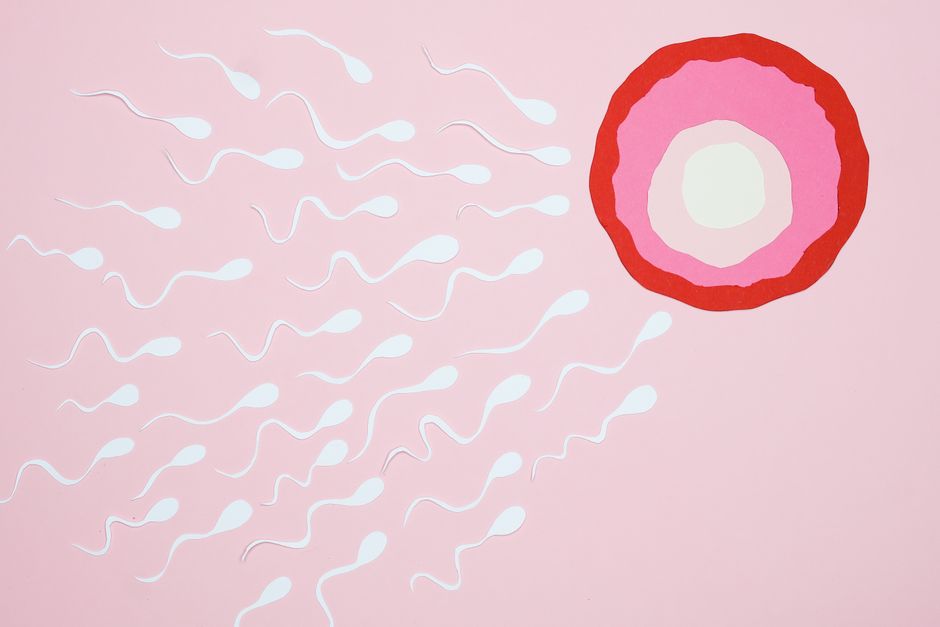
Ovulation is the release of a mature egg from one of your ovaries. The egg travels down the fallopian tube, where it can meet sperm. If fertilization does not happen, the egg dissolves and your uterine lining sheds as your period.
This process is driven by hormones. Luteinizing hormone (LH) surges about 24 to 36 hours before the egg is released. Estrogen rises first, triggering that LH surge. Progesterone then rises after ovulation to prepare the uterine lining.
The egg itself only survives about 12 to 24 hours after release. Sperm, however, can live inside the female reproductive tract for up to five days. That is why your fertile window includes the five days before ovulation and the day of ovulation itself.
When Is Your Ovulation Period Key Signs And Timing
Your ovulation period is the small window each cycle when pregnancy is possible. It includes the days leading up to ovulation and the day the egg is released. For most women, this fertile window lasts about six days total.
The exact day of ovulation depends on your cycle length. Count backward from your expected next period. Ovulation typically occurs 14 days before the start of your next period. If your cycle is 32 days, ovulation usually happens around day 18. If your cycle is 24 days, ovulation usually happens around day 10.
The calendar method is only an estimate. Your actual ovulation day can shift from month to month. Stress, illness, travel, and sleep changes can all delay ovulation. Using only a calendar app is one of the least accurate ways to predict your fertile window.
Key Physical Signs of Ovulation
Your body gives off several signals that ovulation is approaching. Learning to recognize them can help you time intercourse more accurately.
Cervical mucus changes. Around ovulation, cervical mucus becomes clear, stretchy, and slippery — similar to raw egg whites. This consistency helps sperm swim through the cervix. After ovulation, mucus turns thicker and cloudy.
Basal body temperature shift. Your resting temperature drops slightly just before ovulation, then rises about 0.5 to 1 degree Fahrenheit after ovulation. The rise is caused by progesterone. This method confirms ovulation happened, but it does not predict it in advance. By the time your temperature rises, the fertile window is mostly over.
Mittelschmerz. Some women feel a mild twinge or cramp on one side of the lower abdomen around ovulation. This is called mittelschmerz and can last from minutes to a few hours. Not every woman feels it, and it is not a reliable predictor on its own.
Other possible signs. Some women notice breast tenderness, bloating, or a heightened sense of smell around ovulation. These signs vary widely and are not consistent enough to rely on alone.




How to Track Ovulation Accurately
No single method is perfect. Combining methods gives you the best picture of when ovulation is happening.
Ovulation predictor kits (OPKs). These urine tests detect the LH surge that happens 24 to 36 hours before ovulation. A positive result means ovulation will likely occur within the next day or two. For best results, test once or twice daily starting a few days before your expected ovulation date.
Fertility monitors. Some devices track estrogen and LH levels in urine and give you a daily fertility reading. These are more expensive than OPKs but can be helpful for women with irregular cycles.
Cervical mucus tracking. Check your mucus daily and note its consistency. The most fertile days are when it is clear and stretchy. This method is free and requires no equipment.
Temperature charting. Take your temperature at the same time every morning before getting out of bed. Record it daily. A sustained temperature rise over three days confirms ovulation has occurred.
Combining mucus tracking with OPKs gives you both prediction and confirmation. Temperature alone only tells you after the fact.
Common Myths About Ovulation Timing
Myth: You ovulate on day 14 of every cycle. This is only true for women with a perfect 28-day cycle. Most women do not ovulate on day 14 every month. Cycle lengths vary, and ovulation timing shifts accordingly.
Myth: You cannot get pregnant from sex during your period. This is false. Sperm can survive up to five days. If you have a short cycle, you could ovulate soon after your period ends. Sex during your period could result in pregnancy if sperm are still alive when ovulation occurs.
Myth: Ovulation pain means you are ovulating right now. Mittelschmerz can happen before, during, or after the egg is released. It is not a precise timer.
Myth: Apps are accurate enough to prevent pregnancy. Calendar apps rely on averages and cannot account for cycle variation. Studies have found that period-tracking apps often predict ovulation incorrectly. They are not a reliable form of contraception.
Irregular Cycles and Ovulation
Not all women ovulate every month. Irregular cycles make ovulation harder to predict. A cycle that varies by more than seven to nine days from month to month is considered irregular.
Conditions like polycystic ovary syndrome (PCOS), thyroid disorders, and perimenopause can affect ovulation. High stress, significant weight changes, and intense exercise can also delay or stop ovulation.
If your cycles are consistently irregular or you have not had a period for several months, talk to a healthcare provider. They can run blood tests to check hormone levels and determine whether ovulation is occurring.
When to Seek Medical Help
Most couples trying to conceive do not need medical intervention right away. But certain situations warrant earlier evaluation.
If you are under 35 and have been trying to conceive for 12 months without success, see a doctor. If you are over 35, seek help after six months of trying. Women with irregular cycles or known conditions like PCOS should talk to their doctor sooner.
Tracking ovulation at home can help you identify whether you are ovulating. But home tracking cannot diagnose the cause of infertility. If you suspect a problem, a medical evaluation is the appropriate next step.
Frequently Asked Questions
How many days after your period do you ovulate?
It depends on your cycle length. For a 28-day cycle, ovulation typically happens around day 14, which is about 14 days after the first day of your period.
What are the signs that ovulation is over?
Your cervical mucus becomes thick and cloudy, and your basal body temperature stays elevated for more than three days.
Can you ovulate without noticing any symptoms?
Yes. Many women have no noticeable physical signs of ovulation. Tracking methods like OPKs or temperature charting can confirm ovulation even when you feel nothing.
How long does the fertile window last?
The fertile window is about six days: the five days before ovulation plus the day of ovulation itself.
