
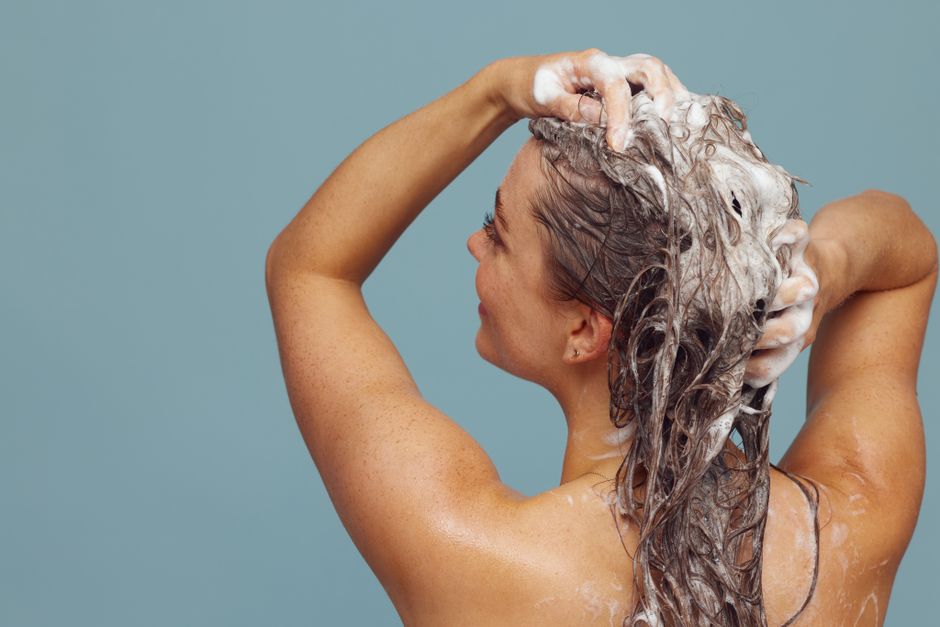
The best time to put oil in your hair depends entirely on your hair type and what you want the oil to do. For deep conditioning, apply oil at least 30 minutes before you shower. For scalp health, apply it 15 to 20 minutes before washing. For shine and frizz control, apply a tiny amount to dry hair after styling. There is no single perfect time that works for everyone. What matters most is matching the timing to your hair’s needs and the type of oil you use.
Does Applying Oil Before or After Washing Make a Difference?
Yes, it makes a big difference. Applying oil before washing is called pre-pooing. The oil coats your hair strands and protects them from the stripping effects of shampoo. This is especially helpful if you have dry or curly hair. Shampoo removes natural oils along with dirt. Adding oil beforehand gives your hair a barrier.
Applying oil after washing is different. Your hair is clean and the cuticles are open from the warm water. Oil applied at this stage seals in moisture. It also smooths the hair shaft, which reduces frizz. The downside is that oil on wet hair can make it look greasy if you use too much. A few drops are enough.
Research shows that oils like coconut oil can penetrate the hair shaft when applied before washing. A 2015 study in the Journal of Cosmetic Science found that coconut oil reduced protein loss in hair when used as a pre-wash treatment. Other oils like mineral oil sit on the surface and do not penetrate. They work better as a post-wash sealant.
What Is the Best Time to Oil Your Scalp?
The best time to oil your scalp is 15 to 30 minutes before you wash your hair. This gives the oil enough time to soften dead skin cells and loosen buildup. It also allows any active ingredients in the oil to absorb into the skin. Leaving scalp oil on for hours or overnight can backfire for many people.
Scalp oiling is not the same as hair oiling. The scalp has pores and produces its own sebum. Adding heavy oil for too long can clog pores. This can lead to itchiness, flakes, or even hair follicle inflammation. Current research suggests that overnight oiling is not necessary and may cause more harm than good for people with oily scalps or dandruff-prone skin.
If you have a dry scalp, a lighter oil like jojoba or grapeseed works well. Apply it, massage gently for two minutes, then wash it out within 30 minutes. If you have dandruff caused by fungus, oils can actually feed the yeast. In that case, skip scalp oiling entirely and use a medicated shampoo instead.
When Is The Best Time To Put Oil In Your Hair for Growth?
There is no strong evidence that any oil directly makes hair grow faster. Hair growth happens at the follicle level under the scalp. Oils applied to the scalp can improve the environment for growth by reducing inflammation and keeping the skin healthy. But they do not speed up the growth cycle itself.
Some oils have shown promise in studies. Rosemary oil, for example, was compared to minoxidil in a 2015 study published in Skinmed. After six months, the rosemary oil group saw similar hair growth results to the minoxidil group. The key detail is that the oil was applied to the scalp daily and massaged in. Timing mattered less than consistency.
For growth purposes, apply oil to your scalp at night and wash it out the next morning if your scalp tolerates it. Or apply it an hour before a shower. The important thing is to keep the oil on the scalp long enough for the compounds to absorb. Rinsing it out after five minutes will not do much. As of 2026, no study has found a specific “growth window” for oil application. Consistency over weeks and months is what matters.




Does Overnight Oil Treatment Actually Work?
Overnight oil treatments can work for very dry or damaged hair. The long contact time allows heavy oils like coconut or castor oil to soften the hair shaft deeply. But this is not necessary for most people. Leaving oil on for 30 minutes to two hours gives nearly the same benefit.
There are real downsides to overnight oiling. Oil can drip onto your pillowcase, which then rubs against your skin and can cause breakouts. If you move around in your sleep, the oil can also pull on your hair and cause breakage. Some people wake up with greasy hair that takes multiple washes to remove. Over-washing then dries the hair out further.
A better approach is to do a deep oil treatment on a weekend afternoon. Apply the oil, wrap your hair in a warm towel or shower cap, and leave it for one to two hours. Then wash it out. You get the penetration benefit without the mess or the risk of skin irritation. If you absolutely want an overnight treatment, protect your pillow with a towel and use a light oil only on your ends, not your scalp.
| Oil Type | Best Use | Recommended Time |
|---|---|---|
| Coconut oil | Deep conditioning before wash | 30 minutes to 2 hours |
| Jojoba oil | Scalp moisturizing | 15 to 30 minutes before wash |
| Argan oil | Post-wash shine and frizz | Apply to damp or dry hair after styling |
| Rosemary oil | Scalp stimulation for growth | Overnight or 1 hour before wash |
| Castor oil | Very dry or damaged ends | 1 to 2 hours, not overnight |
What Type of Oil Should You Use for Your Hair Type?
Your hair type decides which oil works best. Fine hair gets weighed down easily by heavy oils. Use argan oil or grapeseed oil. Apply just one or two drops to your ends after washing. Thick or coarse hair can handle heavier oils like coconut or shea butter. These oils penetrate better and provide lasting moisture.
Curly and coily hair benefits from oils that seal in moisture. The LOC method stands for liquid, oil, cream. You apply water first, then oil to seal it in, then a cream to lock everything. For this method, apply oil to soaking wet hair right after washing. The timing is immediate. Waiting until hair is dry lets moisture evaporate first.
Straight hair needs very little oil. Applying oil to the scalp can make it look greasy within hours. If you have straight hair, use oil only on the ends once or twice a week. Apply it to dry hair after styling for a subtle shine. Avoid putting it anywhere near your roots.
Common Mistakes People Make When Oiling Their Hair
- Using too much oil. More oil does not mean more benefit. Excess oil sits on the surface, attracts dirt, and requires harsh shampooing to remove. Start with a dime-sized amount for short hair and a quarter-sized amount for long hair.
- Applying oil to dirty hair. Oil does not clean your scalp. Putting oil on top of buildup, sweat, and product residue just traps everything in. Always apply oil to clean or freshly detangled hair.
- Leaving oil on too long. Overnight oiling is not better than one to two hours. Longer time increases the risk of clogged pores and irritated skin without adding much benefit.
- Using the wrong oil for your scalp condition. If you have dandruff, heavy oils can worsen it. If you have an oily scalp, adding more oil can trigger more sebum production. Match the oil to your scalp, not just your hair.
- Not washing oil out properly. Shampoo once, rinse, then shampoo again if needed. Residual oil left on the scalp can cause itchiness and buildup over time. Your hair should feel clean, not greasy, after washing.
What Does the Evidence Say About Oil Penetration and Timing?
Oil penetration into the hair shaft depends on the oil’s molecular structure. Coconut oil is a triglyceride of lauric acid, which has a straight molecular chain. This allows it to penetrate the hair cortex. Mineral oil, which is a hydrocarbon, does not penetrate. It sits on the surface. This was confirmed in a 2003 study published in the Journal of Cosmetic Science.
Timing matters for penetration. The same study found that coconut oil reached maximum penetration within one hour. Leaving it on longer did not increase penetration. This means a 30-minute to one-hour treatment is scientifically supported. Overnight treatments are not backed by evidence for deeper penetration.
Heat helps oil penetrate better. Wrapping your hair in a warm towel or using a steamer opens the cuticles slightly. This allows the oil to move deeper. If you do a pre-wash treatment, apply heat for the first 15 minutes. Then let the oil sit for the remaining time. This is more effective than leaving cold oil on for hours.
Frequently Asked Questions About When Is The Best Time To Put Oil In Your Hair
Can I put oil in my hair every day?
Daily oiling is not necessary for most people and can lead to buildup. Two to three times per week is enough for dry hair, and once a week is plenty for normal or oily hair.
Should I put oil on wet or dry hair?
Apply oil to damp hair for sealing in moisture and to dry hair for shine and frizz control. Wet hair absorbs oil better but can look greasy if overdone.
Does oiling hair before shampooing prevent damage?
Yes, pre-shampoo oiling reduces protein loss and protects hair from the stripping effects of shampoo. Coconut oil is the most studied oil for this purpose.
How long should I leave oil in my hair before washing?
Thirty minutes to two hours is enough for most oils. Overnight treatments are not necessary and may cause scalp irritation for some people.
