
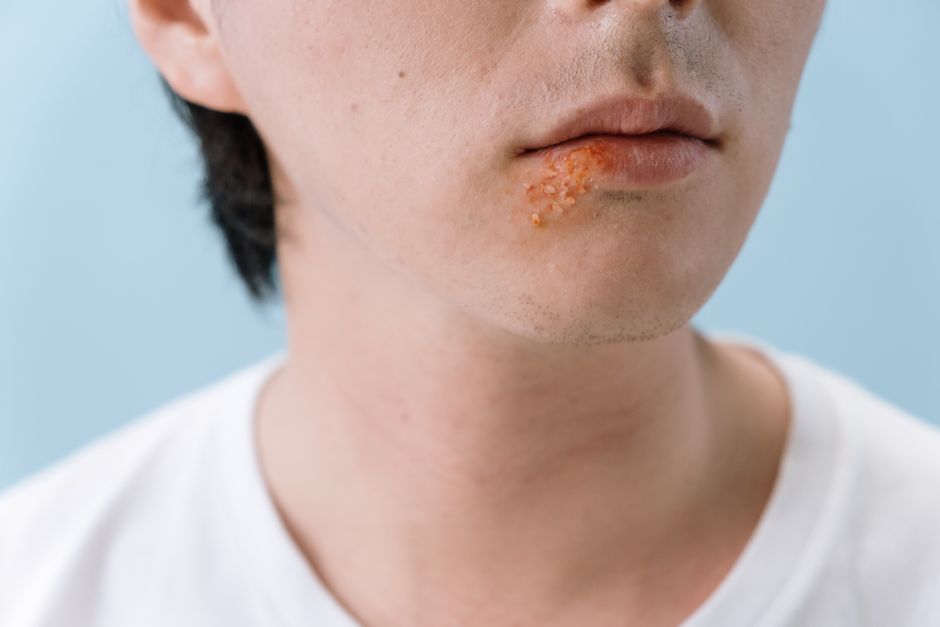
Ringworm stops being contagious once you have either started an effective antifungal treatment or the infection has fully cleared on its own. For most people using a topical cream, that means about 48 hours after the first application. For those taking oral medication, the contagious window typically closes after 72 hours. The key is that the fungus must be dead or dying before you can safely share towels, bedding, or have close skin contact with others.
How Does Ringworm Spread?
Ringworm is not actually a worm. It is a fungal infection of the skin, hair, or nails. The medical name is tinea, and different forms are named for the body part they affect — tinea corporis for the body, tinea capitis for the scalp, and tinea pedis for the feet, which is athlete’s foot.
The fungi that cause ringworm are called dermatophytes. They feed on keratin, the protein that makes up your skin, hair, and nails. These fungi release spores that can survive on surfaces for months. You catch ringworm through direct skin-to-skin contact with an infected person or animal, or by touching contaminated objects — towels, combs, gym mats, shower floors, and even soil.
Not everyone who touches the fungus gets infected. Your skin’s natural defenses, an intact barrier, and a healthy immune system all play a role. But once the fungus takes hold, it grows outward in a circular pattern, which is where the name “ring” comes from.
When Is Ringworm Not Contagious?
Ringworm is not contagious once the fungus is no longer viable on your skin. For topical treatments, this generally happens after 48 hours of consistent application. For oral antifungal medications, it usually takes about 72 hours.
However, there is an important distinction between the fungus being dead and the rash being gone. The visible rash can persist for weeks after the fungus is cleared. The redness, scaling, and itching are partly your immune system’s response to the infection, and that response takes time to settle. A fading rash does not mean you are still contagious. A rash that is still spreading or weeping does mean the infection is active.
You should also avoid sharing personal items until you have completed at least the first few days of treatment. The fungus can live on combs, brushes, hats, and towels even after the infection on your skin is no longer contagious.
How Long Does Ringworm Take to Clear?
Treatment duration depends on the location and severity of the infection. Mild body ringworm usually responds to topical antifungal creams within 2 to 4 weeks. Scalp ringworm, called tinea capitis, requires oral medication and typically takes 4 to 8 weeks to resolve. Nail infections can take several months.
It is important to finish the full course of treatment even if the rash looks better. Stopping early can allow the fungus to rebound. If there is no improvement after 2 weeks of topical treatment, or 4 weeks of oral treatment, you should see a healthcare provider. The infection may be resistant, or the diagnosis may need to be reconsidered.
Some research suggests that adding a topical antifungal to oral treatment for scalp ringworm may speed up recovery and reduce the contagious period. However, oral medication remains the standard of care for scalp infections because topical creams cannot penetrate the hair follicles deeply enough.


Can You Still Spread Ringworm After Treatment Starts?
Yes, in the first 48 to 72 hours. The antifungal needs time to kill the fungus. During that window, the fungus on your skin surface can still transfer to another person or object. After that period, the risk drops significantly, but it does not drop to zero until the fungus is fully cleared.
The risk also depends on the form of ringworm. Athlete’s foot can be contagious as long as you have active scaling between your toes, even if you have been treating it. Scalp ringworm in children is a common source of classroom outbreaks, and many schools require proof of treatment before allowing a child to return.
To be safe, follow these precautions during the first weeks of treatment:
- Do not share towels, washcloths, bedding, or clothing
- Do not share combs, brushes, hats, or hair accessories
- Avoid close skin contact, including contact sports
- Wash your hands after touching the affected area
- Change your socks daily if you have athlete’s foot
These precautions are not just for your family and friends. They also prevent you from reinfecting yourself. The fungus can live on your own hairbrush or towel, and you can catch the same infection again from your own belongings.
What Does the Contagious Rash Look Like?
An active ringworm infection typically appears as a red, scaly, circular patch with a clearer center. The edge is often raised and may have small bumps or blisters. The rash can be itchy, but not always. On the scalp, it may cause patchy hair loss with broken hairs that look like black dots.
As treatment works, the rash changes. The redness fades, the scaling reduces, and the edge becomes less defined. The center may heal first, which is normal. What matters is whether the rash is shrinking or growing. If it is shrinking, the treatment is working. If it is growing, the fungus is still active and you remain contagious.
Some people mistake eczema or psoriasis for ringworm. These conditions are not contagious and require different treatment. If you are unsure about your diagnosis, a healthcare provider can scrape a small sample of skin and examine it under a microscope. This is called a KOH prep and it can confirm the presence of fungus within minutes.
When Can You Return to Work or School?
There is no universal rule that applies to every workplace or school. Many schools and sports programs follow the recommendation that a person with ringworm can return once treatment has started and the lesions are covered. For scalp ringworm, some schools require a doctor’s note confirming that treatment has begun.
For contact sports like wrestling, the rules are stricter. Most athletic organizations require that skin lesions be covered or that the athlete has completed at least 72 hours of oral treatment. Some require a note from a physician clearing the athlete to participate. Check with your specific league or school for their policy.
For adults in office settings, the risk is generally low once treatment has started. You are not sharing towels or having close skin contact. Still, it is courteous to avoid communal gym facilities until the rash is clearly improving.
How to Prevent Spreading Ringworm at Home
Prevention is about breaking the chain of transmission. The fungus spreads through contact, so the goal is to reduce contact with infected skin and contaminated objects.
Wash bedding, towels, and clothing in hot water with detergent. The heat of the washing machine plus detergent is usually enough to kill the fungus. Add a second rinse cycle if you want extra assurance. Dry items on high heat in the dryer.
Clean surfaces that may have touched the infected area. Bathroom floors, shower stalls, and gym mats can harbor spores. A diluted bleach solution or a commercial disinfectant labeled for fungicidal activity works well. Vacuum carpets and upholstery regularly, and dispose of the vacuum bag afterward.
If you have a pet with ringworm, the animal needs treatment too. Pets can carry the fungus without showing obvious symptoms, and they can reinfect you after your own treatment. Have a veterinarian examine any household pets, especially if the infection keeps coming back.
Frequently Asked Questions
Can ringworm spread in the shower after treatment starts?
Yes, in the first 48 hours after starting topical treatment. The fungus can still shed onto shower floors and walls during that window, so wear flip-flops in shared showers and clean the area afterward.
Is ringworm contagious if the rash is no longer itchy?
Not necessarily. Itching often subsides as the infection responds to treatment, but the fungus can still be present. Go by the appearance of the rash and the treatment timeline, not just the absence of itching.
Can you get ringworm from a person who has no symptoms?
Yes. Some people carry the fungus without developing a visible rash, and they can still pass it to others. This is more common with scalp infections in adults and with athlete’s foot.
How do I know if my ringworm is cured?
The rash should be completely flat, smooth, and free of scaling. If you had hair loss, new hair growth is a good sign. A healthcare provider can confirm clearance with a skin scraping or fungal culture if you are unsure.
