

Your immune system does not run at one steady level all day. It rises and falls on a daily rhythm, and the timing of that rhythm matters for how well your body fights infection. The strongest overall immune activity tends to happen during the deep sleep phase of the night, when your body releases surges of infection-fighting cells and certain immune proteins peak. During waking hours, immune activity is generally lower and more spread out, with some measures of immune readiness running higher in the morning and others later in the day.
That answer is real but incomplete. “Immunity” is not a single dial. It is a set of different jobs done by different cells, and those jobs peak at different times. Understanding the rhythm helps you work with your biology instead of against it.
Does the immune system really follow a daily clock?
Yes. The immune system is tied to your body’s circadian rhythm, the internal 24-hour clock that also controls sleep, body temperature, and hormone release. Nearly every type of immune cell carries receptors for the clock, and the timing of when those cells patrol, attack, and stand down shifts across the day.
Researchers have documented this in both animals and humans. The number of certain white blood cells circulating in the blood changes in a predictable daily pattern. So does the level of cytokines, the chemical messengers that coordinate inflammation and immune response. This field is sometimes called circadian immunology, and it has grown substantially over the past two decades.
One clarification worth holding onto: a “stronger” immune system is not automatically better. Inflammation that is too aggressive can damage tissue. The immune system is built to ramp up when needed and pull back when not. The daily rhythm reflects that balance shifting, not a simple volume knob going up and down.
When Is Immunity The Strongest Time Of Day Matters?
For several key measures, the strongest immune activity occurs during deep sleep at night. During slow-wave sleep, the body releases growth hormone and other signals that support the production and redistribution of immune cells. Levels of certain cytokines involved in fighting infection rise. T cells, a core part of immune defense, appear to be more active and better at sticking to their targets during this sleep phase.
This is one reason sleep loss and infection risk are linked. Research published in the journal Sleep found that people who slept fewer than seven hours were substantially more likely to catch a cold after deliberate exposure to a cold virus than those who slept eight hours or more. That study measured susceptibility, not a clock time, but it points to the same underlying biology: the immune boost tied to sleep is not optional.
During the day, the picture is more mixed. Some immune measures are higher in the morning, and others climb later. There is no single clock time when every part of your immune system is at its peak, because the parts do not move together.
Why do some immune cells peak in the morning and others at night?
Different immune cells have different jobs, and the body schedules those jobs around when they are most useful. This is the part most people never hear about, and it explains why “strongest time of day” is not one number on a clock.
Some studies suggest that certain infection-fighting cells are more available in the bloodstream during the rest and sleep phase, positioned to respond to threats encountered during the day. Other measures of immune readiness, including some inflammatory markers, tend to be higher in the early morning. The pattern is not random. It reflects a system that shifts its resources rather than simply switching on and off.
- Night and deep sleep: strong release of immune signaling proteins and redistribution of infection-fighting cells.
- Early morning: some inflammatory markers and certain white blood cell counts run higher.
- Afternoon and evening: patterns vary by cell type, with some immune measures lower than their nighttime peaks.
The practical takeaway is not “be immune at 3 a.m.” It is that the nighttime sleep window does work that daytime cannot fully replace.

Does the time you get vaccinated change your immune response?
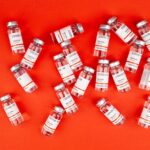
This is an active area of research, and the honest answer is that the evidence is promising but not yet strong enough to change how vaccines are scheduled. Some studies have found that the time of day a vaccine is given can influence the antibody response, with morning vaccination producing higher responses in some trials. Other studies have found no clear effect or effects that differ by vaccine type, age, or sex.
Results vary across studies, and no major health authority currently recommends a specific time of day for vaccination based on this research. If you are getting a vaccine, the most reliable thing you can do is get it, not schedule it around a clock. The timing question is genuinely interesting science. It is not yet a clinical recommendation.
Does sleep timing matter more than the clock itself?
For most people, yes. Your immune rhythm is set largely by your sleep-wake cycle and by light exposure, not by the numbers on a clock. A person who works nights and sleeps consistently during the day will shift their immune rhythm along with their schedule. The rhythm follows the pattern, not the sun.
What disrupts immunity is not the specific hour you sleep. It is inconsistency and short sleep. Research consistently shows that both too little sleep and irregular sleep timing are associated with worse immune outcomes, including higher susceptibility to infection and poorer response to some vaccines.
Some evidence indicates that shift work, which forces the body to operate against its natural clock, is associated with higher rates of certain infections and inflammatory conditions. That association is well documented, though the exact mechanisms are still being worked out.
What actually supports your immune system across the day?
The daily rhythm is real, but you cannot hack it with a well-timed vitamin. The things that genuinely support immune function are the things that keep the underlying clock steady.
- Consistent sleep and wake times. Going to bed and waking at roughly the same time each day anchors the circadian rhythm that immune cells follow.
- Enough sleep. Most adults need seven to nine hours. Short sleep is one of the better-documented immune stressors.
- Morning light exposure. Light in the morning helps set the body clock, which in turn sets immune timing.
- Regular physical activity. Moderate exercise is associated with better immune surveillance, though the effect is modest and not a substitute for sleep.
- Managing chronic stress. Ongoing stress is linked to immune changes, though the size of the effect varies widely between people.
Be cautious with supplements marketed for “immune timing” or “circadian immunity.” No clinical evidence currently confirms that any supplement can shift your immune clock in a way that improves real-world outcomes. The biology is real. The products built on top of it mostly are not.
The bottom line on immune timing
Your immune system is strongest, by several important measures, during deep sleep at night. During the day, activity is lower and split across different cell types that peak at different times. The single most reliable way to support that rhythm is regular, adequate sleep.
Timing matters. But it matters because sleep matters, not because there is a magic hour to chase.
Frequently Asked Questions
What time of day is your immune system strongest?
Several key measures of immune activity peak during deep sleep at night, when infection-fighting cells and certain immune signaling proteins are most active. Daytime immune activity is generally lower and varies by cell type.
Is your immune system weaker at night?
No, the opposite is closer to the truth for several measures. Deep sleep at night is when the body releases immune cells and signaling proteins that support defense against infection.
Does sleep affect immunity more than diet?
Both matter, but sleep has a strong and well-documented link to infection risk, and short sleep has been shown to raise susceptibility to colds. Diet supports immune function over time, but it does not replace the nighttime immune work that sleep drives.
Can I boost my immune system by sleeping at a certain time?
There is no single best bedtime, but consistent sleep and wake times help keep the circadian rhythm that immune cells follow steady. Most adults need seven to nine hours of sleep per night.
