
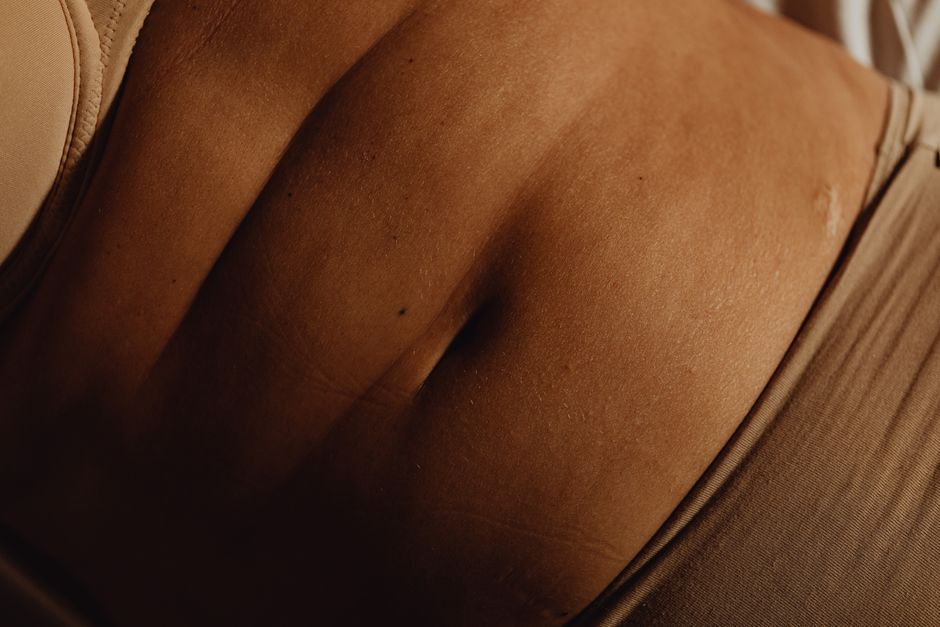
Your belly grows the most during the third trimester, typically slowing down or appearing to stop growing in the final weeks before birth. For most women, the most rapid growth happens between weeks 20 and 36. After week 36, growth often plateaus as the baby drops lower into the pelvis in preparation for labor.
When Does Your Belly Stop Growing In Pregnancy?
Most pregnant women notice their belly stops growing noticeably around week 36 to week 38. This does not mean the baby has stopped growing. It means the visible expansion of your belly has slowed or shifted.
In the last month, the baby gains weight steadily. But the uterus has less room to expand upward because the baby has moved down into your pelvis. This position change is called lightening or dropping. It can make your belly look smaller or lower than it did a few weeks earlier.
Every pregnancy is different. Some women carry high until delivery. Others drop weeks before labor begins. Neither pattern is a reliable sign of when labor will start.
What Causes the Belly to Grow During Pregnancy?
The uterus expands to accommodate the growing baby, amniotic fluid, and placenta. Before pregnancy, the uterus is about the size of a pear. By full term, it extends from the pelvis up to the rib cage.
This growth is not steady. The uterus grows slowly in the first trimester and remains mostly within the pelvis. Most women do not show a visible bump until around week 12 to week 16. The most dramatic growth occurs in the second and third trimesters.
The rate of growth depends on several factors including your starting weight, your height, your muscle tone, and the position of the baby. A woman with strong abdominal muscles may show later than a woman with weaker muscles. This is normal variation, not a sign of a problem.
How Is Belly Growth Measured?
Doctors track fetal growth using a measurement called the fundal height. This is the distance in centimeters from the pubic bone to the top of the uterus. After week 20, the fundal height in centimeters typically matches the number of weeks of pregnancy, give or take 2 centimeters.
For example, at 28 weeks, a fundal height of 26 to 30 centimeters is considered normal. This measurement is a screening tool. It is not a precise measurement of the baby’s size.
Several factors can affect fundal height that have nothing to do with the baby. These include your body mass index, the amount of amniotic fluid, whether you are carrying twins, and the position of the baby.
If your fundal height measures small or large for your dates, your doctor may order an ultrasound. The ultrasound provides a more accurate estimate of the baby’s size and the amount of amniotic fluid.





Does a Smaller or Slower-Growing Belly Mean a Problem?
Not necessarily. Many healthy pregnancies have periods where growth appears to slow. A single measurement that seems off is rarely concerning. Doctors look for a pattern over multiple visits.
Consistent lack of growth over several weeks may prompt additional testing. This testing is done to check for conditions such as fetal growth restriction, low amniotic fluid, or other issues that require monitoring.
It is important to understand that what you see in the mirror is not a reliable measure of your baby’s health. How you carry depends heavily on your body type and the baby’s position. Two women at the same stage of pregnancy can look completely different while both are perfectly healthy.
If you are concerned about your belly size, tell your doctor. They can measure your fundal height and compare it to your own growth curve. Your pattern of growth matters more than how you compare to another pregnant woman.
Why Does My Belly Look Smaller in the Final Weeks?
The baby dropping into the pelvis changes the shape of your belly. Your belly may look lower and smaller near your ribs. This can make it appear that you have stopped growing or even shrunk.
Dropping typically happens a few weeks before your due date if this is your first pregnancy. In later pregnancies, the baby may not drop until labor begins. Both patterns are normal.
Another factor is the amount of amniotic fluid. The fluid level peaks around week 36 and then gradually decreases. Less fluid means less overall volume in the uterus, which can make your belly look smaller.
Your baby also changes position in the final weeks. As the baby tucks its chin and rotates into the optimal position for birth, the uterus may change shape.
What Happens to Your Body in the Third Trimester?
The third trimester brings the most rapid weight gain of the pregnancy. The baby gains most of its birth weight during this time. The brain undergoes rapid development. The lungs mature.
Your belly growth during this period reflects these changes. Between weeks 28 and 36, you may notice your belly expanding noticeably from week to week. This is the period of fastest growth.
After week 36, the pace of visible change usually slows. The baby is still gaining weight, but the physical space constraints of your pelvis and abdomen limit how much your belly can expand outward.
Your own weight gain also slows in the final month for many women. Some women even lose a pound or two as fluid shifts and appetite changes. This is not dangerous as long as the baby continues to grow appropriately.
When Should You Call Your Doctor About Belly Growth?
Contact your healthcare provider if you notice any of the following:
- Your belly does not seem to grow at all over a period of several weeks
- You feel the baby moving less than usual
- You have sudden swelling in your face or hands
- You experience severe abdominal pain
- You have fluid leaking from your vagina
- You notice a sudden decrease in the size of your belly
These symptoms warrant a medical evaluation. They do not automatically mean something is wrong. But they deserve attention.
You should also track your baby’s movements. In the third trimester, you should feel your baby move regularly. If you notice a significant decrease in movement, contact your doctor right away. Fetal movement is a better indicator of fetal well-being than the size of your belly.
Does Belly Size Predict Birth Weight?
No. The size of your belly does not reliably predict the weight of your baby. Some women carry small and deliver babies of average or above-average weight. Others carry large and deliver smaller babies.
Fundal height measurements provide a general sense of whether the baby is growing at an expected rate. But they are not precise. Ultrasound estimates of fetal weight are also imperfect, with a margin of error of about 15 percent.
Your healthcare provider will look at multiple factors to assess fetal growth. These include your weight gain, fundal height trends, ultrasound measurements, and the amount of amniotic fluid. No single factor tells the whole story.
What If Your Belly Keeps Growing Past Week 40?
If you go past your due date, your belly may continue to grow or may stay the same size. The baby continues to gain weight until birth. Amniotic fluid levels may continue to decrease.
Your doctor will monitor you more frequently if you go past 40 weeks. This monitoring checks fetal movement, heart rate, and fluid levels. The goal is to ensure the baby remains healthy until labor begins.
Some women worry that a large belly means a difficult delivery. Research does not support this concern. The position of the baby, the shape of your pelvis, and the strength of your contractions all play significant roles in how labor progresses.
Frequently Asked Questions
Is it normal for your belly to stop growing before birth?
Yes. Most women notice their belly stops growing visibly around week 36 to week 38. The baby has usually dropped into the pelvis by this point, which changes the shape and apparent size of your belly.
Does a small belly mean a small baby?
No. Belly size depends on your body type, the baby’s position, and the amount of amniotic fluid. A small belly does not reliably predict a small baby.
How many weeks does your belly grow the most?
Most women experience the fastest belly growth between weeks 20 and 36 of pregnancy. This is when the baby gains the most weight and the uterus expands most rapidly.
Can your belly shrink in the last month of pregnancy?
Your belly can appear smaller in the final weeks because the baby drops lower into your pelvis and amniotic fluid levels decrease. The baby itself is still growing.
