

If you are a new mom and clumps of hair are suddenly filling your shower drain, you are not alone and you are not imagining it. Postpartum hair loss is a normal biological event that happens to most women after giving birth. It typically starts around three months after delivery, with the peak shedding happening at about four months. This is not actual hair loss in the way you might think. It is a delayed shedding of hair that should have fallen out months earlier during pregnancy.
What exactly causes postpartum hair loss?
The short answer is hormones. During pregnancy, high levels of estrogen keep your hair in a growing phase called anagen. This means far fewer hairs enter the resting and shedding phases than usual. Many women experience thicker, fuller hair during pregnancy because of this estrogen boost.
After you give birth, estrogen levels drop sharply back to normal. Your hair follicles respond by shifting into the shedding phase all at once. This is called telogen effluvium. It is the same temporary hair thinning that can happen after major stress, illness, or rapid weight loss.
Research shows this is not a deficiency or a health problem in most cases. It is a delayed correction. Your body is simply catching up on the shedding it paused during pregnancy. The hair you lose now is hair you would have lost over the previous nine months anyway.
When does postpartum hair loss actually start?
Most women first notice increased shedding around three months after giving birth. There is a good reason for this timing. The hair growth cycle has a built-in delay. After estrogen drops, it takes about two to four months for enough hair follicles to reach the shedding phase at once.
Some women notice it as early as two months. Others do not see significant shedding until five months. Both are within the normal range. The peak of shedding usually happens around four months postpartum. After that, the shedding gradually slows down.
Current research suggests that by six months after delivery, most women return to their pre-pregnancy hair shedding rate. Full regrowth takes longer. You may not see your normal hair density return until your baby is a year old or even older. This timeline varies from woman to woman.
How much hair loss is normal and when should you worry?
It is normal to lose between 50 and 100 hairs a day normally. During postpartum shedding, that number can jump to several hundred hairs a day. You might notice hair on your pillow, in your brush, or all over your clothes. Seeing your scalp more than usual is common.
But there are signs that something else might be going on. If your hair loss continues heavily beyond six months, it is worth mentioning to your doctor. If you have bald patches that are completely smooth and hairless, that is not typical postpartum shedding. That could be alopecia areata or another condition.
Also watch for other symptoms like extreme fatigue, unexplained weight changes, or feeling cold all the time. These could point to a thyroid problem. Thyroid issues are common after pregnancy and can cause hair loss that looks similar to postpartum shedding but does not resolve on its own.
A simple blood test can rule out thyroid problems or nutritional deficiencies. If your hair loss is accompanied by any of these other symptoms, do not assume it is just normal postpartum shedding.



Does anything actually help with postpartum hair loss?
Let me be direct about this. There is no proven treatment that stops postpartum hair loss or speeds up the shedding process. The shedding is a hormonal event that will run its course. No shampoo, supplement, or topical treatment has been shown to change this timeline in strong clinical studies.
That said, there are things you can do to support healthy hair regrowth. Your hair needs adequate protein, iron, and certain vitamins to grow. If you are deficient in any of these, regrowth may be slower. A balanced diet with enough protein is the most evidence-based thing you can do.
Some women benefit from iron supplementation if they are anemic. Iron deficiency is common after childbirth due to blood loss. Low iron can worsen hair shedding and slow regrowth. A simple ferritin blood test can tell you if your iron stores are low.
Biotin and collagen supplements are widely marketed for hair growth. The evidence for them in women who are not deficient is weak. They are unlikely to harm you, but do not expect them to stop postpartum shedding or dramatically speed up regrowth. Save your money unless a deficiency is confirmed.
What about minoxidil or other hair loss treatments?
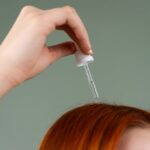
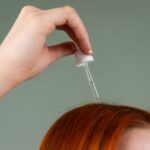
Minoxidil, sold under the brand name Rogaine, is the only FDA-approved over-the-counter treatment for hair loss. It works by stimulating hair follicles and prolonging the growth phase. Some women consider using it during postpartum shedding.
Here is what you need to know. Minoxidil has not been studied specifically for postpartum telogen effluvium. The studies that exist are small and not conclusive. Some dermatologists prescribe it off-label for this purpose, but the evidence base is thin.
There is also a practical concern. Minoxidil can cause increased shedding in the first few weeks of use. For a woman already dealing with heavy postpartum shedding, this can be distressing. It is also a treatment you need to keep using indefinitely to maintain results.
For most women, the best approach is patience. The shedding will stop on its own. If your hair has not returned to normal by 12 to 18 months postpartum, then it may be worth discussing minoxidil or other treatments with a dermatologist. But for the standard case, waiting is the evidence-supported choice.
Common misconceptions about postpartum hair loss
There is a persistent myth that breastfeeding causes hair loss or makes it worse. Research does not support this. Breastfeeding has no direct effect on the timing or severity of postpartum shedding. The hormonal changes that trigger hair loss happen after delivery regardless of how you feed your baby.
Another myth is that cutting your hair short prevents hair loss. It does not. Cutting your hair does not affect the hair follicles under your scalp. What it does do is make the shedding less noticeable because shorter hairs are less visible when they fall out. That is a cosmetic trick, not a treatment.
Some people claim that avoiding washing your hair will prevent shedding. This is also false. The hairs that fall out in the shower are already detached from the follicle. They are just waiting for mechanical action to release them. Skipping washes does not save hair. It just delays when you see the loss.
Finally, there is no evidence that stress reduction techniques stop postpartum hair loss. Stress can trigger telogen effluvium, but the postpartum version is driven by hormone changes, not stress. Managing stress is good for your overall health, but do not expect it to change your hair shedding timeline.
| What helps | What does not help |
|---|---|
| Adequate protein in your diet | Biotin supplements without a deficiency |
| Iron supplementation if you are anemic | Expensive hair growth shampoos |
| Gentle handling of hair to avoid breakage | Avoiding washing your hair |
| Patience while the shedding phase passes | Cutting your hair short |
| Consulting a doctor if shedding lasts beyond 6 months | Stress reduction for stopping shedding |
What can you actually do while waiting for regrowth?
While you cannot stop the shedding, you can make the experience less frustrating. Use a wide-tooth comb instead of a brush. Brush gently and only when necessary. Avoid tight ponytails, buns, or braids that pull on the hair shaft. This reduces breakage of the new hairs trying to grow in.
Consider a shorter haircut or a different style. Many women find that a shorter cut makes the shedding less noticeable. It also reduces the visual impact of thinning areas. This is a cosmetic change, but it can make a real difference in how you feel.
Volumizing shampoos and conditioners can give your hair more body. They do not affect shedding, but they can make your hair look fuller. Root-lifting sprays and dry shampoos can also help with the appearance of volume.
Be gentle with your hair when it is wet. Wet hair is more fragile and prone to breakage. Pat it dry with a towel instead of rubbing. Avoid heat styling when you can. These steps do not prevent shedding, but they protect the hair that is still there and help new growth come in healthy.
Frequently Asked Questions About postpartum hair loss start
Does postpartum hair loss start immediately after giving birth?
No, it usually starts around three months after delivery because of the natural delay in the hair growth cycle after hormone levels drop.
How long does postpartum hair loss typically last?
Most women experience peak shedding around four months and see it taper off by six months, though full regrowth can take up to a year or longer.
Can you prevent postpartum hair loss from happening?
No, postpartum hair loss is a normal hormonal event that cannot be prevented, but you can support healthy regrowth with good nutrition and gentle hair care.
When should I see a doctor for postpartum hair loss?
See a doctor if shedding continues heavily beyond six months, if you have smooth bald patches, or if you have other symptoms like fatigue or weight changes.
