
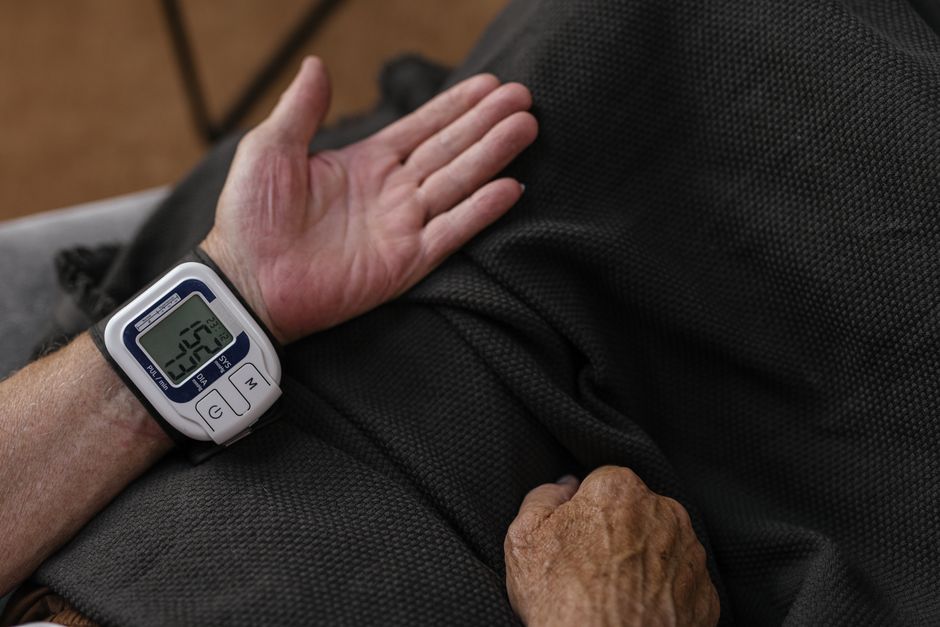
104 over 60 is a normal blood pressure reading. It sits comfortably inside the range most guidelines define as healthy, and for many adults it is a sign of a cardiovascular system working well. That said, “normal” is not the same as “ideal for everyone,” and the number only tells part of the story.
Blood pressure is written as two numbers. The top number, called systolic pressure, is the force against your artery walls when your heart beats. The bottom number, diastolic pressure, is the pressure that remains between beats when your heart rests. A reading of 104/60 means a systolic of 104 and a diastolic of 60.
What Do The Numbers 104 And 60 Actually Mean?
Current guidelines classify a reading below 120/80 as normal. By that standard, 104/60 is well within the healthy zone — it is not low, and it is not high.
The systolic number reflects how forcefully your heart pushes blood out. The diastolic number reflects the resting pressure in your arteries. Both matter, but for adults over 50, systolic pressure tends to carry more weight as a predictor of cardiovascular risk. That is because arteries stiffen with age, which pushes the systolic number up while the diastolic number often falls.
A reading of 104/60 is common in younger adults, people who exercise regularly, and those who are lean. It can also be normal in older adults who take blood pressure medication.
Is A Blood Pressure Reading Of 104 Over 60 Good?
For most adults, yes — 104/60 is a good reading. It falls within the normal range and is associated with lower cardiovascular risk than readings in the elevated or hypertensive range.
But “good” depends on context. A number that is healthy for one person may be a warning sign for another. The reading itself does not exist in a vacuum. What matters is how you feel, what your usual blood pressure runs, and whether anything has changed recently.
If your blood pressure has always hovered around 104/60 and you feel fine, there is generally nothing to worry about. If your blood pressure has dropped to 104/60 from a much higher baseline, or if you feel dizzy, faint, or unusually tired, that change deserves attention.
When Is Low Blood Pressure A Concern?
Low blood pressure, called hypotension, is generally defined as a reading below 90/60. By that definition, 104/60 is not low.
However, some people experience symptoms at readings that fall within the normal range. This happens when the drop is sudden or when the brain and organs are not getting enough blood flow. Symptoms to watch for include:
- Dizziness or lightheadedness, especially when standing up
- Fainting or near-fainting
- Blurred or fading vision
- Fatigue that is unusual for you
- Difficulty concentrating
- Nausea
If you have these symptoms alongside a reading of 104/60, the number alone is not the full picture. Symptoms matter more than the number in many cases.
One clarification worth knowing: a single low reading is rarely meaningful on its own. Blood pressure fluctuates throughout the day. It is typically lower in the morning, after meals, and during rest. It rises with stress, exercise, and caffeine. A doctor usually looks at a pattern over time, not one measurement.

What Causes Blood Pressure To Sit Around 104/60?
Many factors keep blood pressure in this range. Some are lifestyle-related. Others are simply how your body is built.
Regular physical activity is one of the strongest influences. Aerobic exercise strengthens the heart, which means it can pump more blood with less effort, lowering pressure in the arteries. People who exercise consistently often run lower than average.
Body composition plays a role too. Leaner bodies generally require less pressure to circulate blood. Hydration matters as well — dehydration reduces blood volume, which can lower pressure further.
Medications are another common cause. Drugs for high blood pressure, diuretics, some antidepressants, and certain heart medications can all push readings into the 104/60 range. So can pregnancy, particularly in the first and second trimesters, when blood vessels widen.
Some medical conditions are linked to lower readings. These include hormonal issues, heart problems, and nutritional deficiencies. But in most healthy adults, a reading of 104/60 does not point to any underlying disease.
Does 104/60 Mean The Same Thing At Every Age?
No. The meaning of a blood pressure reading shifts with age, and this is one of the most misunderstood parts of blood pressure monitoring.
In younger adults, 104/60 is unremarkable and often a sign of good cardiovascular health. In older adults, the same reading can look different. As arteries stiffen with age, systolic pressure typically rises. A systolic of 104 in a 70-year-old may reflect a heart that is pumping less forcefully than it should, or it may simply be that person’s normal.
Diastolic pressure behaves differently. It tends to rise until around age 50, then gradually fall. A diastolic of 60 in an older adult is common and not usually concerning on its own. But when diastolic pressure drops too low, coronary arteries — which fill with blood mainly during the resting phase — may not get enough flow.
This is why doctors interpret blood pressure alongside age, medical history, and symptoms rather than by the numbers alone.
How Does 104/60 Compare To Other Readings?
The table below shows how 104/60 fits into the standard categories used by most clinical guidelines for adults.
| Category | Systolic (mm Hg) | Diastolic (mm Hg) |
|---|---|---|
| Low (hypotension) | Below 90 | Below 60 |
| Normal | Below 120 | Below 80 |
| Elevated | 120–129 | Below 80 |
| Stage 1 hypertension | 130–139 | 80–89 |
| Stage 2 hypertension | 140 or higher | 90 or higher |
A reading of 104/60 sits in the normal row on both counts. It is closer to the middle of the normal range than to the low end.
Should You Change Anything If Your Reading Is 104/60?
In most cases, no. A normal reading does not call for treatment.
What it does call for is consistency. Blood pressure can drift over months and years without any obvious symptoms. Checking it periodically — at home or at routine medical visits — is how you catch changes early.
If you take blood pressure medication and your readings are consistently around 104/60, that is worth mentioning to your doctor. It may be exactly where they want you. Or it may signal that a dose adjustment is needed. That is a clinical decision, not one to make on your own.
If you are pregnant, readings in this range are common and usually expected. But blood pressure in pregnancy needs monitoring because both high and low readings can matter for you and the baby. Follow your prenatal care plan.
For everyone else, the basics hold. Stay hydrated. Move your body regularly. Eat a diet rich in vegetables, fruits, and whole grains. Limit excess alcohol. These habits support healthy blood pressure at any number.
What If The Reading Comes With Symptoms?
Symptoms change the picture entirely. A reading of 104/60 with no symptoms is usually nothing to act on. The same reading with dizziness, fainting, or chest pain is a different situation.
Fainting, chest pain, shortness of breath, or confusion are reasons to seek medical care promptly. These symptoms can have many causes, and low blood pressure is only one possibility. A doctor can sort out what is actually going on.
Do not try to raise your blood pressure on your own with salt tablets, caffeine, or other remedies. That approach is not supported by evidence and can cause problems.
Frequently Asked Questions
Is 104 over 60 a normal blood pressure?
Yes, 104/60 is considered normal because it falls below the 120/80 threshold used to define healthy blood pressure. It is not classified as low, which generally starts below 90/60.
Can 104 over 60 cause dizziness?
It can in some people, especially if the reading represents a sudden drop from a higher baseline. If dizziness comes with a reading of 104/60, the symptom matters more than the number and should be evaluated.
Is 104 over 60 too low for an older adult?
Not necessarily, but it depends on the person. In older adults, a systolic of 104 may reflect reduced heart pumping strength or may simply be normal, so it should be interpreted with age, symptoms, and medical history in mind.
Should I worry about a blood pressure of 104 over 60 during pregnancy?
Readings in this range are common in pregnancy and often normal, particularly in early trimesters. Blood pressure still needs regular monitoring during pregnancy, so share any readings with your prenatal provider.
