
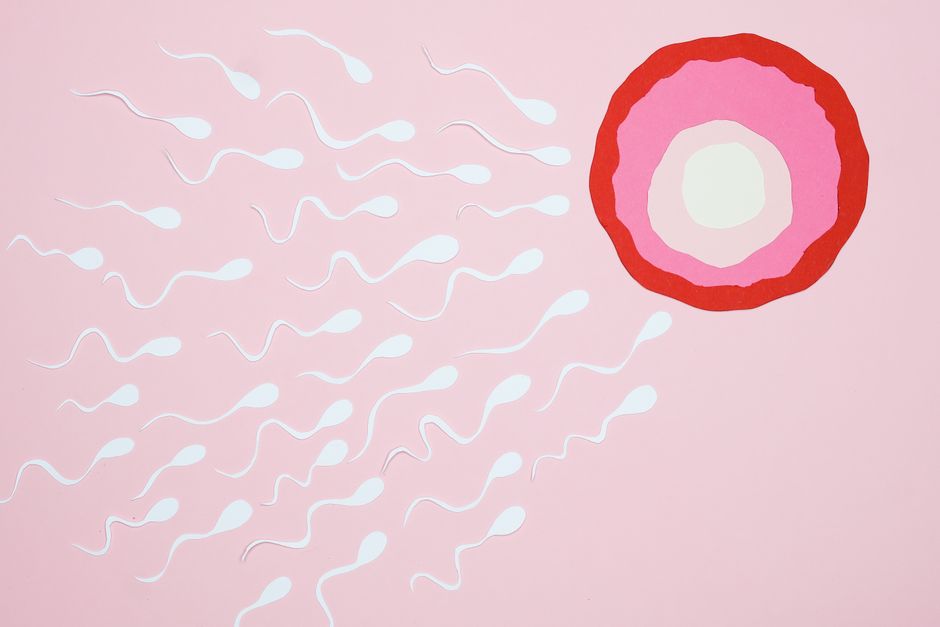
Ovulation happens about 14 days before your next period starts. For most people with a 28-day cycle, that means ovulation occurs around day 14. But cycles vary. Some people ovulate as early as day 10 or as late as day 21. The key is not the day number — it is the timing relative to your next period. That 14-day window before your period is called the luteal phase, and it stays fairly consistent from person to person. If you have a 32-day cycle, you likely ovulate around day 18. If your cycle is 26 days, ovulation is closer to day 12.
What Exactly Happens During Ovulation?
Ovulation is the release of a mature egg from an ovary. The egg travels down the fallopian tube where it can be fertilized by sperm. This process is controlled by hormones. A surge in luteinizing hormone (LH) triggers the release. That surge usually happens 24 to 36 hours before the egg is released.
Once released, the egg lives for about 12 to 24 hours. Sperm can survive inside the female reproductive tract for up to 5 days. This is why the fertile window — the days you can get pregnant — starts about 5 days before ovulation and ends the day after.
Many people feel nothing during ovulation. Some notice mild cramping on one side, called mittelschmerz. Others see changes in cervical mucus. It becomes clear and slippery, like raw egg whites. That is a sign estrogen is rising and ovulation is near.
How Do You Know When You Are Ovulating?
There are several ways to track ovulation. None are perfect, but some are more reliable than others. The most accurate method for home use is tracking your basal body temperature (BBT). You take your temperature every morning before getting out of bed. After ovulation, your temperature rises by about 0.5 to 1 degree Fahrenheit and stays up until your period starts. The rise confirms ovulation happened — it does not predict it.
Ovulation predictor kits (OPKs) are another option. These urine tests detect the LH surge that happens before ovulation. They are reliable for most people. But they can give false positives if you have conditions like polycystic ovary syndrome (PCOS).
Cervical mucus tracking is free and useful. Check the toilet paper or your underwear daily. Sticky or dry mucus means low fertility. Wet, clear, stretchy mucus means high fertility. The last day of this fertile-quality mucus is called peak day. Ovulation usually happens within a day or two after peak day.
Fertility tracking apps are popular but not always accurate. A 2018 study in the Journal of the American Board of Family Medicine found that only 21% of apps correctly predicted the fertile window. Apps that use only calendar dates are the least reliable. Those that let you enter BBT and OPK results are better.
What Affects the Timing of Ovulation?
Stress is one of the biggest factors. High cortisol levels can delay or even stop ovulation. A 2014 study in Human Reproduction found that women with high stress levels were 29% less likely to ovulate in a given cycle compared to those with low stress.
Weight also matters. Being significantly underweight or overweight can disrupt hormone production. Body fat produces estrogen. Too little body fat can mean not enough estrogen to trigger ovulation. Too much body fat can mean excess estrogen, which also interferes.
Thyroid problems can shift ovulation timing. Both hyperthyroidism and hypothyroidism affect the menstrual cycle. The American Thyroid Association reports that even mild thyroid dysfunction can cause irregular ovulation.
Travel across time zones can shift your cycle. Jet lag disrupts your body’s internal clock, which can delay the LH surge by a day or two. The same is true for major sleep changes, like switching from day shift to night shift.
| Factor | How It Affects Ovulation | What You Can Do |
|---|---|---|
| Stress | Can delay or stop ovulation | Prioritize sleep, movement, and downtime |
| Weight extremes | Disrupts hormone balance | Aim for a healthy BMI through balanced eating |
| Thyroid issues | Irregular cycles and ovulation | Get a blood test if you have symptoms |
| Travel or sleep changes | Can shift ovulation by 1-3 days | Allow a few days to adjust before relying on tracking |
| PCOS | Irregular or absent ovulation | Work with a doctor on medication or lifestyle changes |




Can You Ovulate Without Having a Period?
Yes. This happens more often than people realize. It is called anovulatory bleeding. You can have bleeding that looks like a period but is not preceded by ovulation. This is common in teens, people approaching menopause, and those with PCOS. Up to 30% of cycles can be anovulatory in the first year after a person starts menstruating, according to the American College of Obstetricians and Gynecologists.
The reverse is also possible. You can ovulate without having a visible period. This happens when the uterine lining does not build up enough to shed. Breastfeeding is a common cause. Exclusive breastfeeding can suppress ovulation for months. But ovulation usually returns before your first postpartum period. This is why some people get pregnant before they ever see a period after giving birth.
If you have irregular bleeding and are unsure if you are ovulating, a blood test for progesterone on day 21 of your cycle can confirm ovulation. Levels above 3 ng/mL suggest ovulation has occurred.
What Are Common Misconceptions About Ovulation?
One of the most widespread myths is that ovulation always happens on day 14. This is a textbook average, not a rule. Only about 30% of people with regular cycles ovulate right on day 14. Most ovulate somewhere between day 10 and day 21. If you rely on a calendar app that assumes day 14, you could miss your actual fertile window entirely.
Another myth is that you cannot get pregnant from sex during your period. This is false. Sperm can live for 5 days. If you have a short cycle — say 22 days — and have sex on the last day of your period, sperm could still be alive when you ovulate on day 8 or 9. It is not common, but it happens.
Some people believe that ovulation pain means the egg is being released. The pain actually happens when the follicle stretches before rupture. Ovulation occurs about 24 hours after the pain starts. So pain is a useful sign, but not a precise timer.
A third misconception is that you can “run out” of eggs by ovulating every month. Women are born with about 1 to 2 million eggs. By puberty, that number drops to around 300,000 to 400,000. Only about 300 to 400 eggs are ovulated in a lifetime. The rest are lost through a natural process called atresia. Ovulation does not speed up that loss.
How Does Ovulation Change With Age?
Ovulation becomes less predictable as you get older. In your 20s and early 30s, cycles tend to be regular. Ovulation happens most months. By your late 30s, cycles may shorten. Some people ovulate earlier in their cycle than they used to. A 2006 study in Fertility and Sterility found that women aged 40-44 had shorter cycles and ovulated 1-2 days earlier than women in their 20s.
Perimenopause — the transition to menopause — starts in the mid-40s for most people. During this time, ovulation becomes irregular. Some months you ovulate. Some months you do not. This is why fertility declines but pregnancy is still possible. The CDC reports that about half of pregnancies in the U.S. are unintended, and this includes many women over 40 who assume they cannot get pregnant.
After age 45, ovulation becomes rare. Menopause is officially diagnosed after 12 months without a period. At that point, ovulation has stopped completely.
Frequently Asked Questions
Can I ovulate twice in one cycle?
No. You release one egg per cycle. You can release two eggs at the same time, which can lead to fraternal twins, but that is still a single ovulation event.
Does birth control stop ovulation?
Yes. Hormonal birth control methods like the pill, patch, ring, and implant suppress ovulation. The IUD can also prevent ovulation in some people, but its main effect is thickening cervical mucus.
How long does ovulation last each month?
Ovulation itself is a single event lasting about 12 to 24 hours. The fertile window is about 6 days long — 5 days before ovulation plus the day of ovulation.
Can stress delay ovulation by a week or more?
Yes. Significant stress can delay ovulation by several days or even skip it entirely for a cycle. Once stress resolves, ovulation usually returns to normal.
