
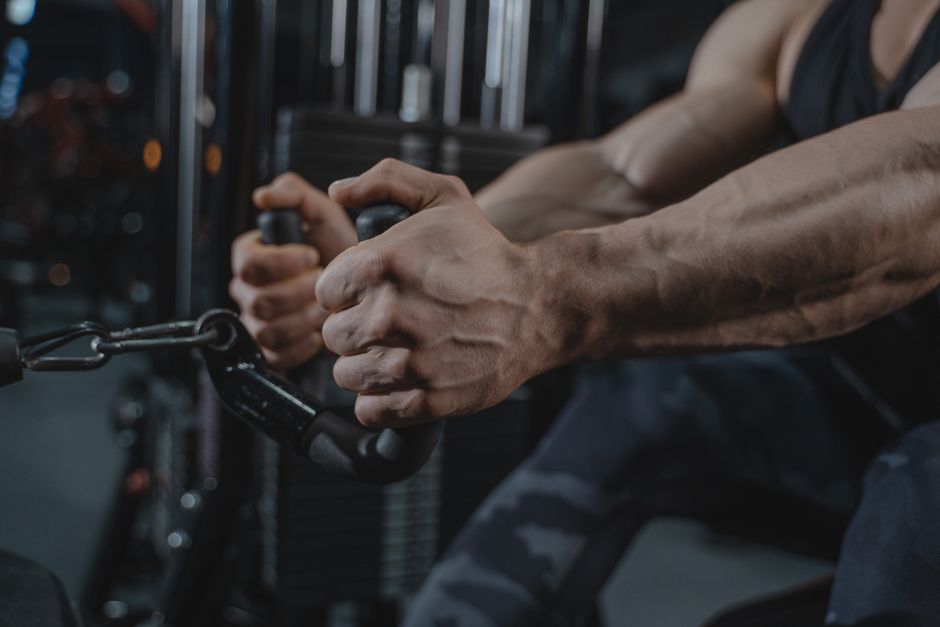
A muscle pull, also called a muscle strain, happens when muscle fibers stretch too far or tear. You will usually feel a sudden sharp pain during activity, followed by soreness, swelling, and limited movement in that area. If the pain came on quickly during a specific movement and hurts more when you use that muscle, a pull is the most likely cause.
What Does a Pulled Muscle Actually Feel Like?
The sensation of a pulled muscle is often described as a sudden, sharp pain or a “pop” at the moment of injury. This is different from the dull ache you feel a day after a hard workout, which is delayed onset muscle soreness.
Right after the pull, you will likely feel tenderness when you touch the area. The muscle may feel tight or stiff, and moving it can be painful. In the hours that follow, swelling and bruising can appear. The severity of these symptoms depends on how many muscle fibers tore.
You might also notice muscle spasms. These are involuntary contractions that happen as your body tries to protect the injured area. Spasms can be uncomfortable but are a normal part of the healing response.
How Do I Know If Ive Pulled A Muscle or Something Else?
This is where careful attention matters. A pulled muscle is common, but other conditions can feel similar. The location of the pain gives you the best clues.
For example, chest pain can be a pulled intercostal muscle, but it can also signal a heart issue. Pain in the calf could be a strain, but it might also be a blood clot. If your pain came on without a clear physical movement that caused it, or if it is accompanied by shortness of breath, dizziness, or pain spreading to other areas, seek medical attention right away.
Muscle pulls are also different from tendon injuries. A tendon connects muscle to bone. While a strain involves the muscle belly itself, tendon issues often cause pain that is more localized to the joint and may feel worse with specific angles of movement.
If you are unsure about the cause of your pain, especially in the chest, back, or leg, a medical evaluation is the safest step. Imaging like an ultrasound or MRI can confirm a muscle tear and rule out other problems.
Muscle Strain Grades: How Bad Is It?
Doctors classify muscle strains into three grades. This system helps describe the severity of the tear and guides treatment expectations.
Grade 1 is a mild stretch. You might feel tightness and some pain, but you retain full strength. There is minimal swelling, and you can usually return to activity within a few weeks.
Grade 2 is a partial tear. You will feel more significant pain, noticeable swelling, and some loss of strength. Bruising may develop over a few days. Recovery typically takes longer, often several weeks to a couple of months.
Grade 3 is a complete tear or rupture of the muscle. This causes severe pain, significant swelling, and a complete loss of muscle function. You may see a visible bulge or gap in the muscle. A Grade 3 strain requires prompt medical care and sometimes surgery.
Knowing the grade matters because treatment and recovery timelines differ. A mild strain responds well to basic home care. A severe one does not.




What to Do Right After the Injury
The first 48 hours after a pull are important for limiting swelling and pain. The standard approach is the RICE method: Rest, Ice, Compression, and Elevation.
Rest the injured muscle. Avoid using it for activities that cause pain. You do not need complete bed rest, but listen to your body.
Apply ice wrapped in a thin cloth for about 15 to 20 minutes every few hours during the first day or two. Ice reduces blood flow to the area, which helps control swelling. Do not apply ice directly to bare skin, as this can cause frostbite.
Compression with an elastic bandage can help limit swelling. Wrap it snugly but not so tight that it cuts off circulation. If the area below the wrap becomes numb or turns pale, loosen it.
Elevate the injured area above heart level whenever possible. Gravity helps drain fluid away from the injury, reducing swelling.
Over-the-counter pain relievers like ibuprofen or acetaminophen can help with discomfort. Ibuprofen also has anti-inflammatory properties. Follow the dosing instructions on the package and check with a pharmacist if you have other health conditions or take other medications.
When Can You Start Moving Again?
Rest is important initially, but too much rest is not helpful. After a day or two of acute care, gentle movement can promote healing. Complete immobilization can lead to stiffness and weakness.
Start with gentle range-of-motion exercises. Move the muscle slowly through its normal motion without forcing it. Pain is a guide here. Mild discomfort during movement is acceptable, but sharp pain means you are pushing too hard.
As pain decreases, gradually add light stretching and then strengthening exercises. The goal is to rebuild the muscle’s tolerance to load. Returning to full activity too soon increases the risk of re-injury, which can turn a minor pull into a chronic problem.
There is no single timeline for recovery. Mild strains can heal in one to three weeks. More severe strains can take six weeks or longer. Progress gradually and let your symptoms guide you.
When to See a Doctor for a Pulled Muscle
Most muscle pulls heal at home without professional treatment. But some situations require medical evaluation.
See a doctor if you cannot bear weight on the injured limb, if the pain is severe and does not improve with rest, or if you notice significant bruising or swelling. A popping sensation at the time of injury, followed by weakness, may indicate a complete tear.
Also seek care if you have no improvement after a few days of home treatment. Persistent pain that does not get better could mean the injury is more serious than a simple strain, or that something else is causing your symptoms.
For back pain, the rules are slightly different. Most back strains improve within a few weeks. However, if back pain radiates down your leg, causes numbness or weakness in your foot, or is accompanied by loss of bowel or bladder control, seek emergency care immediately.
How to Prevent Future Muscle Pulls
You cannot prevent every muscle strain, but you can lower your risk. The most effective strategy is consistent conditioning. Muscles that are regularly strengthened and stretched tolerate more force.
Warm up properly before intense activity. A warm-up increases blood flow to muscles and improves their elasticity. A few minutes of light aerobic activity followed by dynamic stretching is more effective than static stretching a cold muscle.
Stay hydrated. Dehydration can affect muscle function and increase injury risk. Fatigue is another factor. Tired muscles are more prone to injury because they cannot absorb energy as well.
If you are starting a new exercise program, increase intensity and duration gradually. Sudden jumps in workload are a common cause of muscle strains.
Frequently Asked Questions
How long does a pulled muscle take to heal?
Mild strains often heal in one to three weeks, while more severe partial tears can take six weeks or longer. A complete tear may require surgery and several months of recovery.
Should I use heat or ice on a pulled muscle?
Use ice for the first 48 hours after the injury to reduce swelling and pain. After that, heat can help relax tight muscles and promote blood flow during the healing phase.
Can I exercise with a pulled muscle?
You should avoid exercising the injured muscle until pain significantly decreases. Gentle range-of-motion movement is fine, but strenuous activity too soon can worsen the tear.
How can you tell the difference between a pulled muscle and a torn muscle?
A pulled muscle is a stretch or minor tear, while a torn muscle usually refers to a more significant partial or complete rupture. A complete tear causes severe pain, visible deformity, and loss of muscle function, which requires medical attention.
