
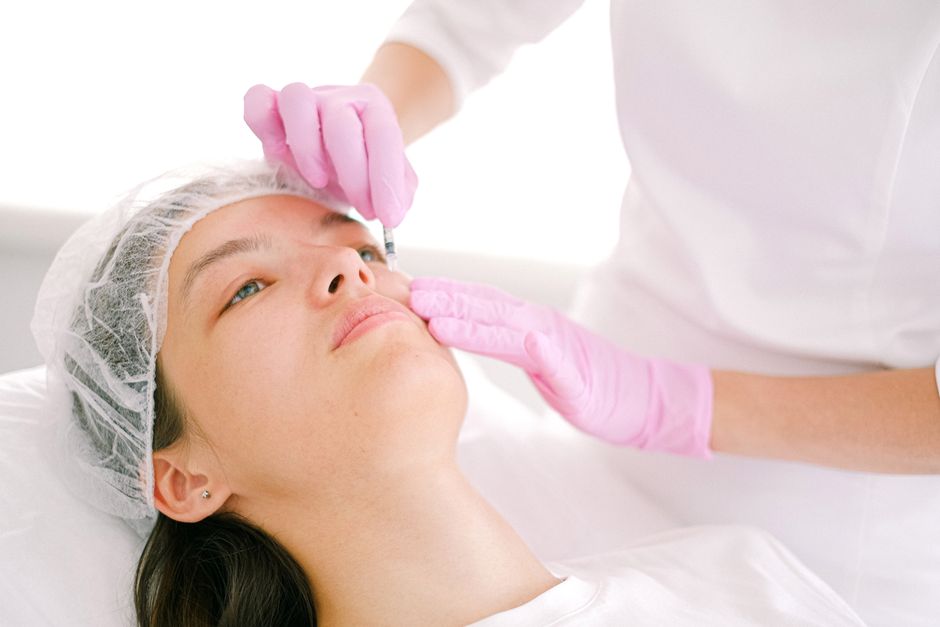
If you have had Botox, you probably want to know when side effects will stop. The answer depends on the type of side effect. Minor bruising and swelling usually go away within a few days. Drooping eyelids or eyebrows can take two to four weeks to fully resolve. Headaches from the injection typically last no longer than 48 hours. Flu-like symptoms may appear and then fade within a day or two. Understanding the timeline by type helps you know what is normal and when to call a doctor.
How Long Do Common Botox Side Effects Last?
The most common side effects after Botox are mild and short-lived. They include pain, swelling, or bruising at the injection site. Most people notice these improve within a few hours to a few days. Redness and tenderness usually settle by the second day. Ice packs can help reduce swelling in the first 24 hours. Some people also develop a mild headache. This type of headache usually resolves within 24 to 48 hours. It is different from a migraine and does not require treatment beyond over-the-counter pain relievers if needed.
Another common side effect is a feeling of weakness in nearby muscles. This is not dangerous but can be unsettling. For example, you might have trouble raising your eyebrows fully. This effect follows the same timeline as the treatment itself. It starts to show improvement after a few days and continues to fade over several weeks. The exact duration depends on the dose and the area treated.
Flu-like symptoms are less common but still reported. These include fatigue, muscle aches, and a mild fever. They typically begin within a day of injection and last for 24 to 48 hours. Some people feel tired for up to a week, but that is not typical. Research has not pinned down why these symptoms occur. One theory is that the body reacts to the protein in the Botox formula. The symptoms usually clear on their own without any specific treatment.
When Does Botox Bruising and Swelling Go Away?
Bruising is the most visible side effect after Botox. It happens when the needle hits a small blood vessel under the skin. The bruise may appear as a purple or blue mark. Most bruises begin to fade within three to five days. They often turn green or yellow before disappearing completely. Full resolution usually takes seven to ten days. People who take blood thinners or have thin skin may bruise more easily. In those cases, bruising can last up to two weeks. However, even large bruises do not signal a problem. They clear on their own without treatment.
Swelling is different from bruising. It is caused by fluid collecting around the injection site. Swelling usually peaks within a few hours of treatment. It starts to go down by the next morning. Most swelling is gone within 48 hours. A small bump at the injection site, called a wheal, may last a day or two. This is not an allergic reaction. It is a normal response to the needle puncture. If swelling persists beyond 72 hours or worsens, contact your provider. That could signal an infection or an allergic reaction.
Some people apply makeup to cover bruising. This is safe if done gently. Avoid pressing on the treated area for at least four hours. Firm pressure can spread the Botox and cause unwanted muscle weakness in nearby areas.
How Long Does a Droopy Eyelid or Eyebrow Last After Botox?
Drooping of the eyelid (ptosis) or eyebrow is one of the more concerning side effects. It happens when Botox spreads from the injection site to nearby muscles that lift the eyelid or brow. The droop usually appears within a few days of treatment. It can last the full duration of the Botox effect, which is generally two to four weeks. In rare cases, it may last up to three months. But that is not typical. Most people see improvement by week three and full recovery by week four.
There is no quick fix for ptosis after it has occurred. The weakness will improve only as the Botox wears off. Your body gradually breaks down the toxin, and the muscle regains function. Some doctors prescribe prescription eye drops that can temporarily lift the eyelid. These drops (apraclonidine) work by contracting a tiny muscle in the eyelid. They are not a cure but can improve appearance until the Botox resolves. The drops are used under medical supervision. They are not available over the counter.
A droopy eyebrow follows a similar timeline. The brow may feel heavy or lower than usual. This can affect your field of vision if it is severe. Like ptosis, it resolves as the Botox wears off. Avoid rubbing the treated area in the first 24 hours after injection. Rubbing can push the toxin into unintended muscles. Also, avoid strenuous activity or lying down flat for the first four hours after treatment. These precautions reduce the risk of migration.
If you develop ptosis, you do not need to panic. It is a known risk and temporary. Inform your doctor, but usually no emergency care is needed. Only if the droop covers the pupil or causes vision problems should you seek immediate medical attention.





How Long Do Headaches After Botox Last?
Headache is a reported side effect of Botox injections. It is not the same as the headaches that Botox is sometimes used to treat. The injection-related headache typically starts within a few hours of the procedure. It is usually mild and feels like tension or pressure across the forehead. Most people find it fades within 24 to 48 hours. Some people report a headache that lasts three to five days, but that is less common. The headache is thought to result from the needle puncture itself or from the mild reaction to the toxin. It does not require treatment in most cases. If the pain is bothersome, acetaminophen or ibuprofen can help. Avoid aspirin because it can increase bruising.
For people who receive Botox for chronic migraine, the side effect profile is different. Those treatments involve multiple injection sites and higher total doses. Headache after therapeutic Botox is still possible, but the overall benefit usually outweighs the temporary discomfort. Research indicates that most people do not get headaches from the injection. But if you do, the timeline remains the same: a day or two.
It is important to distinguish between a side effect headache and a new type of headache that appears weeks after treatment. If you develop a severe headache that is not like your usual pattern, or if the headache persists beyond a week, see your doctor. That could be unrelated to Botox.
What Affects How Long Botox Side Effects Last?
Several factors influence the duration of side effects. The dose is one. Higher doses increase the risk of spreading to nearby muscles, which can prolong drooping or weakness. The injection technique matters too. A skilled injector who places the toxin precisely reduces the chance of migration. The area treated also plays a role. Injections around the eyes have a higher risk of ptosis because the muscles are small and close together. Treating the forehead alone is less likely to cause drooping.
Individual biology determines how quickly your body breaks down Botox. People with faster metabolisms may clear the toxin sooner, which means side effects resolve faster. Age can also matter. Older adults have less muscle mass, which may make the effects of Botox more noticeable. However, no large studies have measured exact differences in side effect duration by age or gender.
Medications and supplements that affect bleeding, such as blood thinners, vitamin E, fish oil, and ibuprofen, can increase bruising. Bruising itself may not last longer, but it can be more visible. Avoiding these substances for a few days before and after treatment can help reduce bruising. Always talk to your doctor before stopping any prescribed medication.
Avoiding pressure on the treated area is another factor. Do not wear hats, headbands, or heavy glasses for at least four hours. Do not receive facials or massages that involve the face for at least 24 hours. These actions can spread the Botox and prolong unwanted effects.
When to Contact Your Doctor About Botox Side Effects
Most side effects are temporary and require no medical care. But some signs warrant a call to your doctor. These include difficulty breathing or swallowing, which are very rare but serious and require emergency attention. Hives, itching, or a rash that appears quickly after injection could signal an allergic reaction. Severe swelling of the face, lips, or tongue also requires immediate care.
For non-emergency concerns, contact your doctor if a droopy eyelid covers part of your pupil or makes it hard to see. Also call if you have double vision or new muscle weakness in an area far from the injection site. These symptoms are uncommon and usually resolve, but your doctor can offer guidance or prescribe eye drops if appropriate. If you develop signs of infection at an injection site — increasing redness, warmth, pain, or pus — see a healthcare provider. Infections are extremely rare with Botox, but they can occur.
If you are worried about a side effect that does not improve within the expected timeline, it is reasonable to call. Sometimes a side effect may require more time. A persistent droop beyond four weeks might need further evaluation. But in most cases, the answer is simply waiting for the Botox to wear off.
Frequently Asked Questions
How long does it take for bruising from Botox to heal?
Most bruising from Botox fades within three to seven days and is gone within ten days. Applying a cold pack right after the injection can help reduce the severity.
Can a droopy eyelid after Botox last longer than a month?
It is possible, but rare. Most drooping resolves within two to four weeks. If it persists beyond four weeks, contact your injector for an evaluation.
Do headaches from Botox happen every time?
No, headaches are not a guaranteed side effect. They occur in a minority of people and usually last less than 48 hours. Using a cold compress and resting can help.
What should I do if Botox side effects get worse instead of better?
Contact your doctor promptly. Worsening symptoms, especially difficulty breathing, swallowing, or vision changes, may require medical attention. Do not wait.
