
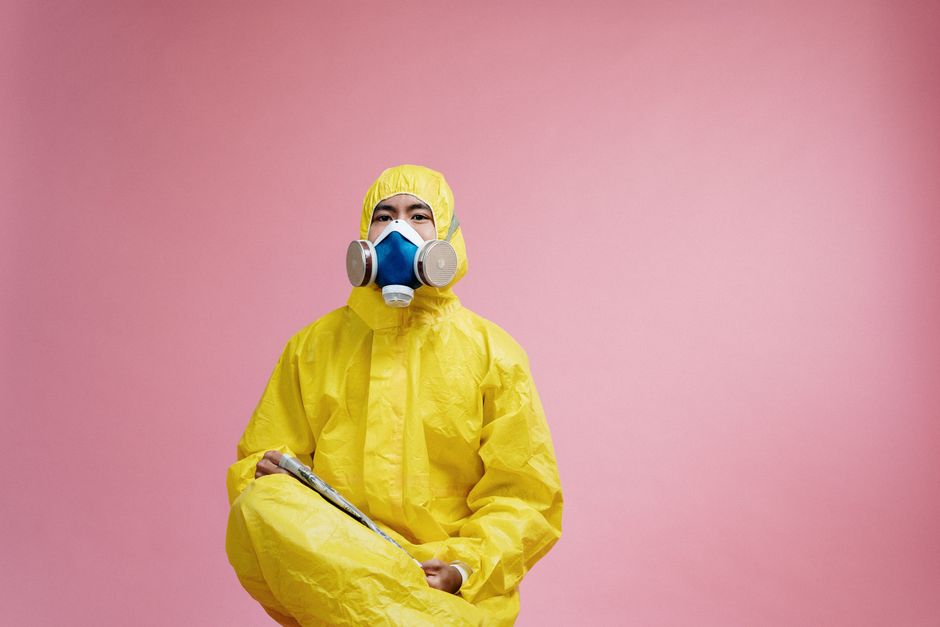
Contamination is the presence of an unwanted substance, organism, or form of energy in a material, object, or environment where it does not belong. This unwanted addition makes the affected item impure, unsafe, or unfit for its intended use. Contamination can be physical, chemical, or biological, and its effects range from spoiled food and corroded equipment to serious human illness and environmental damage.
What Is Contamination Definition Types And Effects?
Contamination happens when something harmful or unwanted gets into a place it should not be. The contaminant is the unwanted substance itself. The contaminated item is whatever the substance has spoiled.
The three main types are physical, chemical, and biological. Physical contamination involves foreign objects like glass, metal, or plastic. Chemical contamination involves harmful substances like pesticides, cleaning agents, or heavy metals. Biological contamination involves living organisms like bacteria, viruses, parasites, or fungi.
The effects depend on the type and amount of contaminant, plus how long the exposure lasts. Some effects appear quickly. Others take years to show up. A single piece of glass in food can cause immediate injury. Low-level chemical exposure over decades might cause cancer.
What Are the Main Types of Contamination?
Physical contamination is the most visible type. It happens when a foreign object enters a product or environment. Common examples include hair in restaurant food, metal shavings in packaged goods, or plastic fragments in drinking water. Physical contaminants cause harm mainly through injury or choking, though some carry additional risks if they contain toxic materials.
Chemical contamination occurs when a harmful substance mixes with something it should not. This includes pesticides on produce, industrial chemicals in groundwater, cleaning products in food, and heavy metals like lead or mercury in soil. Chemical contamination can be acute, causing immediate illness, or chronic, building up in the body over time. Some chemical contaminants are naturally occurring. Others are manufactured by humans.
Biological contamination involves living organisms. Bacteria, viruses, parasites, and fungi can all contaminate food, water, air, and surfaces. Foodborne pathogens like Salmonella, E. coli, and Listeria cause millions of illnesses each year. Biological contamination is often invisible. You cannot see, smell, or taste most harmful microorganisms. This makes it especially dangerous.
A fourth type deserves mention. Radiological contamination occurs when radioactive material is present where it should not be. This can happen through nuclear accidents, improper disposal of medical waste, or industrial incidents. Radiological contamination poses unique risks because it can cause cellular damage and increase cancer risk over time.
How Does Contamination Spread?
Contamination spreads through several pathways. The most common route is direct contact. Raw meat touches a cutting board. The cutting board then touches cooked vegetables. This is called cross-contamination.
Air is another pathway. Dust, mold spores, and chemical vapors travel through ventilation systems. Water carries contaminants through pipes, rivers, and groundwater. Soil absorbs chemicals and pathogens, which then enter crops and animals.
People themselves spread contamination. Unwashed hands transfer bacteria from surfaces to food. Clothing and shoes carry pollutants from one environment to another. Equipment that is not properly cleaned spreads contaminants between batches of product.
The spread often follows a predictable chain. A source releases a contaminant. A pathway carries it. A receptor — a person, animal, or ecosystem — receives it. Breaking any link in this chain prevents contamination from spreading.



What Are the Health Effects of Contamination?
The health effects of contamination range from mild to fatal. Short-term effects include nausea, vomiting, diarrhea, fever, and skin irritation. These often appear within hours or days of exposure. Most people recover without medical treatment, though vulnerable populations face greater risk.
Children, pregnant women, older adults, and people with weakened immune systems are most susceptible. A healthy adult might handle mild food poisoning without issue. The same exposure could hospitalize an infant or an elderly person with chronic illness.
Long-term effects are more serious. Chronic exposure to certain chemical contaminants has been linked to cancer, organ damage, and neurological problems. Lead exposure affects brain development in children. Mercury damages the nervous system. Some pesticides disrupt hormones.
Some biological contaminants cause chronic conditions. Hepatitis A and E. coli infections can lead to long-term liver or kidney damage. Certain parasites can live in the body for years, causing ongoing symptoms.
Mental health also matters. People who experience contamination events often report anxiety, stress, and loss of trust in food or water supplies. The psychological effects can persist long after the physical symptoms resolve.
How Does Contamination Affect Food and Water?
Food contamination is a global health concern. The World Health Organization estimates that unsafe food causes illness in roughly 1 in 10 people worldwide each year. Most cases are mild. Some are severe enough to require hospitalization or cause death.
Food can become contaminated at any stage. It starts on the farm, where soil and water may contain pathogens or chemicals. Processing plants can introduce contaminants through equipment or worker error. Transportation and storage create opportunities for temperature abuse and spoilage. Even home kitchens pose risks through improper handling and undercooking.
Water contamination is equally serious. Contaminated drinking water can carry bacteria, viruses, parasites, and chemical pollutants. In developed countries, municipal water treatment removes most threats. Private wells require regular testing because they are not regulated the same way. Natural disasters and infrastructure failures can also compromise water safety.
The effects of water contamination vary by contaminant. Some cause immediate gastrointestinal illness. Others, like certain industrial chemicals, accumulate in the body over time. Nitrates from agricultural runoff are particularly dangerous for infants, potentially interfering with oxygen transport in the blood.
What Can Be Done to Prevent Contamination?
Prevention starts with understanding the risks. In food handling, the core principles are clean, separate, cook, and chill. Wash hands and surfaces frequently. Keep raw meats separate from ready-to-eat foods. Cook foods to safe internal temperatures. Refrigerate perishable foods promptly.
Water contamination prevention involves protecting source water, maintaining treatment systems, and testing regularly. Home filters can remove many contaminants, though no single filter removes everything. Knowing what is in your water is the first step to choosing the right filter.
In industrial and healthcare settings, contamination control is more structured. Clean rooms, sterilization protocols, and air filtration systems are standard. These measures follow established guidelines and are subject to regular inspection.
Personal protective equipment matters in certain environments. Gloves, masks, and protective clothing prevent both the spread of contaminants and exposure to them. This is especially important in healthcare, agriculture, and industrial work.
Individual actions matter too. Proper handwashing is one of the most effective ways to prevent biological contamination. Storing food correctly reduces spoilage. Reading labels and following safety instructions for household chemicals prevents accidental contamination of food and surfaces.
How Is Contamination Detected and Measured?
Detection methods vary by contaminant type. Physical contaminants are often found through visual inspection or metal detectors. Chemical contaminants require laboratory analysis, typically using methods like chromatography or mass spectrometry. Biological contaminants are detected through culture tests, DNA analysis, or rapid antigen tests.
Food safety agencies set limits for many contaminants. These limits are based on toxicological studies and represent levels considered unlikely to cause harm. When contaminants exceed these limits, products are recalled or rejected.
Some contamination is easy to detect. Mold on bread is visible. A metallic taste in water might indicate chemical contamination. But many contaminants produce no obvious signs. Testing is the only reliable way to know.
Home test kits exist for some contaminants. Water test kits can check for bacteria, lead, and other common pollutants. Food thermometers confirm that meat has reached safe cooking temperatures. These tools help, but they do not replace professional testing for serious concerns.
What Are the Environmental Effects of Contamination?
Environmental contamination damages ecosystems and the services they provide. Soil contamination reduces crop yields and can make land unusable for farming. Water contamination harms fish and other aquatic life. Air contamination affects plants, animals, and human health.
Some contaminants persist in the environment for decades. Persistent organic pollutants like PCBs and DDT remain in soil and water long after their use has been banned. They accumulate in the food chain, with highest concentrations found in top predators.
Plastic pollution is a growing concern. Microplastics have been found in oceans, freshwater systems, soil, and even human bodies. The health effects of microplastics are not yet fully understood, but the ubiquity of the contamination is well documented.
Environmental contamination also has economic costs. Cleanup of contaminated sites is expensive. Lost agricultural productivity affects food supplies and prices. Reduced tourism and recreation opportunities hurt local economies. Health care costs from contamination-related illness add to the burden.
What Is the Difference Between Contamination and Pollution?
The terms are often used interchangeably, but they are not exactly the same. Contamination refers to the presence of an unwanted substance. Pollution specifically refers to contamination that causes harm or damage.
In practice, the distinction matters less than the outcome. A small amount of a harmless substance is contamination but not pollution. A large amount of a toxic substance is both. The key question is whether the presence of the substance causes measurable harm.
Regulatory definitions vary by jurisdiction and context. Environmental law often uses specific criteria for what constitutes pollution. Food safety law uses contamination standards. Understanding which framework applies matters for legal and regulatory purposes.
Frequently Asked Questions
What is the most common type of contamination?
Biological contamination is the most common type affecting human health. Bacteria, viruses, and parasites cause the majority of foodborne and waterborne illnesses worldwide.
Can contaminated food always be detected by smell or taste?
No. Many harmful microorganisms and chemical contaminants produce no detectable smell, taste, or visual change. Reliable detection requires testing, not sensory evaluation.
How long does it take to get sick from contaminated food?
Symptoms typically appear within hours to a few days after exposure. The exact timing depends on the specific pathogen or chemical and the amount consumed.
Is bottled water free from contamination?
Bottled water is generally safe but not guaranteed contaminant-free. It is regulated by the FDA, not the EPA, and testing requirements differ from municipal water systems.
